Post by : Meena Rani
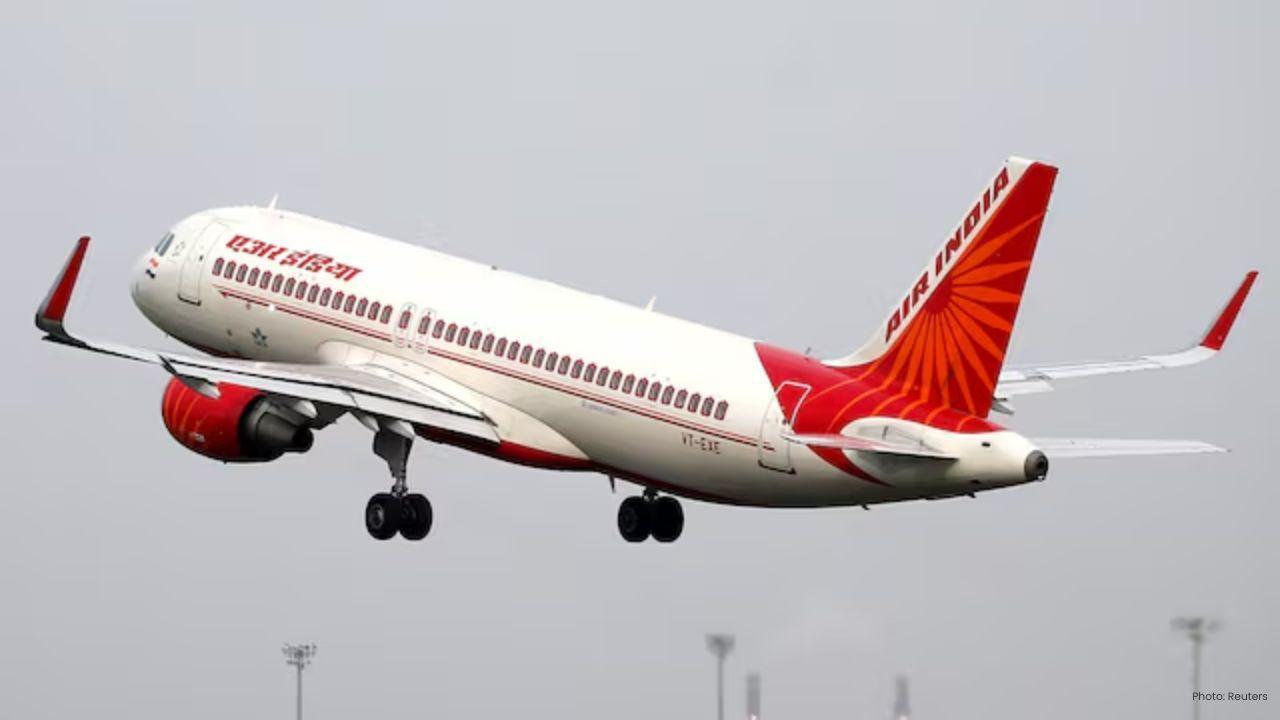
Air India’s CEO Campbell Wilson has addressed growing speculations regarding pilot error following the tragic crash of Flight AI171 on June 12, 2025. The aircraft, a Boeing 787 Dreamliner, went down shortly after taking off from Ahmedabad Airport. The disaster claimed the lives of 241 passengers and crew on board and 19 people on the ground.
The crash has become one of the deadliest in India’s recent aviation history. Authorities immediately launched a full-scale investigation to determine the cause of the accident, focusing on both technical and human factors.
Preliminary Report Raises Questions
The Aircraft Accident Investigation Bureau (AAIB) released a preliminary report earlier this month. Investigators noted that both fuel control switches were in the off position during the last minutes of the flight. This discovery raised concerns about possible pilot error.
CEO Wilson, however, urged caution. In an internal message to Air India staff, he emphasized that the preliminary findings do not provide a complete explanation of the crash. "It is important not to jump to conclusions about the actions of the crew," Wilson wrote. He stated that every possible factor, including technical issues, operational procedures, and environmental conditions, is being carefully examined.
Airline’s Safety Record Under Scrutiny
The incident has drawn attention to Air India’s overall safety record. Aviation authorities in India have issued multiple notices to the airline over the past year, citing lapses in crew duty norms, fatigue management, and training oversight. These show-cause notices highlight the need for stronger adherence to safety protocols.
Wilson responded by acknowledging these challenges while pointing out that the airline is actively improving its systems. He mentioned recent safety measures such as enhanced pilot training, implementation of advanced safety protocols, and modernization of the airline’s fleet. "Safety remains our top priority," Wilson stated.
Response to Pilot Error Speculations
Some media reports and aviation analysts have suggested that pilot error may have played a role in the crash. Wilson addressed these claims, stressing that the investigation is ongoing and no official conclusion has been reached. He noted that attributing the cause to human error alone is premature and may unfairly tarnish the reputation of Air India’s pilots.
"The crew members are highly trained professionals who follow strict operational procedures," Wilson said. He explained that investigations take into account mechanical issues, air traffic control communication, weather conditions, and even rare technical failures before concluding the cause of an accident.
Efforts to Improve Passenger and Crew Safety
Air India has undertaken several measures in recent years to enhance safety. The airline has introduced a more rigorous pilot assessment program, upgraded cockpit technology, and reinforced maintenance procedures for its aircraft. Wilson emphasized that these steps have strengthened the airline’s operational reliability.
Following the AI171 crash, Air India has also increased its focus on mental health and fatigue management for pilots and crew members. The airline has developed programs to ensure that staff are well-rested, alert, and trained to handle emergencies efficiently.
Regulatory Oversight and Cooperation
The Directorate General of Civil Aviation (DGCA) continues to monitor the investigation closely. Air India has pledged full cooperation with authorities and is committed to implementing any recommendations that arise from the final report.
DGCA officials have reiterated that the safety of passengers and crew remains the top priority. They have also confirmed that all airlines operating in India are required to comply with strict safety regulations, including regular maintenance, crew training, and adherence to operational guidelines.
Impact on the Airline and Public Trust
The crash of Flight AI171 has affected public perception of Air India. Passenger confidence in airline safety often dips after such incidents, even when comprehensive safety measures are in place. Wilson acknowledged this concern and stated that Air India is working hard to restore trust.
"Our goal is to ensure that every passenger feels safe when flying with Air India," he said. The airline has also initiated awareness campaigns to highlight its safety standards and training programs, aiming to reassure travelers and aviation partners alike.
Emotional and Human Toll
Beyond statistics and reports, the tragedy has left a deep emotional impact. Families of the victims continue to grieve, while emergency responders, airline staff, and local communities are coping with the aftermath. Psychological support services have been made available for affected families, crew members, and airport personnel.
Wilson expressed heartfelt condolences, saying, "Our thoughts remain with all the families affected. We are doing everything in our power to support them during this difficult time."
Ongoing Investigation and Future Precautions
Investigators continue to gather flight data, cockpit voice recordings, and technical reports to determine the exact cause of the AI171 crash. The final report is expected to provide a complete understanding of the events leading to the tragedy.
In the meantime, Air India has reinforced its commitment to safety by reviewing operational procedures, updating emergency protocols, and ensuring that all crew members are fully trained to manage any unforeseen situations.
The crash of Flight AI171 remains a stark reminder of the risks involved in aviation. While early reports raised concerns about pilot error, CEO Campbell Wilson has emphasized the need for a thorough, fair, and fact-based investigation. Air India continues to cooperate with regulators, strengthen safety measures, and provide support to victims’ families.
The airline hopes that, once the investigation is complete, lessons learned from this tragedy will help prevent similar incidents in the future and restore public confidence in air travel.
Air India, CEO Campbell Wilson, Flight AI171



Advances in Aerospace Technology and Commercial Aviation Recovery
Insights into breakthrough aerospace technologies and commercial aviation’s recovery amid 2025 chall

Defense Modernization and Strategic Spending Trends
Explore key trends in global defense modernization and strategic military spending shaping 2025 secu

Tens of Thousands Protest in Serbia on Anniversary of Deadly Roof Collapse
Tens of thousands in Novi Sad mark a year since a deadly station roof collapse that killed 16, prote

Canada PM Carney Apologizes to Trump Over Controversial Reagan Anti-Tariff Ad
Canadian PM Mark Carney apologized to President Trump over an Ontario anti-tariff ad quoting Reagan,

The ad that stirred a hornets nest, and made Canadian PM Carney say sorry to Trump
Canadian PM Mark Carney apologizes to US President Trump after a tariff-related ad causes diplomatic

Bengaluru-Mumbai Superfast Train Approved After 30-Year Wait
Railways approves new superfast train connecting Bengaluru and Mumbai, ending a 30-year demand, easi




