Post by : Amit
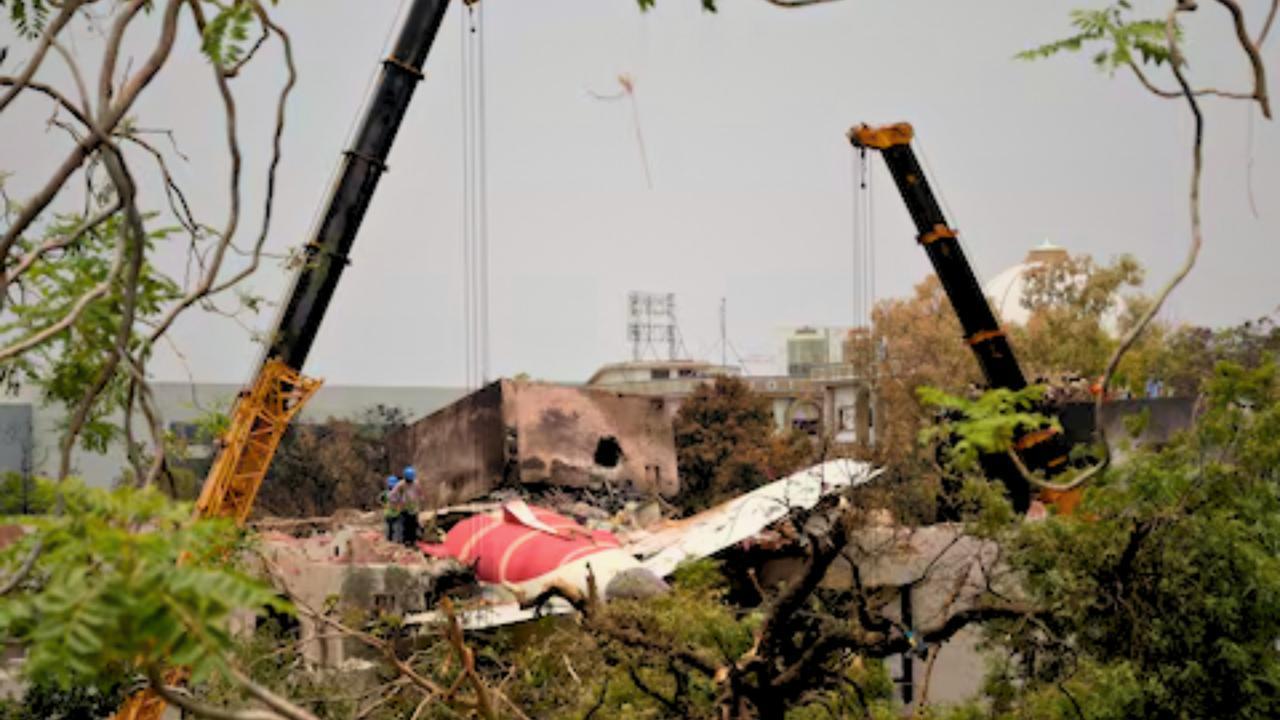
Photo: Reuters
Nearly four years have elapsed since the tragic Air India Express crash at Kozhikode that claimed 21 lives, yet the shadows of grief and unanswered questions persistently haunt the families of the victims—especially those residing in the United Kingdom. In a significant and deeply poignant development, a prominent UK law firm has stepped forward to represent these British families, raising urgent concerns over accountability, systemic safety failures, and the pressing demand for justice. This intervention signals that the pain endured remains raw and unaddressed, as families continue to seek transparent answers, responsibility, and fair compensation.
The disaster occurred on the evening of August 7, 2020, during the global upheaval caused by the COVID-19 pandemic. An Air India Express Boeing 737, operating under the government’s Vande Bharat repatriation mission, was returning stranded Indian citizens from Dubai. The flight approached Kozhikode International Airport—a notoriously challenging “table-top” runway perched atop a hill with minimal safety margins—amid severe monsoon rains. Attempting to land under these perilous conditions, the aircraft overshot the slick runway, plunged down a steep slope, and broke apart. The crash resulted in 21 fatalities and left over 100 passengers severely injured. Among the deceased were several British citizens and long-term UK residents of Indian origin, linking the tragedy across continents.
The crash deeply shook India and reverberated throughout the global aviation community. Outrage and grief quickly gave way to hard questions: Why was the plane allowed to land in such treacherous weather? How did pilot decisions, runway conditions, and regulatory oversight collectively fail? The tragedy laid bare the inherent risks of table-top airports—facilities with almost no room for error due to steep drop-offs beyond runway ends. Safety experts and the public alike demanded thorough investigations and urgent reforms.
For the British families, the aftermath has been an agonizing journey. Beyond coping with profound personal loss, they have faced inconsistent communication from the airline and Indian authorities. Many voiced frustration over a lack of clear updates and comprehensive compensation, feeling sidelined in a process mired by bureaucracy and delays. The cross-border nature of their grief has compounded a sense of abandonment. It is within this void that the UK law firm has taken decisive action.
Specializing in aviation disaster litigation, the legal team is prepared to escalate the case internationally if necessary. Their goals extend beyond financial restitution; they seek public acknowledgment of the lapses that led to the catastrophe, accountability from all responsible parties—including the airline, airport authorities, and regulators—and, most critically, concrete assurances that lessons have been learned to prevent such a tragedy from recurring.
The Kozhikode crash starkly highlights the dangers inherent in operating airports constrained by geography and limited emergency margins. Landing a large passenger aircraft on a rain-soaked, slick runway perched atop a plateau demands utmost precision and stringent safety protocols. Investigations by Indian aviation authorities uncovered a complex mix of pilot error, inadequate training, fatigue, suboptimal airport safety measures, and gaps in regulatory oversight. These findings underscore that the disaster was not the result of a single failure but a systemic breakdown.
Through their legal representatives, the families have raised pressing questions that demand answers: Why was the flight cleared to land despite adverse weather? Were the pilots adequately trained, prepared, and rested to make life-critical decisions under extreme pressure? Were the airport’s safety protocols and infrastructure sufficient to handle emergencies? Perhaps most importantly, have meaningful reforms been implemented since the crash to safeguard future flights at table-top airports like Kozhikode?
The tragedy and its ongoing aftermath also underscore how aviation disasters transcend national borders in our interconnected world. With millions living and traveling internationally, the repercussions ripple far beyond any single country, affecting families and communities across continents. The involvement of British lawyers reflects a growing trend of families seeking recourse through international legal frameworks when local processes appear slow or insufficient. It also highlights the universal imperative of aviation safety: failures anywhere can have tragic consequences everywhere.
Adding another layer of complexity, Air India itself is undergoing a major transformation. Under Tata Group ownership, the airline is investing billions in new aircraft, enhanced services, and digital modernization, aiming to rebuild its global stature. Yet the legacy of past tragedies like Kozhikode remains a somber reminder that modernization must be paired with an unwavering commitment to safety, transparency, and accountability. An airline’s reputation hinges not just on its fleet or cabin experience but critically on how it responds when disaster strikes.
For the British families devastated by the crash, this ongoing legal struggle is deeply personal. It represents a quest not only for fair compensation but also for truth, recognition, and closure. Their fight is a call for systemic reforms and a pledge that no other families should endure similar loss due to preventable errors. Their message is clear: human lives must always take precedence over operational convenience or financial considerations. Safety measures must be more than checkboxes—they must be rigorously enforced on the ground and in the skies.
As this legal battle unfolds, it may well set new precedents in how international aviation disasters involving cross-border victims are addressed—both legally and ethically. It could catalyze stronger global standards, foster enhanced cooperation among regulators, and renew commitments to passenger safety worldwide.
One grieving family member poignantly summarized their ordeal: “We lost everything that night. The least we deserve is the truth.” Their pursuit of that truth continues, as the echoes of Kozhikode resonate across oceans, reminding the global aviation industry of the profound responsibility it bears for every life entrusted to its care.
Air India Crash



Advances in Aerospace Technology and Commercial Aviation Recovery
Insights into breakthrough aerospace technologies and commercial aviation’s recovery amid 2025 chall

Defense Modernization and Strategic Spending Trends
Explore key trends in global defense modernization and strategic military spending shaping 2025 secu

Tens of Thousands Protest in Serbia on Anniversary of Deadly Roof Collapse
Tens of thousands in Novi Sad mark a year since a deadly station roof collapse that killed 16, prote

Canada PM Carney Apologizes to Trump Over Controversial Reagan Anti-Tariff Ad
Canadian PM Mark Carney apologized to President Trump over an Ontario anti-tariff ad quoting Reagan,

The ad that stirred a hornets nest, and made Canadian PM Carney say sorry to Trump
Canadian PM Mark Carney apologizes to US President Trump after a tariff-related ad causes diplomatic

Bengaluru-Mumbai Superfast Train Approved After 30-Year Wait
Railways approves new superfast train connecting Bengaluru and Mumbai, ending a 30-year demand, easi




