Post by : Amit
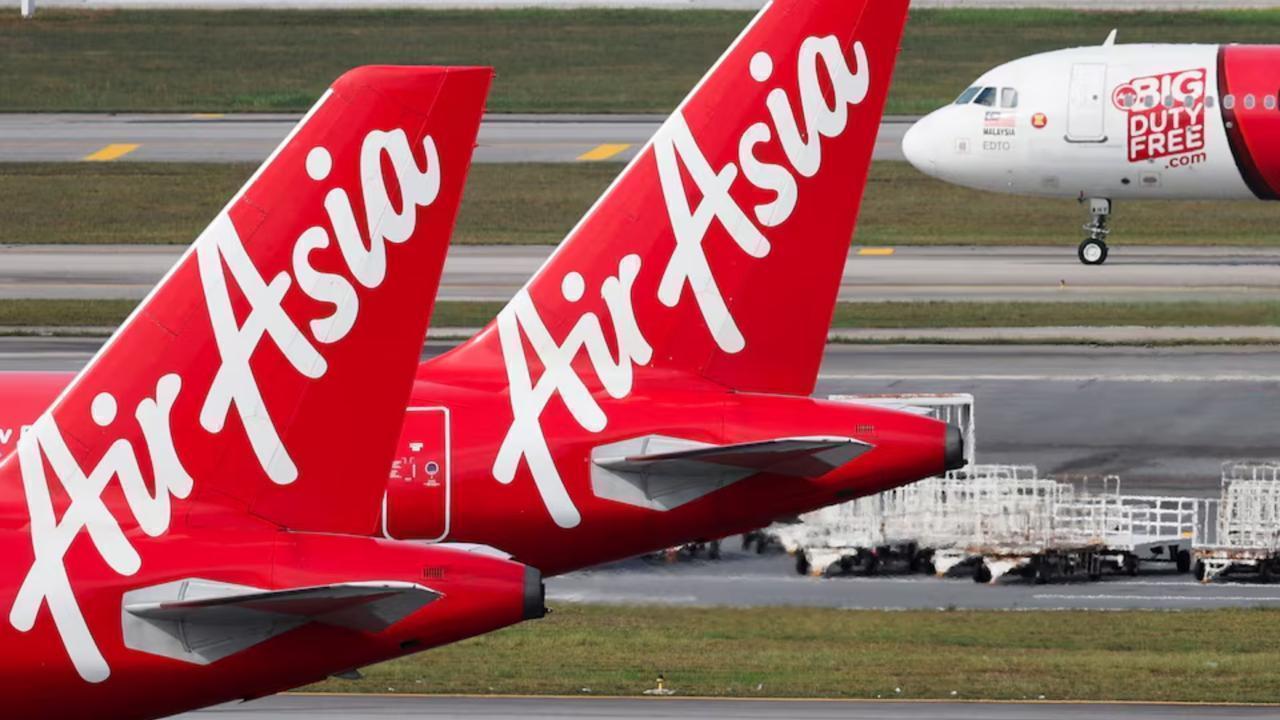
Photo: Reuters
AirAsia Resumes Fleet Expansion with Major Airbus A321XLR Order
In a significant move that signals a fresh chapter of growth after the aviation industry’s prolonged pandemic-induced slump, Malaysian low-cost carrier AirAsia has announced its first major aircraft purchase since the onset of COVID-19. The airline has placed a firm order for 50 Airbus A321XLR jets, a decision that underscores its ambition to reclaim lost ground and chart a new path towards sustained expansion in the long-haul market.
The substantial aircraft order marks AirAsia’s confidence in the steady recovery of air travel demand, particularly in the Asia-Pacific region, which is witnessing one of the fastest rebounds globally. The order is also a strategic step towards modernizing the airline’s fleet, enhancing fuel efficiency, and expanding its network to previously untapped long-distance routes.
A Strategic Focus on Longer-Haul Routes
The A321XLR, short for Extra Long Range, is the latest and most capable member of Airbus' highly successful A320neo family. With an impressive range of up to 4,700 nautical miles (around 8,700 kilometers), the aircraft allows airlines to operate single-aisle planes on longer routes that traditionally required wide-body aircraft.
For AirAsia, this development is nothing short of transformational. The new aircraft will enable the airline to launch direct flights on longer-haul routes—connecting Southeast Asia to Australia, Japan, South Korea, the Middle East, and potentially even destinations beyond. This strategic capability not only opens new revenue streams but also positions AirAsia to challenge established full-service carriers operating on similar routes.
AirAsia Group CEO Tony Fernandes hailed the move as “a game-changing moment” for the airline. He added that the addition of the A321XLRs will empower AirAsia to serve new markets, improve operational flexibility, and strengthen its competitive edge in a post-pandemic aviation landscape.
A Key Milestone in Post-Pandemic Recovery
The global airline industry was among the hardest-hit sectors during the COVID-19 pandemic, with widespread travel restrictions, grounded fleets, and financial uncertainty. AirAsia, which built its success on high-frequency, low-cost short-haul travel, was significantly impacted as international borders closed.
However, with travel restrictions lifted across much of Asia-Pacific and pent-up demand driving a sharp resurgence in passenger numbers, AirAsia's decision to expand its fleet signals renewed optimism. Fernandes noted that the airline is witnessing robust growth in passenger bookings and believes that the time is ripe to invest in capacity expansion.
The introduction of the A321XLR is set to help the airline regain pre-pandemic levels of operation and profitability while positioning it for future growth in both leisure and business travel segments.
Fuel Efficiency and Environmental Sustainability at the Core
A standout feature of the A321XLR is its enhanced fuel efficiency and reduced environmental footprint. The aircraft consumes up to 30% less fuel per seat compared to older-generation jets, which translates into both economic and ecological benefits.
The A321XLR's advanced aerodynamic design, coupled with new-generation Pratt & Whitney engines and lighter materials, ensures that AirAsia can operate more sustainably while reducing operating costs. This aligns with the airline's broader sustainability goals and reflects the growing emphasis within the aviation sector on lowering carbon emissions.
Fernandes highlighted that sustainability will be central to AirAsia’s future strategy, and the A321XLR's eco-friendly credentials make it the right fit for the carrier’s evolving fleet.
Supporting Market Expansion and New Business Opportunities
The new aircraft will enable AirAsia to tap into underserved city pairs, bypass traditional hubs, and offer point-to-point services that are increasingly in demand among modern travelers. By doing so, AirAsia can introduce more direct flights to secondary cities in Australia, India, China, and the Middle East, where travel demand is booming but connectivity remains limited.
This expansion also supports the airline’s broader vision of becoming a key player not only in short-haul but also in medium- to long-haul markets—an ambition that had been temporarily paused due to the pandemic.
AirAsia’s new strategy is also designed to attract business travelers who value direct flights, as well as leisure travelers seeking affordable long-distance options. The added range of the A321XLR provides the airline with the flexibility to adjust capacity and routes according to market demand without the cost burden of larger wide-body aircraft.
Airbus Strengthens Its Foothold in Asia-Pacific
For Airbus, AirAsia’s 50-jet order represents another strong endorsement of its A321XLR program, particularly in the dynamic Asia-Pacific market where demand for efficient, long-range narrow-body jets is growing rapidly.
Christian Scherer, Chief Commercial Officer at Airbus, welcomed the order and said it reaffirmed the industry’s confidence in the A321XLR as the preferred aircraft for airlines looking to balance efficiency, range, and passenger comfort.
The A321XLR has become a popular choice among airlines worldwide due to its unique ability to open new markets while maintaining lower costs—a factor that is especially appealing in the low-cost carrier segment.
Shifting Passenger Preferences in the Post-COVID Era
The pandemic has shifted the way people travel, with greater emphasis on direct, non-stop flights and enhanced hygiene standards. Passengers now prefer fewer layovers, faster journey times, and more seamless connectivity.
The A321XLR fits well into this emerging travel pattern. By enabling airlines like AirAsia to offer direct services over longer distances, it caters to post-pandemic preferences for safer, quicker, and more efficient travel.
Fernandes noted that the demand for point-to-point travel has never been stronger and believes that the A321XLR will allow AirAsia to meet this demand while maintaining its signature affordability.
Laying the Foundation for Sustainable Growth
The addition of the A321XLRs not only signals AirAsia's recovery but also lays the groundwork for its long-term growth strategy. By expanding into new markets and enhancing its fleet with fuel-efficient aircraft, the airline is preparing to face future challenges while capitalizing on opportunities in the fast-growing Asia-Pacific aviation sector.
The move is also likely to support job creation and drive regional economic growth, as expanded air connectivity often leads to increased tourism, business exchanges, and investments.
AirAsia’s commitment to innovation, sustainability, and affordability positions it well to thrive in the competitive aviation market, and the latest aircraft acquisition is a testament to the airline's resilience and forward-looking vision.
Deliveries to Begin in the Near Future
The delivery of the 50 Airbus A321XLR aircraft is expected to commence within the next few years, with the jets being progressively added to AirAsia's existing A320 family fleet. The timeline will enable the airline to gradually scale up its capacity while ensuring operational stability.
As these aircraft enter service, travelers across Asia-Pacific can look forward to new routes, more direct connections, and an enhanced flying experience—all at competitive fares that remain central to AirAsia’s brand identity.
A Bold Step Towards a New Era
AirAsia’s bold decision to order 50 Airbus A321XLR aircraft marks not only the airline's first major post-pandemic investment but also a strategic pivot towards broader market coverage and operational efficiency.
With aviation poised for a steady rebound, the move reflects AirAsia’s unwavering belief in the power of affordable air travel and its determination to play a leading role in shaping the future of mobility across the region. As the world takes to the skies again, AirAsia appears ready to soar higher than ever.
AirAsia, global airline industry



Advances in Aerospace Technology and Commercial Aviation Recovery
Insights into breakthrough aerospace technologies and commercial aviation’s recovery amid 2025 chall

Defense Modernization and Strategic Spending Trends
Explore key trends in global defense modernization and strategic military spending shaping 2025 secu

Tens of Thousands Protest in Serbia on Anniversary of Deadly Roof Collapse
Tens of thousands in Novi Sad mark a year since a deadly station roof collapse that killed 16, prote

Canada PM Carney Apologizes to Trump Over Controversial Reagan Anti-Tariff Ad
Canadian PM Mark Carney apologized to President Trump over an Ontario anti-tariff ad quoting Reagan,

The ad that stirred a hornets nest, and made Canadian PM Carney say sorry to Trump
Canadian PM Mark Carney apologizes to US President Trump after a tariff-related ad causes diplomatic

Bengaluru-Mumbai Superfast Train Approved After 30-Year Wait
Railways approves new superfast train connecting Bengaluru and Mumbai, ending a 30-year demand, easi




