Post by : Amit
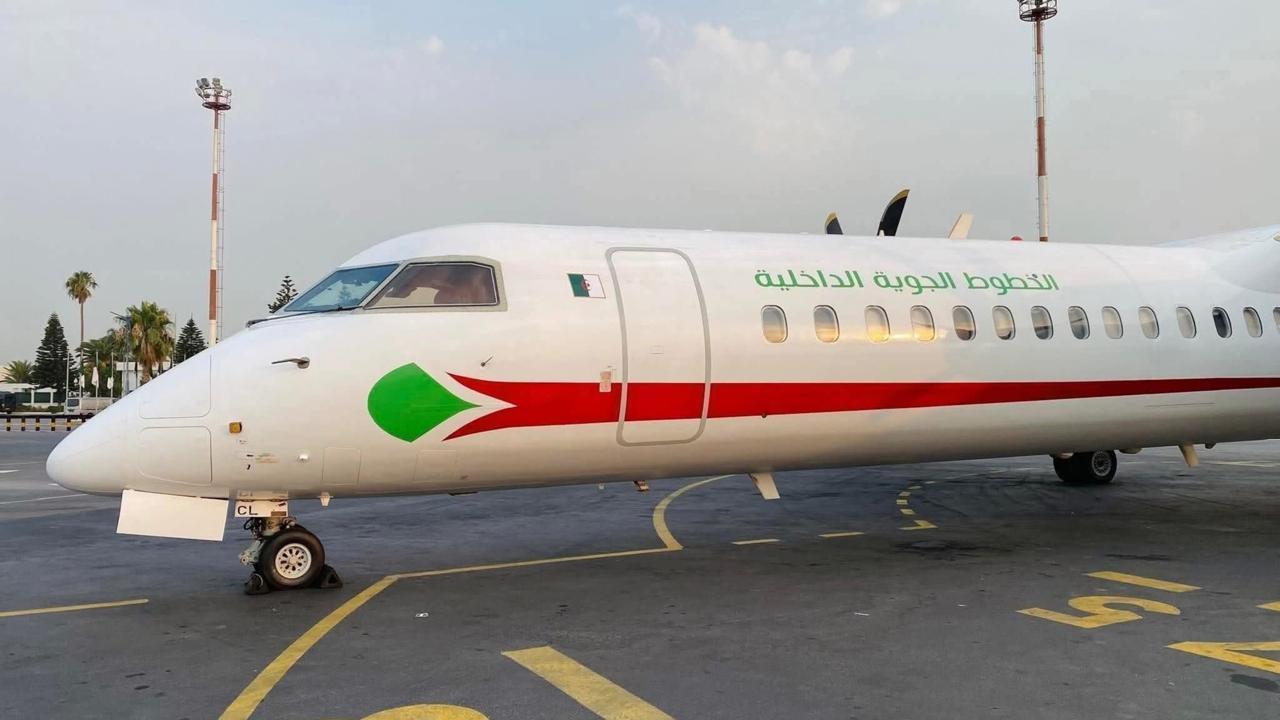
Photo : X / Algeria Project
Algeria Welcomes a New Domestic Airline
Algeria’s aviation landscape entered a new chapter this week as the country’s latest domestic airline officially began operations. The development marks a significant milestone for the North African nation, which has long sought to expand air connectivity across its vast territory and provide travelers with alternatives to the state-backed flag carrier, Air Algérie.
The launch comes at a time when global and regional carriers are intensifying efforts to rebuild networks after the pandemic, while governments across Africa are recognizing the strategic importance of aviation in connecting remote regions, boosting tourism, and facilitating economic growth.
Aiming to Reshape Algeria’s Aviation Market
The new entrant in Algeria’s aviation market is expected to provide much-needed competition on domestic routes, which have historically been dominated by Air Algérie and a handful of smaller operators. Analysts suggest that the timing is favorable, given Algeria’s renewed economic push and rising demand for domestic air travel from both business and leisure passengers.
The airline’s stated mission is to prioritize affordability and reliability, two areas where passengers have often voiced concerns with existing services. Early promotional campaigns have promised competitive fares and a renewed focus on customer service.
Expanding Connectivity Across a Vast Nation
Algeria is Africa’s largest country by land area, stretching from the Mediterranean coastline to the vast Sahara desert in the south. Many cities and regions remain underserved by road and rail links, making domestic aviation a critical enabler of connectivity.
The new domestic airline plans to operate on key routes linking Algiers with regional hubs such as Oran, Constantine, and Tamanrasset, as well as smaller towns that have struggled with limited or irregular air service. Industry observers note that success in these secondary markets will be essential to the carrier’s long-term sustainability.
Boosting Tourism and Regional Economies
Tourism is a central part of Algeria’s long-term economic diversification strategy, and enhanced air services are expected to play a major role in drawing international visitors deeper into the country.
While Algeria is not yet as globally recognized as Morocco or Tunisia in the tourism sector, the nation offers a rich blend of Mediterranean beaches, ancient Roman ruins, and Saharan landscapes. By providing more reliable access to regional airports, the new airline hopes to position itself as a key partner in the tourism value chain.
Local economies also stand to benefit. Faster, more reliable connections are likely to increase trade, attract investment, and improve mobility for Algeria’s workforce.
Operational Challenges on the Horizon
While optimism surrounds the airline’s debut, challenges remain. Running a domestic airline in Algeria requires navigating logistical hurdles, regulatory frameworks, and competition from Air Algérie, which still maintains significant government backing and market presence.
Fuel prices, aircraft maintenance, and currency fluctuations add further complexities to operating in an emerging aviation market. Experts stress that careful financial planning, fleet optimization, and strategic route development will be critical for the newcomer’s survival and growth.
Competition and Market Dynamics
The Algerian government has been gradually liberalizing its aviation sector, but Air Algérie remains a powerful force with entrenched infrastructure, experienced staff, and loyalty among certain segments of the traveling public.
That said, customer dissatisfaction with delays and limited route options has created an opening for new players. The fresh airline’s management believes that by focusing on punctuality, transparency in ticket pricing, and maintaining a lean cost structure, it can carve out a loyal passenger base.
If successful, this could mark a turning point in Algeria’s aviation market, encouraging further private investment and possibly paving the way for new partnerships with international carriers.
Fleet Strategy and Maintenance Backbone
The airline is expected to start operations with a small fleet of narrowbody aircraft, suitable for short- and medium-haul domestic operations. Reports suggest that the carrier may later consider adding turboprop planes to serve smaller airports with shorter runways.
Maintaining the fleet to international safety standards will be paramount. To that end, the airline is reportedly seeking partnerships with established maintenance providers and exploring local MRO (maintenance, repair, and overhaul) options to keep costs manageable while ensuring reliability.
Passenger Expectations and Early Reception
Algerian travelers have greeted the news with cautious optimism. Many hope that increased competition will lead to better services, fewer delays, and more choices in flight schedules.
Initial ticket sales reportedly showed strong demand, particularly for routes during peak holiday travel periods. Whether the airline can sustain this momentum in quieter months will be an important test of its resilience.
Social media reactions have highlighted a mix of excitement and skepticism, with some praising the new development and others questioning whether it can overcome the systemic challenges of Algeria’s aviation sector.
The Broader Regional Context
Algeria’s aviation ambitions must also be viewed within the broader African and Mediterranean context. Across Africa, airlines are battling to establish dominance in domestic and regional markets, while pan-African initiatives such as the Single African Air Transport Market (SAATM) seek to liberalize air travel across the continent.
If Algeria’s new carrier proves successful, it could inspire similar ventures elsewhere in North Africa and strengthen the nation’s positioning as a hub between Europe, the Middle East, and sub-Saharan Africa.
Government Backing and Policy Role
The Algerian government has consistently emphasized its commitment to strengthening aviation infrastructure, from modernizing airports to supporting new carriers. Officials have framed aviation not just as a transport service but as a strategic pillar for national growth and connectivity.
Regulatory support, fair competition policies, and investment incentives will be vital if the new domestic operator is to survive alongside the heavyweight presence of Air Algérie.
Prospects for Growth
As Algeria’s newest domestic airline begins its journey, the future is filled with both promise and uncertainty. If it can deliver on its pledges of reliability, affordability, and customer-first service, the airline may establish itself as a credible alternative to existing players.
Much will depend on execution, from managing costs and building operational efficiency to cultivating trust among travelers. Should it succeed, the launch could represent a broader transformation of Algeria’s aviation landscape, setting the stage for more competition, innovation, and international partnerships.
The debut of Algeria’s new domestic carrier is more than a business story—it represents a symbolic leap in the nation’s push toward modernization, connectivity, and global relevance. For a country blessed with vast resources, cultural treasures, and geographical diversity, better aviation links are not just a convenience but a necessity.
As passengers board the airline’s first flights, they carry with them the hopes of an aviation market ready for change. Time will tell whether this bold step translates into lasting impact, but for now, the takeoff signals a new horizon in Algeria’s aviation journey.
domestic airline, aviation market, Algeria



Advances in Aerospace Technology and Commercial Aviation Recovery
Insights into breakthrough aerospace technologies and commercial aviation’s recovery amid 2025 chall

Defense Modernization and Strategic Spending Trends
Explore key trends in global defense modernization and strategic military spending shaping 2025 secu

Tens of Thousands Protest in Serbia on Anniversary of Deadly Roof Collapse
Tens of thousands in Novi Sad mark a year since a deadly station roof collapse that killed 16, prote

Canada PM Carney Apologizes to Trump Over Controversial Reagan Anti-Tariff Ad
Canadian PM Mark Carney apologized to President Trump over an Ontario anti-tariff ad quoting Reagan,

The ad that stirred a hornets nest, and made Canadian PM Carney say sorry to Trump
Canadian PM Mark Carney apologizes to US President Trump after a tariff-related ad causes diplomatic

Bengaluru-Mumbai Superfast Train Approved After 30-Year Wait
Railways approves new superfast train connecting Bengaluru and Mumbai, ending a 30-year demand, easi




