Post by : Amit
Photo : X / Doudou_TrainDoctor
Amtrak to Launch New High-Speed Train Fleet on August 28, Transforming Northeast Corridor Travel
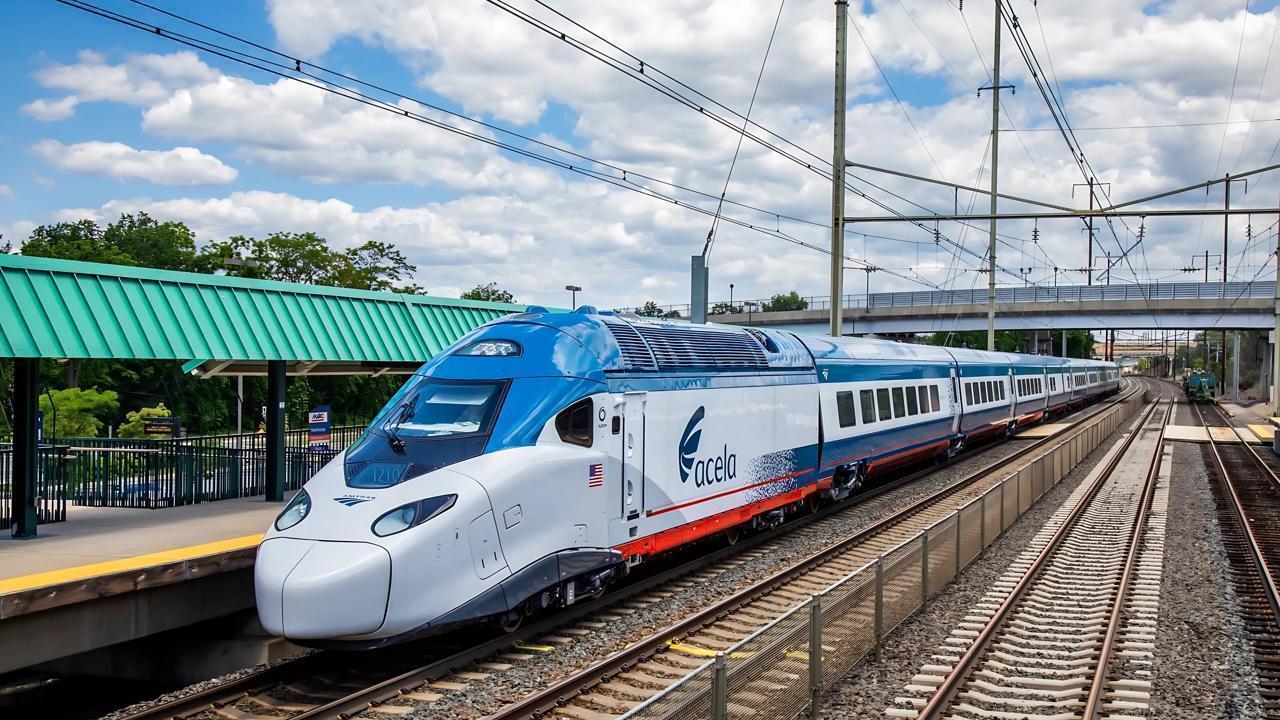
Amtrak, the United States’ national passenger rail service, is set to revolutionize travel along the busy Northeast Corridor (NEC) with the launch of its new high-speed train fleet on August 28, 2025. This milestone represents a significant leap forward for passenger rail in America, offering travelers faster, more comfortable, and more reliable service on the heavily traveled route connecting major cities such as Washington D.C., Philadelphia, New York City, and Boston.
The new fleet—known as the Avelia Liberty—is a cutting-edge addition designed to enhance the overall passenger experience and bring American rail travel closer to the standards enjoyed in Europe and Asia. As Amtrak prepares to roll out these trains, expectations are high for transformative improvements in speed, energy efficiency, and onboard amenities.
A New Era for the Northeast Corridor
The Northeast Corridor is the busiest passenger rail line in the United States, serving millions annually. However, it has long suffered from aging infrastructure and rolling stock, limiting speed and capacity. The introduction of the Avelia Liberty fleet is a decisive step toward addressing these challenges and modernizing one of the country’s critical transportation arteries.
Developed by Alstom, a global leader in rail technology, the Avelia Liberty trains incorporate advanced engineering innovations adapted specifically for American rail conditions. With a top speed of 186 mph (300 km/h), these trains mark the fastest-ever operation on U.S. soil, offering up to 20 minutes of travel time savings on trips between New York and Washington D.C.
The improved speed capability is complemented by greater acceleration and braking performance, enabling more efficient timetable management and increased service frequency on the congested corridor. Amtrak aims to use these features to reduce delays and improve on-time performance, critical for daily commuters and long-distance travelers alike.
Features and Passenger Comfort
Passengers traveling aboard the new fleet will notice a significant upgrade in comfort and amenities compared to existing trains. The Avelia Liberty trains feature spacious seating with ergonomic designs, larger windows for better natural lighting, and modern interiors that reduce noise and vibration for a quieter ride.
Wi-Fi connectivity and power outlets at every seat will support remote work and entertainment needs, catering to today’s mobile lifestyle. Additionally, the trains offer enhanced accessibility features, ensuring travelers with disabilities can move comfortably throughout the train.
Food service and onboard retail spaces have also been reimagined to provide fresher, more varied options, reflecting current consumer preferences for healthy and diverse choices. Sustainability is a central theme, with energy-efficient systems integrated throughout the trains to reduce carbon emissions and support Amtrak’s broader environmental goals.
Infrastructure Upgrades Supporting the New Fleet
Introducing high-speed trains requires more than just new rolling stock; the supporting infrastructure must be capable of handling increased speeds and volumes. Over the past several years, Amtrak and its partners have invested heavily in upgrading tracks, signaling systems, and stations along the NEC to accommodate the Avelia Liberty trains.
These infrastructure improvements include enhanced track stability, improved overhead power lines, and advanced Positive Train Control (PTC) systems to ensure safety at higher speeds. Station renovations aim to provide better passenger access, increased capacity, and modernized facilities.
Coordination with regional transit agencies and freight operators is ongoing to minimize service disruptions and optimize network usage as the new trains enter service.
Economic and Environmental Benefits
The launch of the new high-speed fleet aligns with broader national priorities to shift transportation toward more sustainable modes. Rail travel is inherently more energy-efficient per passenger mile than car or air travel, and the Avelia Liberty trains’ cutting-edge technology further improves this advantage.
By encouraging more travelers to choose rail over road or air, Amtrak contributes to reduced greenhouse gas emissions and less congested highways. The new fleet supports the Biden administration’s infrastructure goals by promoting sustainable transportation options and creating jobs in manufacturing, construction, and rail operations.
Economically, enhanced rail service boosts connectivity between major metropolitan areas, supporting business travel and tourism. Faster and more reliable trains can expand labor markets by enabling longer commutes and fostering regional economic integration.
Challenges and the Road Ahead
Despite the excitement, Amtrak faces challenges in fully realizing the benefits of the new fleet. Integrating high-speed trains into an existing network shared with freight trains requires careful scheduling and infrastructure balancing. The NEC’s urban corridor also presents complexities related to space constraints and environmental regulations.
Cost overruns and delays have historically plagued large rail projects in the U.S., underscoring the importance of vigilant project management as the fleet rollout progresses. Furthermore, ensuring sufficient funding for ongoing infrastructure upgrades remains critical.
However, Amtrak’s leadership remains optimistic. CEO Stephen Gardner emphasized that the new fleet represents a long-awaited modernization that will “transform how people experience travel in the Northeast.” Gardner highlighted that these trains symbolize “a commitment to providing faster, greener, and more comfortable transportation for millions.”
Looking Beyond the Northeast Corridor
While the Avelia Liberty trains are initially focused on the Northeast Corridor, their successful deployment could pave the way for high-speed rail expansion in other U.S. regions. Amtrak has ongoing plans to explore high-speed corridors in the Midwest, California, and the Pacific Northwest.
Lessons learned from the Avelia Liberty launch will inform future projects, helping overcome regulatory hurdles, optimize operational strategies, and build public and political support.
The fleet also showcases American manufacturing capabilities, with many components produced domestically, supporting local economies and supply chains. This factor enhances national interest in expanding rail modernization efforts.
Passenger Expectations and Market Competitiveness
Travelers in the Northeast Corridor have historically faced limited choices between air, rail, and road. The new fleet aims to make rail the preferred mode by offering a combination of speed, convenience, and comfort unmatched in the region.
Amtrak will compete directly with airlines on routes like New York to Washington, where air travel is fast but often burdened by airport security and delays. The train’s city-center to city-center service offers a time-saving alternative without the hassle of airports.
Moreover, the COVID-19 pandemic has reshaped travel behavior, increasing demand for safer and more flexible transportation options. High-speed rail can provide socially distanced seating and reduced environmental footprints, appealing to health-conscious and eco-minded travelers.
A Milestone in U.S. Rail Travel
The August 28 launch of Amtrak’s Avelia Liberty high-speed train fleet marks a historic moment for passenger rail in the United States. It signals a transformative step in modernizing the country’s busiest rail corridor, delivering faster, greener, and more comfortable travel to millions.
By combining innovative technology, passenger-centric design, and comprehensive infrastructure upgrades, Amtrak is poised to raise the standard of rail travel to international levels. The success of this project could catalyze broader adoption of high-speed rail across the nation, advancing sustainable transportation and economic growth.
As the first Avelia Liberty trains begin service, passengers and industry observers alike will watch closely to see how this bold investment reshapes the future of rail travel in America.
Amtrak high-speed trains, Amtrak new fleet 2025



Advances in Aerospace Technology and Commercial Aviation Recovery
Insights into breakthrough aerospace technologies and commercial aviation’s recovery amid 2025 chall

Defense Modernization and Strategic Spending Trends
Explore key trends in global defense modernization and strategic military spending shaping 2025 secu

Tens of Thousands Protest in Serbia on Anniversary of Deadly Roof Collapse
Tens of thousands in Novi Sad mark a year since a deadly station roof collapse that killed 16, prote

Canada PM Carney Apologizes to Trump Over Controversial Reagan Anti-Tariff Ad
Canadian PM Mark Carney apologized to President Trump over an Ontario anti-tariff ad quoting Reagan,

The ad that stirred a hornets nest, and made Canadian PM Carney say sorry to Trump
Canadian PM Mark Carney apologizes to US President Trump after a tariff-related ad causes diplomatic

Bengaluru-Mumbai Superfast Train Approved After 30-Year Wait
Railways approves new superfast train connecting Bengaluru and Mumbai, ending a 30-year demand, easi




