Post by : Saif
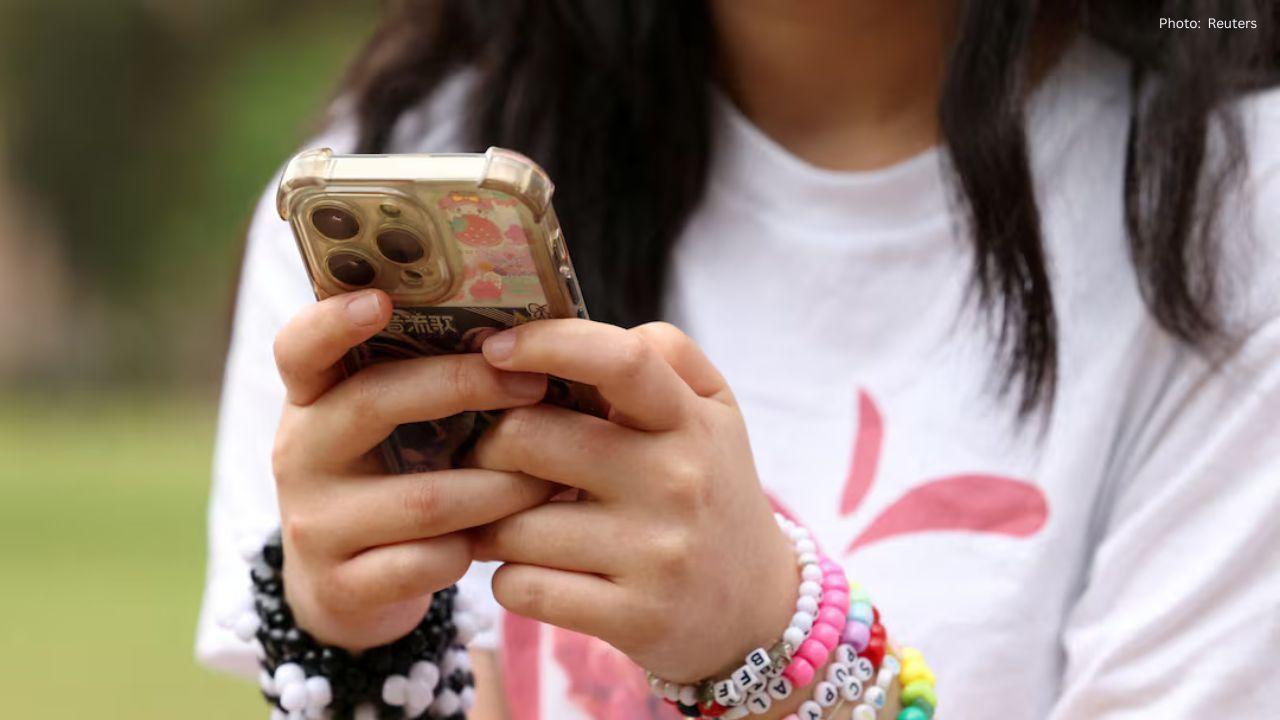
Australia has taken a bold and controversial step by enforcing a nationwide ban on social media use for children under the age of 16. As the new law takes effect on December 10, major tech companies like Meta, TikTok, YouTube, and Snapchat have already begun removing or freezing accounts belonging to underage users. The move has gained worldwide attention, with experts suggesting that other countries may soon follow Australia’s lead.
The law aims to protect children from harmful online environments, including addictive design features, unsafe content, and data collection practices. According to Australia’s eSafety Commissioner Julie Inman Grant, this step was necessary because softer, gradual regulations had failed to make enough impact.
Speaking at the Sydney Dialogue cyber summit, Inman Grant said that the world has reached a “tipping point.” She explained that tech platforms make money from user data and have created designs that even adults struggle to resist. “What chance do our children have?” she asked.
Initially, she had concerns about the sweeping nature of the ban. But over time, she came to believe that stronger action was the only way to protect young people online. She also noted that governments around the world are closely watching Australia. She referred to the law as the “first domino,” suggesting it could spark a global wave of stricter rules for Big Tech.
Meta’s platforms — Instagram, Facebook, and Threads — have begun deactivating accounts early, starting on Thursday. Screenshots seen by Reuters show notices sent to underage users explaining that their accounts do not meet age requirements. Other platforms, such as TikTok, YouTube, and Snapchat, are also reaching out to young users, asking them to save their photos and contacts before their accounts are removed or frozen until they turn 16.
The ban comes with tough penalties, including fines of up to A$49.5 million ($33 million) for companies that fail to comply. With around 96% of Australian teens under 16 already using social media, the change affects more than one million young people.
Parents have shown strong support for the decision. Sydney mother Jennifer Jennison said she feels relieved. She believes the ban will reduce pressure on kids, who often struggle with online bullying, unhealthy comparisons, and constant notifications. “Give my kids a break after school,” she said. “They can rest and spend time with the family.”
The law has not been free from controversy. Major tech platforms spent over a year campaigning against it. According to Inman Grant, some even took their objections to the U.S. government. The U.S. House Judiciary Committee has asked her to testify, claiming the Australian law could affect American free speech. Inman Grant noted that this request itself shows the global reach of the issue.
She did not say whether she will testify, but pointed out the irony in the claim of “extra-territorial power,” since the request for her appearance applies pressure from outside Australia.
As the December 10 deadline approaches, the world is watching closely to see how this policy unfolds. Supporters hope it will protect children from harmful online experiences, while critics worry about its broad impact and possible influence on global internet rules.
One thing is certain: Australia has set a new standard in the global debate on children and digital safety, and other nations may soon follow the path it has marked.
#trending #latest #AustraliaNews #SocialMediaBan #Meta #ChildSafety #BigTech #OnlineSafety #DigitalRegulation #GlobalTechPolicy



Advances in Aerospace Technology and Commercial Aviation Recovery
Insights into breakthrough aerospace technologies and commercial aviation’s recovery amid 2025 chall

Defense Modernization and Strategic Spending Trends
Explore key trends in global defense modernization and strategic military spending shaping 2025 secu

Tens of Thousands Protest in Serbia on Anniversary of Deadly Roof Collapse
Tens of thousands in Novi Sad mark a year since a deadly station roof collapse that killed 16, prote

Canada PM Carney Apologizes to Trump Over Controversial Reagan Anti-Tariff Ad
Canadian PM Mark Carney apologized to President Trump over an Ontario anti-tariff ad quoting Reagan,

The ad that stirred a hornets nest, and made Canadian PM Carney say sorry to Trump
Canadian PM Mark Carney apologizes to US President Trump after a tariff-related ad causes diplomatic

Bengaluru-Mumbai Superfast Train Approved After 30-Year Wait
Railways approves new superfast train connecting Bengaluru and Mumbai, ending a 30-year demand, easi




