Post by : Avinab Raana
Photo : X / BoardingArea
Capitalizing on Idle Planes with a Winter Trial
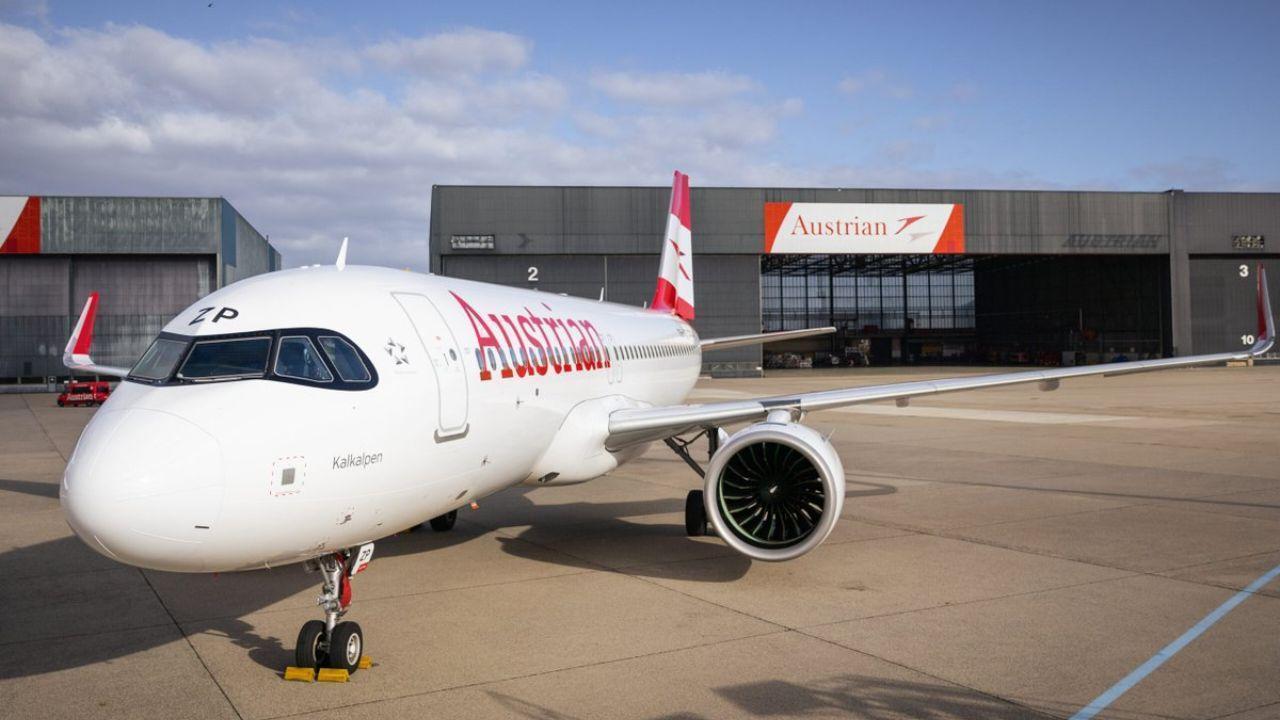
Austrian Airlines is taking an inspired leap this winter—testing a Vienna–Dubai route using spare aircraft, specifically its Airbus A320neo narrowbody fleet. Dubbed the “winter trial,” the service will operate five times weekly between December 1, 2025, and March 2026. By putting aircraft that would otherwise sit on the ground into service, Austrian turns downtime into an experiment on long-haul narrowbody demand.
Embracing Spare Capacity to Compete
The airline boldly remarks, “an aircraft in the air is always better than one on the ground.” With winter often marking a dip in European traffic, conventional routes see a drop in demand and capacity. Austrian flips this challenge: it deploys quiet jets on a price-sensitive route, offering a bold alternative to dominated routes by legacy Gulf carriers.
Scheduling Tailored for Convenience
Austrian engineers the schedule for maximum utility. Flights depart Vienna at 18:55, arriving in Dubai at 03:40, then return at 06:05, landing in Vienna around 09:25. These timings enable travelers to enjoy full days in both cities, catching the night transit that double-dips across tourism and business segments. It’s efficiency designed around the clock.
Pricing That Challenges Norms
Branded as the “Dubai Deal,” return fares start at just €314 for economy light. Higher tiers—Economy Classic and Business Class—start from €374 and €699, respectively. These prices are intentionally disruptive, forcing a rethink of premium gulf pricing by softening entry points with smart bundling and value.
A320neo: Smart Choice for Long-Haul Testing
Despite conventional wisdom favoring widebodies on long routes, Austrian believes narrowbody efficiency will speak volumes. The A320neo’s lighter build and fewer seats lower break-even loads. Though lacking in-flight entertainment or traditional long-haul amenities, the streamlined features are offset by affordability and novelty, adapting expectations for mid-range travel.
Building on a Growing Trend
Austrian joins peers experimenting with similar setups. Airlines like airBaltic, ITA Airways, Aegean, and Wizz Airhave already used narrowbodies on service to Dubai. Austrian’s attempt blends that efficiency trend with winter tourism strategy—targeting skiers, shop-hoppers, and warm-weather seekers equally.
A Test with Expansion Potential
Dubbed an “experiment”, Austrian maintains flexibility. Should its demand hold or exceed projections, the route could remain seasonal or even permanent. The data gleaned will guide whether the A320neo can be a repeatable tool for cost-conscious long-haul exploration.
Strategic Variation in the Winter Network
Beyond Dubai, Austrian is also boosting route availability to Malé, Mauritius, and Bangkok during the winter—places where sunny escapes are in demand. Dubai stands out because it merges exotic appeal with business gravity—a dual pull Austrian hopes will maximize load factors on sparse winter schedules.
Leadership Embraces Bold Steps
CEO Annette Mann frames the route candidly: “We understand this route comes with strong and very comfortable competition. But by deploying aircraft that would otherwise be idle, we can afford to take a bold step, try something new, and challenge the market.” The tone is strikingly humble and strategic—embracing risk to gather insight.
How Travelers React
Early booking trends and chatter hint at optimism. Price-aware passengers—families, budget tourists, and miles chasers—are already eyeing the Dubai Deal fares. Without entertainment drawbacks, they expect smart, affordable service. Much hinges on onboard “smart extras” and the Austrian touch via “Melangerie” service, designed to enhance comfort in lean-fare settings.
Operational and Competition Implications
If demand exceeds expectations, competitors may feel pressure to respond. Emirates or similar operators might tweak pricing or add frequency. Alternatively, Austrian can build credibility as a value-oriented challenger. Operationally, successful execution could reposition Austrian’s narrowbody fleet as a flexible asset—capable of stretching beyond typical point-to-point flights into creative long-haul uses.
Risks and Unknowns Remain
Winter trials face frequent pitfalls—weather delays, fuel burn increases, or thin margins if load factors slip. The absence of premium seat experience could deter travelers expecting more. Austrian’s careful phrasing emphasizes caution—it’s a test, not a launch. Metrics on profitability, passenger satisfaction, and load consistency will define next moves.
A Future-Ready Strategy for Niche Demand
If the Dubai trial succeeds, Austrian could legitimize narrowbody long-distance service on other routes—maybe Europe to Middle East or North Africa. The strategy underscores flexible asset utilization, quick adaptability, and customer price sensitivity—all key as post-pandemic travel evolves.
Winter Trial, Long-Term Lessons
Austrian Airlines’ decision to deploy A320neo flights to Dubai this winter is bold yet introspective. It reflects creative reuse of idle assets, price-conscious market testing, and adventurous strategy behind the classic Austrian veneer. Should the experiment prove fruitful, the airline may chart not just winter skies to Dubai but a new market model where narrowbody meets long-haul with agility—and purpose.
Winter trial, Spare capacity, A320neo



Advances in Aerospace Technology and Commercial Aviation Recovery
Insights into breakthrough aerospace technologies and commercial aviation’s recovery amid 2025 chall

Defense Modernization and Strategic Spending Trends
Explore key trends in global defense modernization and strategic military spending shaping 2025 secu

Tens of Thousands Protest in Serbia on Anniversary of Deadly Roof Collapse
Tens of thousands in Novi Sad mark a year since a deadly station roof collapse that killed 16, prote

Canada PM Carney Apologizes to Trump Over Controversial Reagan Anti-Tariff Ad
Canadian PM Mark Carney apologized to President Trump over an Ontario anti-tariff ad quoting Reagan,

The ad that stirred a hornets nest, and made Canadian PM Carney say sorry to Trump
Canadian PM Mark Carney apologizes to US President Trump after a tariff-related ad causes diplomatic

Bengaluru-Mumbai Superfast Train Approved After 30-Year Wait
Railways approves new superfast train connecting Bengaluru and Mumbai, ending a 30-year demand, easi




