Post by : Amit
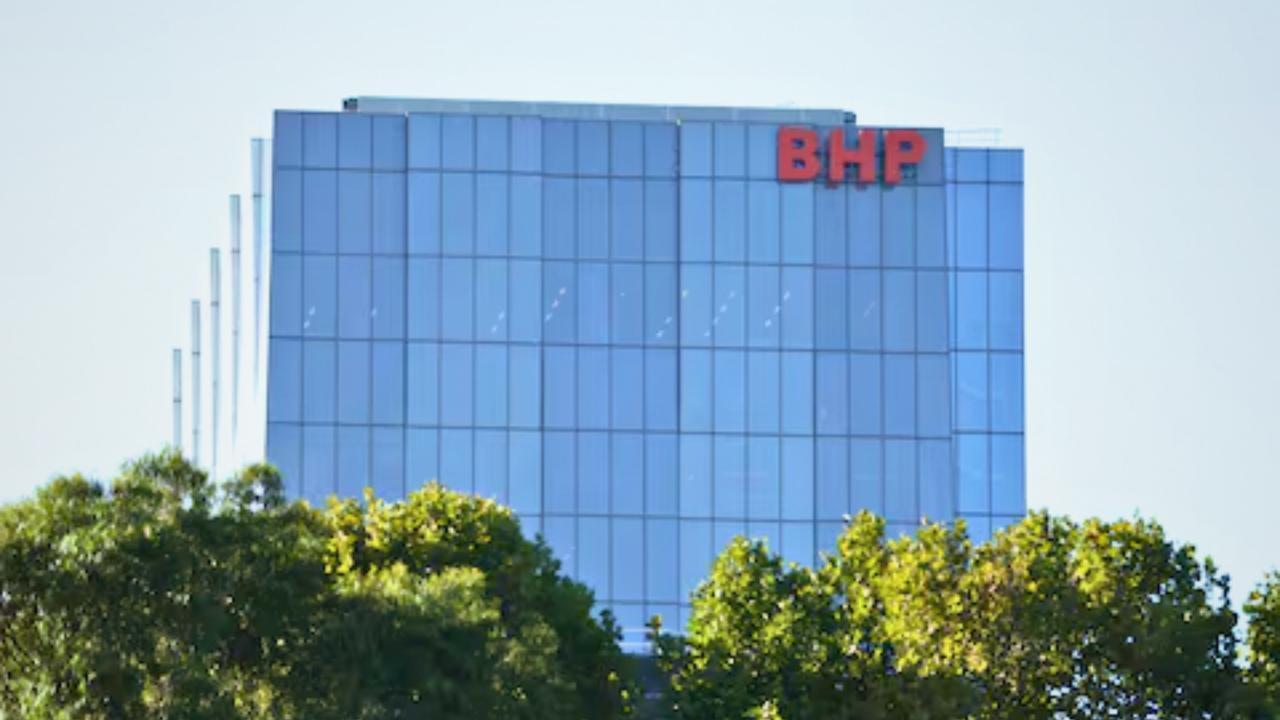
Photo: Reuters
The future of maritime trade, global mining powerhouse BHP has announced the long-term charter of two ammonia-fuel ready bulk carriers from China’s COSCO Shipping Bulk. The agreement marks one of the first significant moves to introduce low-carbon fuel vessels into mainstream commercial dry bulk operations—a key milestone in the global shipping industry’s race to decarbonize.
The two state-of-the-art newbuild bulk carriers are designed to transport iron ore and other commodities across major international sea routes, including BHP’s critical export lanes from Australia to Asia. What sets these vessels apart is their readiness for ammonia propulsion—a zero-carbon fuel when used in combustion engines or fuel cells. With delivery scheduled for 2025, the ships are positioned at the cutting edge of a shipping revolution that seeks to reduce greenhouse gas emissions on the high seas.
A Strategic Alliance for Cleaner Shipping
The collaboration between BHP, one of the world’s largest exporters of iron ore, and COSCO Shipping Bulk, a global leader in dry bulk transportation, reflects a broader paradigm shift in the maritime sector. Mounting international pressure to meet climate goals is driving both shipowners and charterers to invest in cleaner technologies well ahead of regulatory mandates.
Ammonia, produced from renewable energy sources such as green hydrogen, has rapidly gained prominence as a viable alternative to traditional marine fuels like heavy fuel oil or liquefied natural gas (LNG). Unlike fossil fuels, ammonia does not release carbon dioxide when burned or used in fuel cells, making it one of the most promising candidates for achieving net-zero emissions in shipping.
While the BHP-chartered vessels will initially operate on conventional marine fuels, they are being purpose-built to allow rapid retrofitting for ammonia propulsion as soon as the necessary bunkering infrastructure and supply chains are in place. This future-proof design is critical as the International Maritime Organization (IMO) advances its targets for net-zero greenhouse gas emissions from shipping by around 2050.
Leading by Example in Climate Commitment
For BHP, the deal is part of an ambitious strategy to cut emissions across its global supply chain, including the maritime leg that accounts for a sizable portion of its carbon footprint. The company has been steadily expanding its decarbonization efforts through previous initiatives such as chartering LNG-powered vessels and experimenting with wind-assisted propulsion systems.
“Decarbonizing maritime freight is a fundamental part of BHP’s commitment to net-zero emissions,” the company stated. “We are proud to partner with COSCO Shipping Bulk on this pioneering project, which will not only reduce our environmental impact but also help push the industry forward.”
BHP’s involvement in early adoption of new fuel technologies sends a powerful message to both the shipping sector and the broader commodities market. By taking tangible steps today, the company is actively preparing for the next generation of maritime transport.
COSCO’s Role in Driving Sustainable Shipping
For COSCO Shipping Bulk, one of the world’s largest dry bulk operators, the deal strengthens its leadership in sustainable maritime transport. The Chinese shipping giant has been proactive in developing vessels that align with future fuel trends, digital transformation, and enhanced energy efficiency.
“We are honored to collaborate with BHP on this transformative initiative,” a COSCO spokesperson said. “These ammonia-ready vessels are a testament to COSCO’s dedication to green shipping and our shared vision of a cleaner, more sustainable future.”
The ammonia-ready vessels will not only help meet tightening environmental regulations but also position COSCO to serve customers who increasingly demand low-carbon shipping solutions.
Navigating Challenges and Opportunities
Despite its promise, the widespread adoption of ammonia as a marine fuel faces several challenges, including handling safety risks, toxicity concerns, and the current lack of a global bunkering infrastructure. However, industry leaders like BHP and COSCO believe that early investments are essential to overcome these obstacles and catalyze broader market adoption.
The announcement comes at a time when regulators, investors, and environmental groups are intensifying their scrutiny of maritime emissions. The shipping industry, responsible for nearly 3% of global greenhouse gas emissions, is under growing pressure to adopt cleaner alternatives as part of the global fight against climate change.
Paving the Way for a Net-Zero Future
The BHP-COSCO partnership represents more than just a shipping contract; it is a decisive step toward shaping the next chapter of global trade. By committing to ammonia-capable vessels, both companies are helping to create the market conditions and technological momentum necessary for the broader decarbonization of the maritime sector.
As the world watches how industries adapt to the pressing challenge of climate change, this groundbreaking move stands as an example of how bold collaboration and forward-thinking innovation can chart a new course—one where economic growth and environmental responsibility sail side by side.
Ammonia Shipping, Green Bulk Carrier



Advances in Aerospace Technology and Commercial Aviation Recovery
Insights into breakthrough aerospace technologies and commercial aviation’s recovery amid 2025 chall

Defense Modernization and Strategic Spending Trends
Explore key trends in global defense modernization and strategic military spending shaping 2025 secu

Tens of Thousands Protest in Serbia on Anniversary of Deadly Roof Collapse
Tens of thousands in Novi Sad mark a year since a deadly station roof collapse that killed 16, prote

Canada PM Carney Apologizes to Trump Over Controversial Reagan Anti-Tariff Ad
Canadian PM Mark Carney apologized to President Trump over an Ontario anti-tariff ad quoting Reagan,

The ad that stirred a hornets nest, and made Canadian PM Carney say sorry to Trump
Canadian PM Mark Carney apologizes to US President Trump after a tariff-related ad causes diplomatic

Bengaluru-Mumbai Superfast Train Approved After 30-Year Wait
Railways approves new superfast train connecting Bengaluru and Mumbai, ending a 30-year demand, easi




