Post by : Amit
Photo: Reuters
June, 2025 — In a major stride toward revolutionizing transportation in the American Southwest, the highly anticipated Brightline West high-speed rail project is entering a pivotal phase as field investigation teams fan out across the High Desert region of Southern California. These comprehensive ground studies, unfolding along the busy Interstate 15 corridor, are laying the groundwork for what is set to become the nation’s first true high-speed rail link between Las Vegas and Los Angeles. With ambitious goals of slashing travel times, reducing highway congestion, and offering a greener alternative to car and air travel, the project is quickly transforming from vision to reality.
For decades, the 270-mile stretch between the entertainment capital of Las Vegas and the sprawling metropolis of Los Angeles has symbolized both opportunity and frustration. Interstate 15, the primary artery connecting the two cities, is notorious for its relentless traffic, especially during weekends and holidays when travelers pack the highway, leading to marathon gridlocks. Brightline West, the private company behind this transformative venture, aims to change that narrative by offering a sleek, fast, and environmentally responsible rail service that promises to cover the distance in under two hours—less than half the time it typically takes by car.
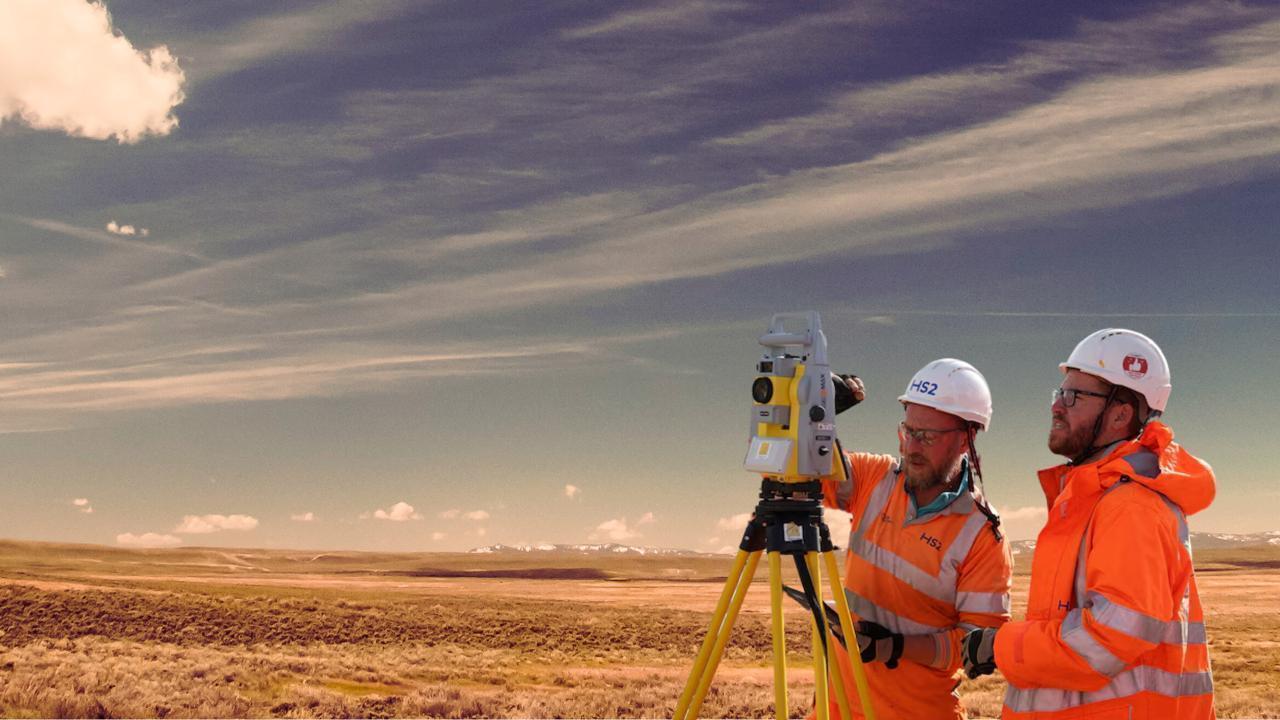
The current focus of the project—detailed field investigations—is an indispensable part of bringing the high-speed rail vision to life. Before the first tracks are laid or the first sleeper is installed, engineers and environmental specialists must meticulously study the land where the rail line will pass. These investigations involve analyzing soil composition, assessing topographical features, examining existing infrastructure, and identifying environmental sensitivities that must be preserved. The process is painstaking and thorough, but it is vital to ensuring that the eventual construction proceeds smoothly, safely, and in harmony with the surrounding environment.
Brightline West’s field teams are employing a range of advanced techniques during these studies, including soil boring, geotechnical assessments, and environmental impact evaluations. The goal is not only to confirm the suitability of the planned route but also to anticipate and mitigate any natural or human-made challenges. From seismic stability in this earthquake-prone region to the preservation of delicate desert ecosystems, every factor is carefully considered.
“We are committed to building this rail line in a way that is respectful to the land, the wildlife, and the communities it touches,” said Sarah Watterson, President of Brightline West. “These field investigations help us ensure that we’re making the right choices, both for the technical success of the project and for the people who live along the corridor.”
At the heart of the Brightline West project is a promise to transform how people travel between two of the country’s busiest and most vibrant cities. The new high-speed trains, capable of reaching speeds up to 200 miles per hour, will offer travelers an alternative to the often unpredictable and exhausting road journey on Interstate 15. The rail line will begin near the Las Vegas Strip and connect to Rancho Cucamonga, California, where passengers can seamlessly transfer to Southern California’s Metrolink commuter system for onward travel into downtown Los Angeles.
Beyond reducing travel times, Brightline West is positioning itself as an environmentally sustainable solution. The trains will run on clean electric power, significantly lowering greenhouse gas emissions compared to car or air travel. By drawing travelers away from fossil fuel-reliant vehicles, the project is expected to eliminate an estimated 400,000 tons of carbon dioxide annually—equivalent to removing over 85,000 cars from the road each year.
In addition to environmental benefits, Brightline West promises substantial economic rewards. The construction phase alone is projected to generate tens of thousands of jobs, including roles in engineering, construction, and project management. Once operational, the rail line will create permanent employment opportunities in train operations, maintenance, station management, and customer service. Moreover, the rail link is expected to stimulate local economies by boosting tourism and business connectivity between Nevada and Southern California.
The project’s community-centered approach is another standout feature. From the outset, Brightline West has made it a priority to engage with local governments, tribal communities, environmental groups, and residents along the route. Regular public consultations, informational sessions, and open channels of communication have helped build transparency and trust—factors that are often missing in large-scale infrastructure projects.
Environmental stewardship is a core pillar of the project’s ethos. The route through the Mojave Desert—a unique and fragile ecosystem—is being carefully planned to avoid disruption to wildlife habitats and protected areas. The company is working closely with environmental agencies to ensure that sensitive species, such as the desert tortoise and various native plants, are safeguarded during both construction and operation. Furthermore, the use of renewable energy to power the trains underscores Brightline West’s alignment with California and Nevada’s ambitious climate goals.
As the field studies progress, the project is simultaneously advancing through regulatory approvals and final design phases. Recent developments have also seen significant financial backing, including federal funding through the Bipartisan Infrastructure Law—one of the largest ever investments in American transportation. With both public and private funding streams in place, Brightline West is well-positioned to break ground in 2026, with the aim of launching passenger service by 2028.
The benefits of the high-speed rail system extend beyond just those who will ride the trains. By diverting significant volumes of traffic from I-15, the project is expected to ease roadway congestion, reduce wear and tear on infrastructure, and lower the frequency of vehicular accidents on one of the nation’s most heavily traveled highways. For air travelers, the rail line could also provide a less stressful, more predictable alternative to the often-delayed flights between Southern California and Las Vegas.
As high-speed rail continues to redefine mobility in other parts of the world—Europe, Japan, and China being prime examples—the United States has lagged behind in adopting this transformative mode of transport. Brightline West’s project represents a bold step toward changing that, signaling that the era of fast, efficient, and sustainable train travel may finally be arriving on American soil.
For the millions of travelers who make the Las Vegas-to-Los Angeles journey each year, the prospect of bypassing gridlocked highways and stressful airport queues in favor of a smooth, quiet, and eco-friendly train ride is no longer just a distant dream. It is becoming a reality—one mile, one survey, and one steel rail at a time.
As the first round of field investigations continues along the vast desert corridor, the stage is being set not just for a new transportation system, but for a new era of connectivity, sustainability, and economic growth in the American West. The Brightline West high-speed rail project is on track, quite literally, to change how the Southwest moves.
High-Speed Rail California



Advances in Aerospace Technology and Commercial Aviation Recovery
Insights into breakthrough aerospace technologies and commercial aviation’s recovery amid 2025 chall

Defense Modernization and Strategic Spending Trends
Explore key trends in global defense modernization and strategic military spending shaping 2025 secu

Tens of Thousands Protest in Serbia on Anniversary of Deadly Roof Collapse
Tens of thousands in Novi Sad mark a year since a deadly station roof collapse that killed 16, prote

Canada PM Carney Apologizes to Trump Over Controversial Reagan Anti-Tariff Ad
Canadian PM Mark Carney apologized to President Trump over an Ontario anti-tariff ad quoting Reagan,

The ad that stirred a hornets nest, and made Canadian PM Carney say sorry to Trump
Canadian PM Mark Carney apologizes to US President Trump after a tariff-related ad causes diplomatic

Bengaluru-Mumbai Superfast Train Approved After 30-Year Wait
Railways approves new superfast train connecting Bengaluru and Mumbai, ending a 30-year demand, easi




