Post by : Amit
Photo : X / FlightGlobal
A New Twist in Lilium’s Turbulent Journey
The embattled German air taxi developer Lilium has once again found itself at a critical crossroads. After filing for insolvency earlier this year, administrators are still negotiating with a potential buyer, but the process has slowed amid missing paperwork and regulatory questions. This latest development highlights the fragile state of Europe’s advanced air mobility (AAM) sector, where bold visions of urban air taxis continue to collide with financial and industrial realities.
Administrators Await Critical Documents
According to the latest update, administrators overseeing Lilium’s insolvency are waiting for essential documents from the would-be buyer before any transfer of assets can proceed. Without these legal and financial assurances, regulators cannot approve the deal. Industry insiders suggest that the delays point to deeper challenges, particularly around due diligence and financing guarantees.
Lilium’s Struggles and Collapse
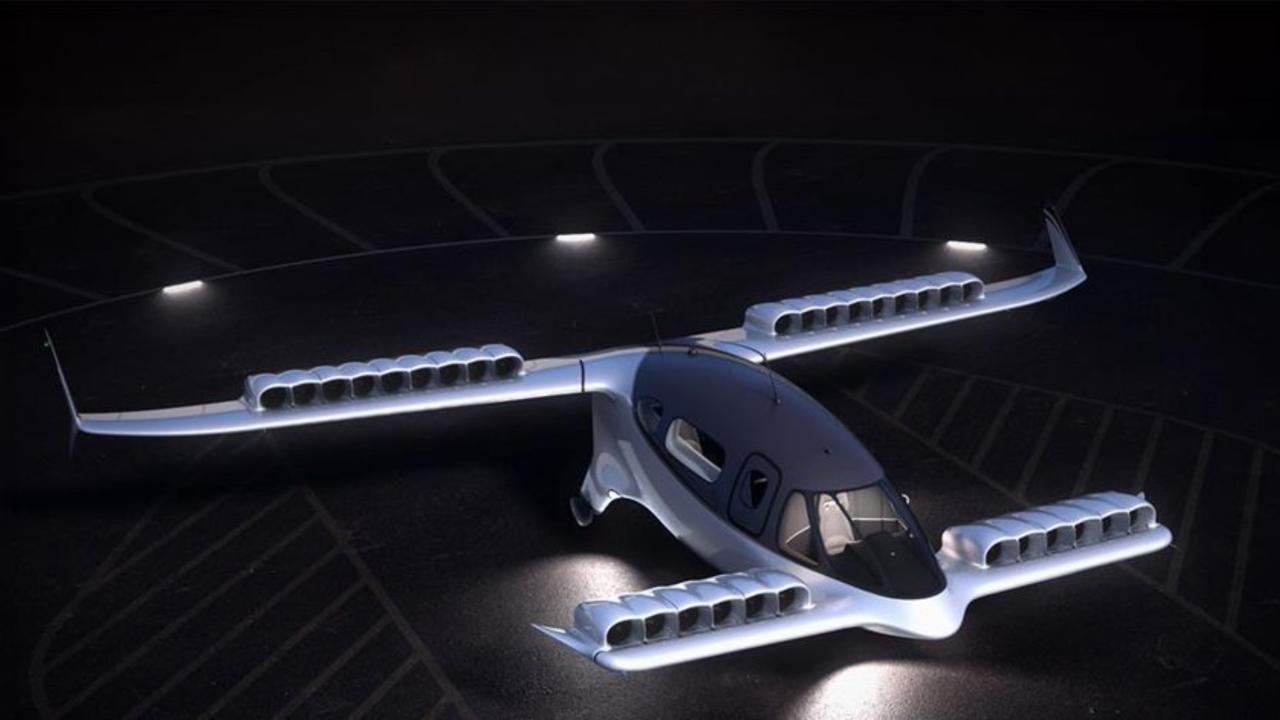
Founded in 2015, Lilium was once a symbol of Europe’s ambition in electric vertical take-off and landing (eVTOL) aircraft. The company raised more than $1 billion in funding and made bold promises about building a revolutionary “jet-like” air taxi with ducted fan propulsion. Yet, technical hurdles, high cash burn, and an unforgiving capital market ultimately led to its insolvency in mid-2025. Its collapse has left suppliers, investors, and policymakers questioning how much appetite remains for high-risk, high-capital AAM ventures.
Who Is the Potential Buyer?
The administrators have not publicly named the would-be acquirer, though speculation in industry circles points toward a European aerospace consortium or a technology investment group. Both would bring different strategic motives—one focused on salvaging technology for integration into existing aerospace projects, the other potentially seeking intellectual property and patents for future commercialization. Regardless, the missing documents raise doubts about the buyer’s preparedness or seriousness.
Regulatory Hurdles Ahead
Even if the buyer provides the necessary documents, regulators will need to examine the deal closely. The transfer of sensitive aerospace technology within Europe—and possibly beyond—invites scrutiny under EU export controls, aviation safety rules, and competition law. Without clear transparency on financing sources and intentions, approval could face significant delays.
Impact on Suppliers and Employees
Lilium’s insolvency has already caused ripple effects across its supply chain. Several small and mid-sized component manufacturers—ranging from battery specialists to avionics suppliers—are left with unpaid invoices. Employees, particularly engineers in Munich and testing teams in Spain, are anxiously awaiting clarity. A credible buyer could preserve valuable jobs and expertise, but a collapse in negotiations risks scattering talent across competitors.
Broader Implications for Europe’s eVTOL Sector
The uncertainty around Lilium underscores a broader challenge facing Europe’s advanced air mobility ecosystem. While U.S. rivals like Joby Aviation and Archer Aviation have secured significant funding and strategic backing, European projects appear more vulnerable. Germany, once positioned as a hub for eVTOL innovation, now risks losing momentum to the U.S. and Asia if flagship ventures like Lilium cannot survive.
Expert Voices: Realism Over Hype
Aerospace analysts stress that while the concept of eVTOL remains promising, the industry needs to recalibrate expectations. “The collapse of Lilium is not the end of the air taxi dream,” one industry consultant noted. “But it highlights that building a new category of aircraft requires patience, steady capital, and incremental progress—not grand promises that outpace engineering reality.”
Possible Outcomes of the Acquisition Bid
There are several scenarios at play:
A Critical Few Weeks Ahead
The next few weeks will likely decide Lilium’s fate. For Europe’s AAM sector, the outcome will serve as either a lifeline or a warning sign. If the acquisition succeeds, Lilium’s story may pivot from collapse to cautious revival. If it fails, the episode could reinforce investor skepticism and delay Europe’s ability to compete in the global race for eVTOL leadership.
Aviation



Advances in Aerospace Technology and Commercial Aviation Recovery
Insights into breakthrough aerospace technologies and commercial aviation’s recovery amid 2025 chall

Defense Modernization and Strategic Spending Trends
Explore key trends in global defense modernization and strategic military spending shaping 2025 secu

Tens of Thousands Protest in Serbia on Anniversary of Deadly Roof Collapse
Tens of thousands in Novi Sad mark a year since a deadly station roof collapse that killed 16, prote

Canada PM Carney Apologizes to Trump Over Controversial Reagan Anti-Tariff Ad
Canadian PM Mark Carney apologized to President Trump over an Ontario anti-tariff ad quoting Reagan,

The ad that stirred a hornets nest, and made Canadian PM Carney say sorry to Trump
Canadian PM Mark Carney apologizes to US President Trump after a tariff-related ad causes diplomatic

Bengaluru-Mumbai Superfast Train Approved After 30-Year Wait
Railways approves new superfast train connecting Bengaluru and Mumbai, ending a 30-year demand, easi




