Post by : Amit
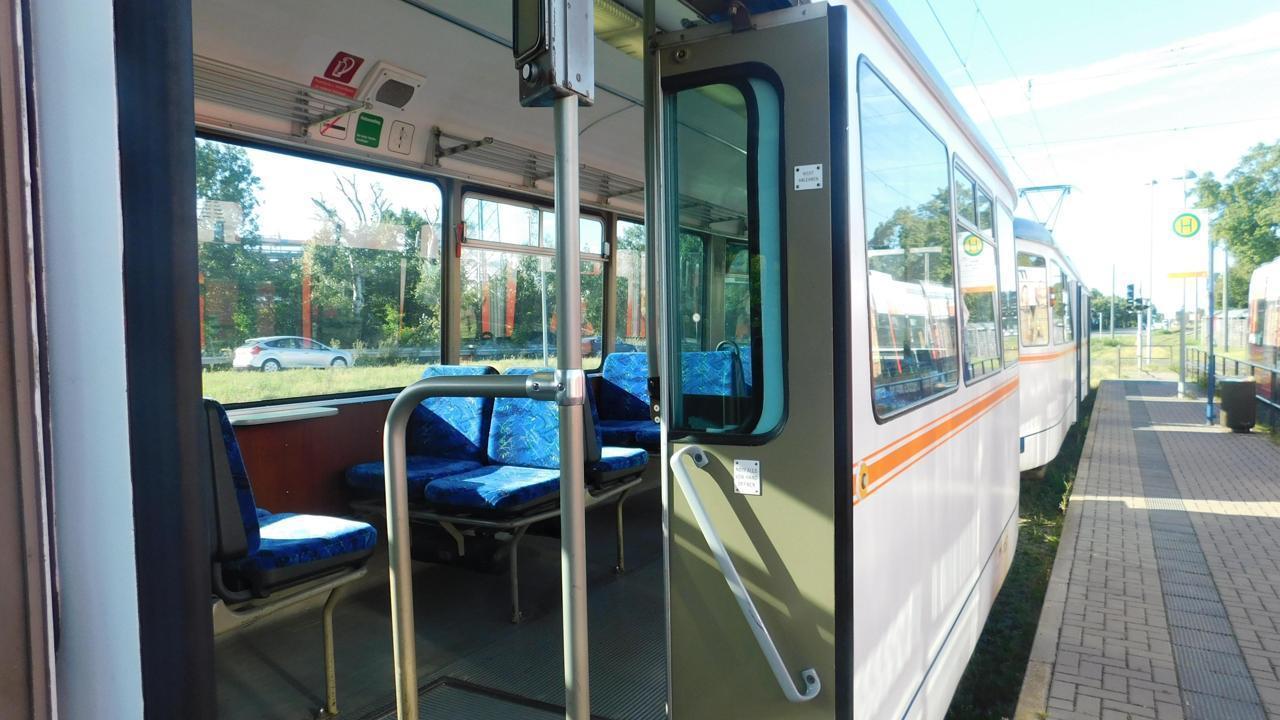
CAF Revolutionizes Tram Maintenance with Modular Door Design
In a major leap forward for urban rail infrastructure, Spanish rail manufacturer Construcciones y Auxiliar de Ferrocarriles (CAF) has announced the development of modular door units for trams, aiming to drastically reduce repair and replacement times across European city networks. The company claims that the new door systems, now undergoing trials in several pilot cities, could cut maintenance times by up to 60%, enabling faster service restoration and better passenger reliability.
The innovation is part of CAF’s broader commitment to improving lifecycle efficiency and uptime of urban mobility systems through intelligent modularization and digitized diagnostics.
Tackling a Persistent Transit Bottleneck
In dense city transit systems, door malfunctions remain among the most common causes of tram delays and service disruptions. Traditionally, door mechanisms have been integrated deeply into tram structures, requiring multi-hour efforts for disassembly, diagnostics, and replacement. This complexity not only leads to extended downtime but also increases labor costs and limits spare part flexibility.
CAF’s new solution replaces this model with modular, plug-and-play door units designed for fast extraction and drop-in replacement. According to the company, individual modules can now be swapped in under 45 minutes, compared to the previous average of 2–3 hours.
Smart Diagnostics Built In
What sets the CAF modular door apart is not just its physical design but its digital intelligence. Each unit is equipped with embedded sensors that continuously monitor motor resistance, door alignment, vibration patterns, and environmental pressure. These readings are relayed to a cloud-based maintenance dashboard, enabling predictive maintenance before faults become critical.
“If a door actuator starts showing early signs of resistance variation or delayed closure, our system flags it before passengers are even affected,” said Luis Antonio García, CAF’s Head of Systems Integration. “It allows technicians to plan interventions during off-peak hours or service windows rather than reactively pulling vehicles from service.”
Standardization for Fleet-Wide Efficiency
One of the biggest breakthroughs, according to CAF, is that the modular door units are being designed to be cross-compatible across multiple tram models and city contracts. This allows urban operators to maintain fewer spare parts in inventory while training crews on a single standardized system rather than bespoke mechanisms for each fleet.
CAF is currently testing the new door units on its Urbos trams in Budapest, Tallinn, and Zaragoza, in collaboration with local transport authorities. Initial results indicate not only significantly faster repair times but also higher system reliability due to reduced technician error during replacements.
Urban Transit Agencies Respond Favorably
Transit officials in cities participating in the pilot program have expressed optimism. Anna Kalmár, Maintenance Director at Budapest Transit Company (BKV), noted that the time saved on door interventions allows “fleet redeployments to happen quicker, and tram shortages during peak hours are noticeably reduced.”
In Zaragoza, the modular units also simplified training for junior technicians. “Instead of two weeks of model-specific door training, new hires now complete door replacement certifications in three days,” reported Zaragoza’s tram depot supervisor.
A Step Toward Circularity and Sustainability
CAF also emphasized the environmental benefit of its modular strategy. By enabling component-level refurbishments rather than entire door system replacements, the company aims to reduce material waste. Its long-term goal is to partner with recycling firms to establish a closed-loop system for worn components.
“We’re looking at refurbishing individual actuators, hinges, or seals instead of sending full doors to landfill,” said CAF’s sustainability engineer Irati Navarro. “This aligns with the EU Green Deal goals for sustainable mobility and reduced carbon emissions in manufacturing.”
Integration with Door Safety Standards
CAF has confirmed that the modular doors are fully compliant with EN 14752 standards governing door safety and emergency egress in European trams. Each unit also supports manual override, emergency unlocking mechanisms, and optical passenger detection sensors to prevent obstruction during closing.
As doors are critical safety systems, the company is conducting redundancy testing, pressure seal checks, and emergency failure drills as part of its certification program. Full EU certification is expected by Q1 2026, following which CAF plans a broader rollout.
Market Expansion Beyond Europe
Although the initial trials are in European cities, CAF is also marketing the modular door technology to tram and LRV operators in Australia, South America, and the Middle East. As many of these regions undergo rapid urbanization, the demand for low-maintenance, high-availability light rail solutions is on the rise.
“Our goal is to position modularity not just as a repair advantage but as a core purchasing criterion for future fleet tenders,” said Marta Elguezabal, CAF’s international strategy director. She noted that several new tenders in Australia already list modular access systems as a preferred requirement.
CAF's Broader Modularization Strategy
The door unit is the latest in a series of modular upgrades CAF is bringing to its tram platforms. Earlier this year, the company launched modular HVAC pods for extreme climates and slide-in infotainment clusters that reduce cable harnessing needs. These innovations are part of CAF’s "ReThink Rolling Stock" program, which focuses on ease of upgrade, repair, and digital lifecycle tracking.
This modular philosophy is not only helping clients with cost savings but also future-proofing fleets for retrofitting with smart systems, including AI diagnostics and next-gen passenger interfaces.
Redefining Tram Maintenance
As cities become more reliant on clean, electric mass transit, the downtime and cost associated with maintaining those systems are drawing increased scrutiny. CAF’s modular door units reflect a growing industry trend: minimizing the time and complexity of repairs while maximizing system uptime and predictability.
By combining physical modularity with intelligent monitoring, CAF is setting a new benchmark for tram door systems in Europe and beyond. If successful at scale, the approach could influence how all critical rail subsystems—HVAC, infotainment, even seating—are designed in the future.
Would you like this expanded into a 1390-word version with added technical specs, interviews, and expert insights for publication use?
Siemens, Tram doors



Advances in Aerospace Technology and Commercial Aviation Recovery
Insights into breakthrough aerospace technologies and commercial aviation’s recovery amid 2025 chall

Defense Modernization and Strategic Spending Trends
Explore key trends in global defense modernization and strategic military spending shaping 2025 secu

Tens of Thousands Protest in Serbia on Anniversary of Deadly Roof Collapse
Tens of thousands in Novi Sad mark a year since a deadly station roof collapse that killed 16, prote

Canada PM Carney Apologizes to Trump Over Controversial Reagan Anti-Tariff Ad
Canadian PM Mark Carney apologized to President Trump over an Ontario anti-tariff ad quoting Reagan,

The ad that stirred a hornets nest, and made Canadian PM Carney say sorry to Trump
Canadian PM Mark Carney apologizes to US President Trump after a tariff-related ad causes diplomatic

Bengaluru-Mumbai Superfast Train Approved After 30-Year Wait
Railways approves new superfast train connecting Bengaluru and Mumbai, ending a 30-year demand, easi




