Post by : Amit
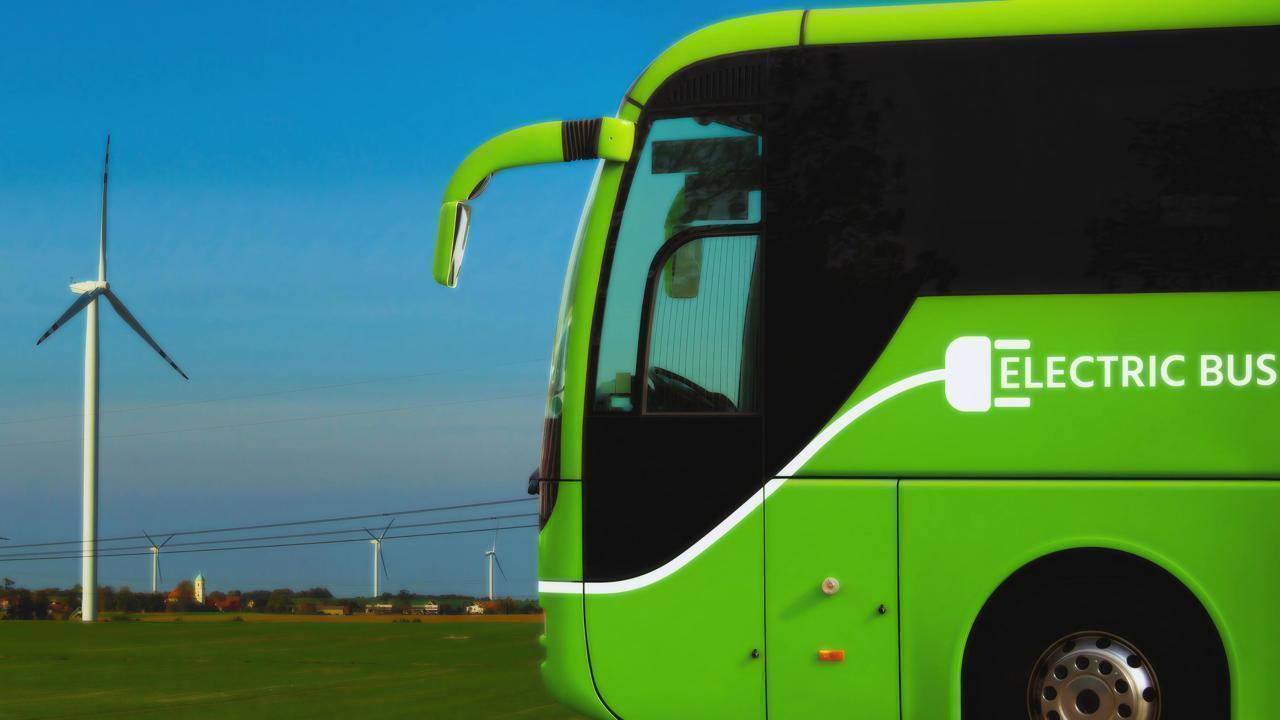
Chennai isn’t messing around anymore. In a powerful move against choking air pollution and chaotic diesel fumes, the city has rolled out 120 all-electric, low-floor buses—marking a bold shift toward cleaner, smarter, and quieter public transport. And this isn’t just a city project. Backed by heavyweights like the World Bank and AIIB, Chennai is officially driving into the future.
Launched under the Chennai City Partnership program, these buses are more than just fancy new machines on wheels. They're a complete rethink of what public transport can and should be—especially in a city where brutal summers, jam-packed roads, and old diesel buses have made commuting a daily test of patience.
Each bus is designed with comfort and inclusivity in mind—easy access for seniors, women, and people with disabilities. But the bigger win? Zero tailpipe emissions. These vehicles are a knockout punch to the carbon-belching diesel fleets still dominating India’s roads.
The funding and planning behind this fleet come from an ambitious global-local alliance. The World Bank and AIIB are helping Chennai not just add more buses—but modernize its entire urban mobility ecosystem. That means better infrastructure, smarter transit planning, and finally, some relief for long-suffering daily commuters.
What makes Chennai’s push even more impressive is that it’s not a one-off. This city now joins a select club of Indian metros leading the charge on electric mobility. Others are watching—and maybe even scrambling to catch up.
“These buses aren’t just transport—they’re a signal,” said one senior official working on the rollout. “They show what happens when smart policy meets serious global support.”
And these aren’t stripped-down barebone rides either. AC, GPS, digital displays, smoother driving—they’re built to change the way people think about city buses. For those used to loud, rattling diesel engines, the quiet glide of these e-buses is a whole new experience.
The bigger plan? Full integration. These electric buses will eventually plug into Chennai’s larger transit network—connecting with the metro, suburban trains, and upcoming bike-sharing zones to create a more seamless urban journey.
This isn’t just good news for commuters—it’s an urgent response to the climate crisis. With temperatures rising, floods getting worse, and air quality at dangerous levels, Indian cities can’t afford to wait. Clean public transport is no longer a luxury—it’s a survival strategy.
By electrifying its fleet, Chennai also reduces its oil dependency, boosts energy security, and improves public health. And for the millions of people who rely on buses to get to work, school, or just across town—it means safer, cleaner, and cooler rides ahead.
Thanks to international backing and smart city planning, Chennai just proved that when the right minds and money meet, big change happens.
And this? This is just the beginning.
Chennai, eco friendly



Advances in Aerospace Technology and Commercial Aviation Recovery
Insights into breakthrough aerospace technologies and commercial aviation’s recovery amid 2025 chall

Defense Modernization and Strategic Spending Trends
Explore key trends in global defense modernization and strategic military spending shaping 2025 secu

Tens of Thousands Protest in Serbia on Anniversary of Deadly Roof Collapse
Tens of thousands in Novi Sad mark a year since a deadly station roof collapse that killed 16, prote

Canada PM Carney Apologizes to Trump Over Controversial Reagan Anti-Tariff Ad
Canadian PM Mark Carney apologized to President Trump over an Ontario anti-tariff ad quoting Reagan,

The ad that stirred a hornets nest, and made Canadian PM Carney say sorry to Trump
Canadian PM Mark Carney apologizes to US President Trump after a tariff-related ad causes diplomatic

Bengaluru-Mumbai Superfast Train Approved After 30-Year Wait
Railways approves new superfast train connecting Bengaluru and Mumbai, ending a 30-year demand, easi




