Post by : Saif
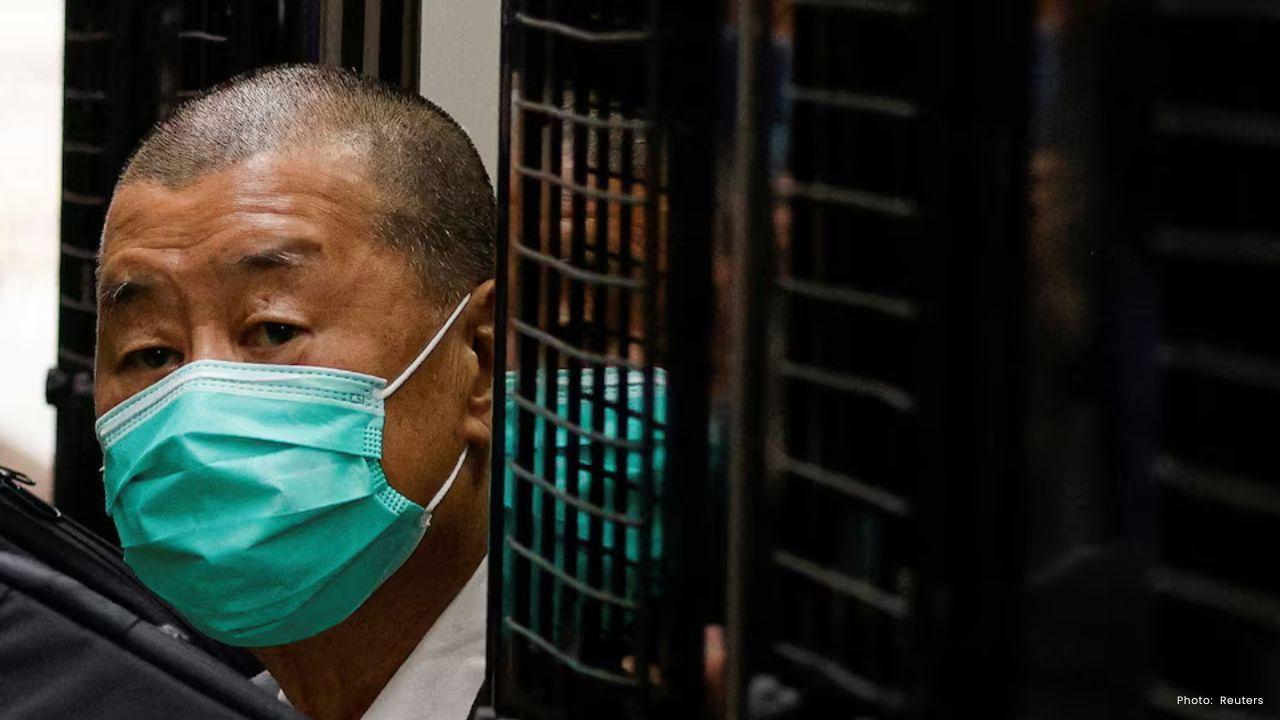
China has summoned senior Western diplomats in Hong Kong after their governments criticized the prison sentence given to media figure Jimmy Lai. The move shows rising tension between Beijing and Western countries over Hong Kong’s national security cases and the limits of foreign comment on them.
According to official statements, China’s foreign ministry office in Hong Kong called in the heads or senior representatives of missions from the United States, the United Kingdom, Australia, and the European Union. Officials said they expressed strong dissatisfaction and firm opposition to what they described as negative and irresponsible remarks about the court ruling. They urged these governments to respect China’s sovereignty and Hong Kong’s legal system and to stop interfering in internal matters.
The diplomatic protest came after a Hong Kong court sentenced Lai to 20 years in prison in a major foreign-collusion case under the national security law. The decision quickly drew criticism from several Western governments and rights groups. They raised concerns about civil liberties, press freedom, and the fairness of security-related prosecutions. Their public statements triggered a sharp response from Chinese authorities.
Beijing’s position is clear and consistent. Chinese officials say Hong Kong’s courts operate under the law and that national security cases must be handled without outside pressure. They argue that foreign governments should not comment on ongoing or completed legal cases because doing so may influence public opinion and weaken judicial independence. From their view, the national security framework is necessary to protect stability and prevent foreign influence in sensitive political matters.
Western governments see the situation differently. Many of them argue that Hong Kong once promised a high degree of autonomy and protection of basic freedoms. They worry that broad security laws can be used in ways that reduce open debate and discourage critical voices. Because of this, they say speaking out is part of their responsibility when they believe rights standards are at risk.
This clash is not just about one sentence or one individual. It reflects a deeper divide in how governments view sovereignty, law, and international responsibility. China stresses non-interference and national control over legal affairs. Western countries often stress universal rights and the importance of open criticism when they believe standards are not met. When these views collide, diplomatic friction follows.
Summoning envoys is a serious diplomatic step. It is used to send a formal warning and to show that a government considers an issue important. It does not break relations, but it signals anger and sets a firmer tone. Such actions can make future talks more difficult, especially when both sides repeat their positions strongly in public.
For Hong Kong, the global reaction matters because the city depends on international trust in its legal and financial systems. Court independence and clear legal rules are key to its reputation as a business center. Ongoing disputes between China and Western governments over legal cases may influence how outsiders view that environment.
The larger lesson is that legal judgments in politically sensitive cases often reach far beyond the courtroom. They shape foreign relations, public opinion, and policy debates. As long as national security and civil freedoms are both central concerns, disagreements like this are likely to continue.
#trending #latest #HongKong #JimmyLai #ChinaDiplomacy #NationalSecurityLaw #GlobalPolitics #ForeignRelations #PressFreedomDebate #Sovereignty #armustnews



Advances in Aerospace Technology and Commercial Aviation Recovery
Insights into breakthrough aerospace technologies and commercial aviation’s recovery amid 2025 chall

Defense Modernization and Strategic Spending Trends
Explore key trends in global defense modernization and strategic military spending shaping 2025 secu

Tens of Thousands Protest in Serbia on Anniversary of Deadly Roof Collapse
Tens of thousands in Novi Sad mark a year since a deadly station roof collapse that killed 16, prote

Canada PM Carney Apologizes to Trump Over Controversial Reagan Anti-Tariff Ad
Canadian PM Mark Carney apologized to President Trump over an Ontario anti-tariff ad quoting Reagan,

The ad that stirred a hornets nest, and made Canadian PM Carney say sorry to Trump
Canadian PM Mark Carney apologizes to US President Trump after a tariff-related ad causes diplomatic

Bengaluru-Mumbai Superfast Train Approved After 30-Year Wait
Railways approves new superfast train connecting Bengaluru and Mumbai, ending a 30-year demand, easi




