Post by : Amit
Beijing and Islamabad Strengthen Maritime Ties
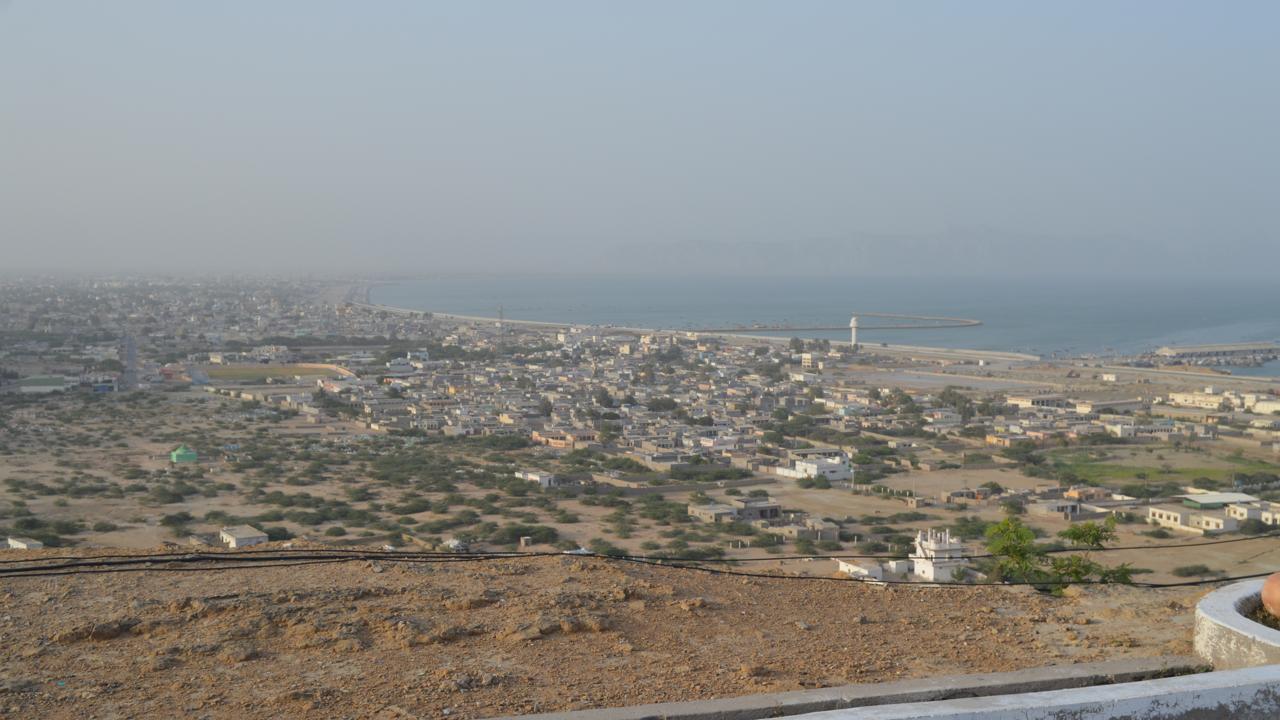
China and Pakistan have signed a new investment deal to accelerate development at Gwadar Port, the flagship maritime hub of the China‑Pakistan Economic Corridor (CPEC). The agreement, concluded in Islamabad this week, underscores both nations’ commitment to transforming Gwadar into a global logistics gateway despite regional security challenges and shifting trade dynamics.
Government officials from both countries described the agreement as a “new phase” of cooperation, aimed at expanding cargo handling facilities, upgrading digital port operations, and improving surrounding infrastructure to attract international shipping lines.
“This project is not only about building port infrastructure,” Pakistan’s Federal Minister for Maritime Affairs, Qaiser Ahmed Sheikh, said during the signing ceremony. “It is about creating jobs, developing industry, and positioning Pakistan as a critical link in global trade routes.”
What the Investment Covers
The new pact will fund advanced container terminals, automated cargo‑tracking systems, and enhanced security installations at Gwadar. According to officials familiar with the project, the deal also includes investment in road and rail links to connect the port more seamlessly with Pakistan’s hinterland and neighboring markets.
Chinese representatives from the China Overseas Ports Holding Company (COPHC), which operates Gwadar Port, confirmed that the financing package will modernize the port to handle greater volumes of bulk and containerized cargo. “Our goal is to make Gwadar fully competitive with regional hubs,” said COPHC Chairman Zhang Baozhong. “This is a long‑term strategic partnership that goes beyond infrastructure to include industrial cooperation.”
A Strategic Hub in CPEC’s Vision
Gwadar Port is central to CPEC, a multibillion‑dollar network of energy, transport, and industrial projects that form a cornerstone of China’s Belt and Road Initiative (BRI). Situated near the mouth of the Strait of Hormuz, Gwadar provides China with direct access to the Arabian Sea and reduces its reliance on longer shipping routes through the Malacca Strait.
For Pakistan, Gwadar promises to become a major driver of economic growth by boosting exports, attracting foreign direct investment, and creating special economic zones (SEZs) around the port. “Gwadar is Pakistan’s economic future,” Minister Sheikh said. “This investment shows China’s continued trust in that vision.”
Addressing Security and Operational Challenges
While Gwadar holds immense potential, the project has faced recurring challenges, including local security concerns, slower‑than‑expected industrial development, and delays in road and rail connectivity. Insurgents in Balochistan have repeatedly targeted Chinese workers and infrastructure projects, prompting Beijing to call for stricter security guarantees.
In response, Pakistan has deployed additional security forces and created a dedicated task force to protect CPEC projects. “Ensuring safety for foreign investors and workers is a top priority,” Sheikh emphasized. “We are implementing robust measures so development can proceed without interruption.”
Economic and Employment Impact
The new investment is expected to create thousands of jobs in construction, logistics, and port services. Local authorities have pledged to prioritize hiring from surrounding communities to ensure that Gwadar’s population directly benefits from development.
“This deal could be transformative for Balochistan,” said Dr. Huma Baqai, a Karachi‑based economist. “The region has long been marginalized, but Gwadar offers an opportunity to integrate it into global commerce. The challenge will be making sure economic gains are shared locally, not just nationally.”
Enhancing Digital and Green Port Operations
Beyond physical infrastructure, the agreement emphasizes modern digital port systems to streamline cargo processing and reduce delays. Automated scanning, AI‑driven logistics platforms, and real‑time vessel tracking are planned to make Gwadar a smart port aligned with global standards.
Environmental measures are also part of the design, with plans for renewable energy use and stricter waste management protocols. “This is not just a port expansion — it is a modernization effort that will meet future trade and environmental requirements,” Zhang said.
Regional and Global Trade Implications
The Gwadar Port expansion could reshape trade patterns across South Asia, Central Asia, and the Middle East. Analysts say the port has the potential to become a transshipment hub, serving cargo destined for landlocked Afghanistan, Central Asian republics, and even Western China.
“Gwadar gives China its first direct maritime outlet on the Arabian Sea, which has major strategic significance,” said Andrew Small, author of The China‑Pakistan Axis. “For Pakistan, it provides a route to diversify trade away from congested ports like Karachi and Port Qasim.”
The upgraded port could also attract investment from Gulf states seeking faster access to Asian markets. However, competition from other regional ports — including Iran’s Chabahar and the UAE’s Jebel Ali — means Gwadar will need to deliver high efficiency and reliable security to capture market share.
Financing and Long‑Term Commitment
While financial details were not disclosed, officials confirmed the investment is a combination of loans and equity funding from Chinese banks and port operators. Pakistan will also provide incentives, including tax breaks and special customs regimes, to accelerate port development and encourage shipping lines to use Gwadar as a primary docking point.
“This is a long‑term project with long‑term payoffs,” Dr. Baqai noted. “The full economic benefits will depend on complementary infrastructure — power supply, industrial zones, and transport corridors must grow in parallel.”
The Road Ahead for CPEC
This latest deal comes as CPEC enters what officials call its “second phase,” focusing on industrialization and trade facilitation rather than just power and road projects. Chinese firms are expected to invest in manufacturing clusters near Gwadar, producing goods for export through the port.
“This is where CPEC becomes truly transformative,” Minister Sheikh said. “We are not just building roads and ports — we are building industries, trade networks, and opportunities for millions of people.”
International Reactions and Strategic Concerns
The Gwadar expansion continues to attract scrutiny from regional rivals, particularly India, which views China’s presence in Pakistan’s ports with suspicion. U.S. officials have also expressed concerns about the strategic nature of Belt and Road projects, warning that Chinese investments could lead to unsustainable debt for developing countries.
Pakistan has dismissed such criticisms, insisting that Gwadar is a commercial project aimed at trade, not military use. “Our partnership with China is transparent and focused on development,” Sheikh said. “We welcome international investors from all countries who see the value in Gwadar’s growth.”
The new China‑Pakistan investment deal at Gwadar Port reinforces both countries’ determination to make the Arabian Sea hub a cornerstone of regional trade. By upgrading infrastructure, enhancing security, and introducing smart port technologies, Islamabad and Beijing are betting that Gwadar will emerge as a key logistics gateway connecting Asia, the Middle East, and Africa.
For Pakistan, the port represents hope for economic transformation and greater integration with global markets. For China, it secures a strategic maritime foothold and a faster route for energy imports and exports.
Whether Gwadar fulfills its promise will depend on how effectively Pakistan addresses local security issues, builds supporting infrastructure, and ensures that the benefits of development reach local communities.
As Zhang summed up during the ceremony: “Gwadar is more than a port. It is a vision for shared prosperity, linking our nations and connecting our economies to the world.”
China, Pakistan, Investment Deal, Gwadar Port



Advances in Aerospace Technology and Commercial Aviation Recovery
Insights into breakthrough aerospace technologies and commercial aviation’s recovery amid 2025 chall

Defense Modernization and Strategic Spending Trends
Explore key trends in global defense modernization and strategic military spending shaping 2025 secu

Tens of Thousands Protest in Serbia on Anniversary of Deadly Roof Collapse
Tens of thousands in Novi Sad mark a year since a deadly station roof collapse that killed 16, prote

Canada PM Carney Apologizes to Trump Over Controversial Reagan Anti-Tariff Ad
Canadian PM Mark Carney apologized to President Trump over an Ontario anti-tariff ad quoting Reagan,

The ad that stirred a hornets nest, and made Canadian PM Carney say sorry to Trump
Canadian PM Mark Carney apologizes to US President Trump after a tariff-related ad causes diplomatic

Bengaluru-Mumbai Superfast Train Approved After 30-Year Wait
Railways approves new superfast train connecting Bengaluru and Mumbai, ending a 30-year demand, easi




