Post by : Ramanpreet Kaur
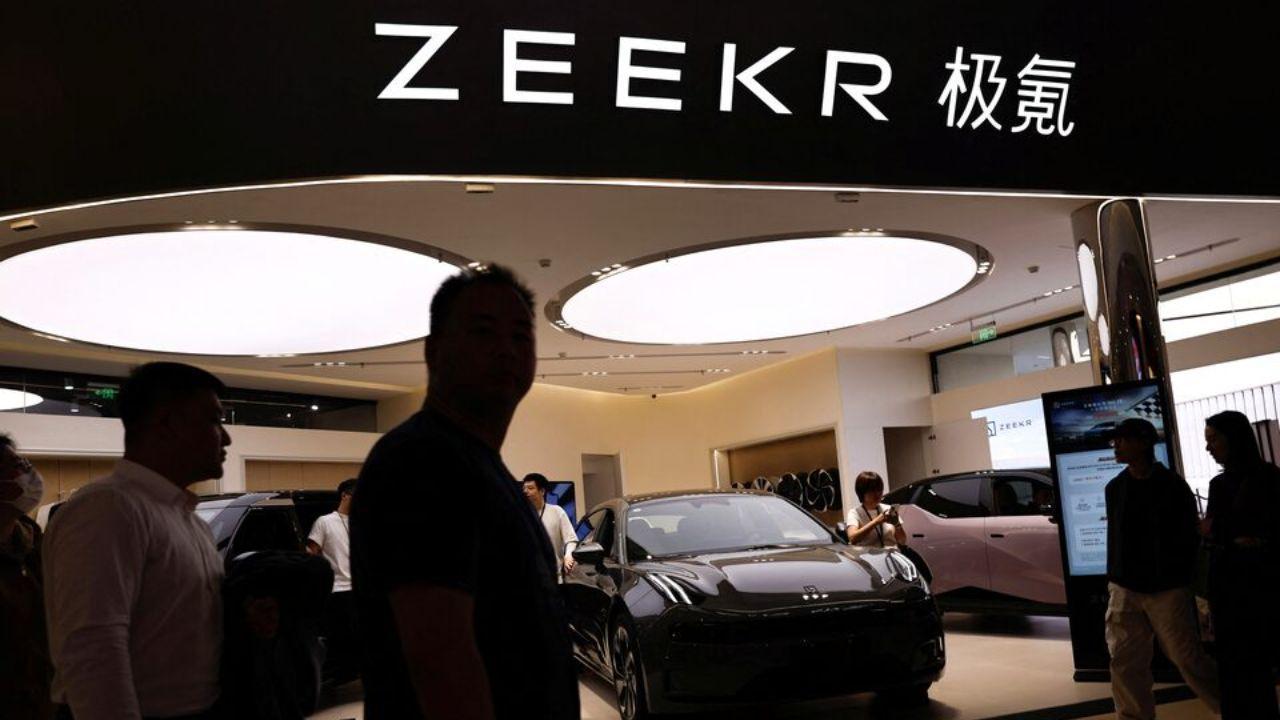
Photo:Reuters
China is making a major shift in how it powers its electric vehicles, moving away from nickel-manganese-cobalt (NMC) batteries and placing a much stronger focus on lithium iron phosphate (LFP) batteries. This decision could change not only the country’s electric car industry but also influence the global future of battery manufacturing.
For many years, NMC batteries were seen as the best option for electric cars. These batteries, made using nickel, manganese, and cobalt, can store a large amount of energy, giving cars longer driving ranges. That is why many car makers around the world preferred them. But NMC batteries also come with some serious problems. They are expensive to produce, rely heavily on rare minerals like cobalt, and can become dangerous under certain conditions. Concerns about overheating, safety risks, and high costs have made automakers and governments rethink their strategies.
On the other hand, LFP batteries are becoming more attractive. Although they store slightly less energy compared to NMC batteries, they have several advantages that make them a strong choice for mass-market electric cars. LFP batteries are safer, much cheaper, and can last longer without losing performance. They are less likely to overheat or catch fire, making them more reliable for everyday use. They also use materials that are more widely available and less damaging to source, reducing dependence on expensive and politically sensitive resources like cobalt.
China’s focus on LFP batteries reflects a wider change in the electric vehicle industry. Earlier, most companies were focused only on how far a car could drive on a single charge. Longer range was considered the main selling point. But now, priorities are shifting. Consumers are looking for affordable, safe, and durable vehicles that can handle daily travel needs without being too costly. LFP batteries fit this requirement perfectly.
By turning to LFP technology, China is positioning itself as a global leader in affordable electric cars. The country already produces more electric vehicles than any other nation in the world. With large-scale production of LFP batteries, China can cut down costs further and make EVs available to a much wider audience. This could bring down the prices of electric cars not only in China but also in other countries that import Chinese vehicles or battery technology.
Industry experts believe that this decision could set the direction for the next decade of electric vehicle growth. Factories in China are already scaling up their production of LFP cells, and as the numbers grow, economies of scale will make the technology even cheaper. Other countries and carmakers may be forced to follow the same trend if they want to stay competitive in the global market.
There are also environmental reasons behind this shift. Mining cobalt and nickel, the key elements in NMC batteries, often involves difficult working conditions, high costs, and environmental damage. By reducing the need for these materials, LFP batteries lower the pressure on global mining industries and create a more sustainable future for electric vehicles. They may not provide the same long-distance range as NMC batteries, but for most daily drivers—especially in cities—LFP offers more than enough power.
Automakers are already responding to this change. Some of the biggest electric vehicle companies are increasing their use of LFP technology in their lower and mid-range models. This makes EVs more affordable and easier to maintain for regular buyers, while NMC batteries may continue to be used in high-performance cars where maximum range is still important.
The rise of LFP batteries also signals a shift in how people think about electric mobility. It shows that the future of transportation may not be about creating luxury cars that can travel the farthest on a single charge, but about building millions of reliable and cost-effective vehicles that ordinary people can afford. This is crucial for the global fight against climate change. If electric cars are to replace petrol and diesel cars worldwide, they must be accessible to average families, not just the wealthy.
China’s choice highlights the country’s ability to shape the direction of entire industries. By betting big on LFP, China is showing the world that it wants to dominate the market not only with numbers but also with technology choices that suit mass adoption. As the world’s largest EV producer and consumer, its decisions will have a lasting impact on how the rest of the world adapts to cleaner transportation.
In the coming years, the competition between LFP and NMC will likely continue, with both technologies finding their place in the market. But the fact that China is pushing so strongly for LFP means that the balance is shifting. The lower price, higher safety, and longer life cycle of LFP batteries may outweigh their lower energy density, especially for the average consumer who simply wants an affordable and dependable car.
This change could also encourage more countries to rethink their policies. Governments aiming to promote electric mobility may support LFP production to make EVs more affordable for their citizens. Car makers in Europe, the United States, and other regions may also expand their use of LFP to keep up with China’s influence.
The transition from NMC to LFP batteries is more than just a technical shift. It represents a turning point in how the world sees the future of electric vehicles. Instead of chasing only performance, the industry is moving toward a balance of safety, cost, sustainability, and practicality. For China, this is not just about batteries—it is about securing leadership in the future of transportation.
As the global demand for clean energy solutions grows, this change will likely accelerate the spread of electric vehicles across the world. What is happening in China today could soon reshape the roads of tomorrow, with millions of drivers relying on safer, more affordable, and more durable battery technology.
China EV batteries



Advances in Aerospace Technology and Commercial Aviation Recovery
Insights into breakthrough aerospace technologies and commercial aviation’s recovery amid 2025 chall

Defense Modernization and Strategic Spending Trends
Explore key trends in global defense modernization and strategic military spending shaping 2025 secu

Tens of Thousands Protest in Serbia on Anniversary of Deadly Roof Collapse
Tens of thousands in Novi Sad mark a year since a deadly station roof collapse that killed 16, prote

Canada PM Carney Apologizes to Trump Over Controversial Reagan Anti-Tariff Ad
Canadian PM Mark Carney apologized to President Trump over an Ontario anti-tariff ad quoting Reagan,

The ad that stirred a hornets nest, and made Canadian PM Carney say sorry to Trump
Canadian PM Mark Carney apologizes to US President Trump after a tariff-related ad causes diplomatic

Bengaluru-Mumbai Superfast Train Approved After 30-Year Wait
Railways approves new superfast train connecting Bengaluru and Mumbai, ending a 30-year demand, easi




