Post by : Armust Desk
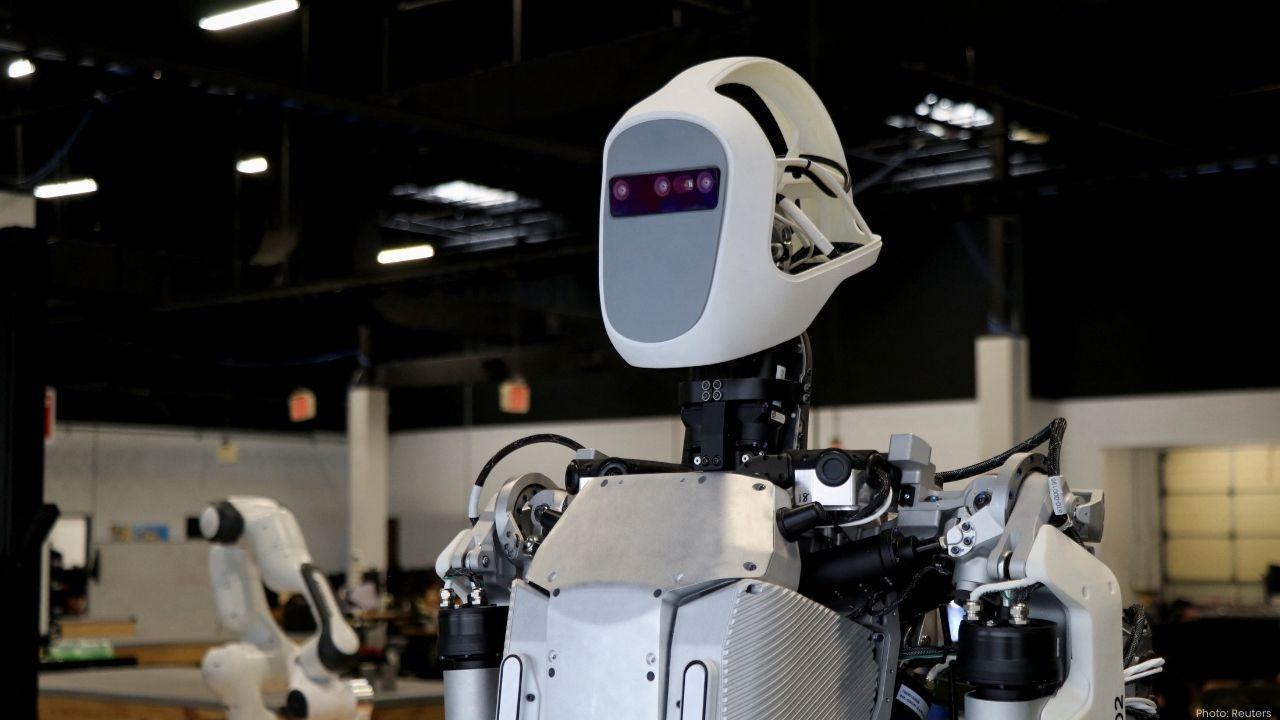
China is taking a bold step to transform its manufacturing industry with humanoid robots capable of performing tasks once done by human workers. These robots are more than just machines; they are designed to resemble humans in movements and behavior, capable of folding clothes, assembling products, handling materials, and even making sandwiches. This shift represents a major advancement in automation, aiming to address labor challenges and improve efficiency across multiple industries.
The Rise of Humanoid Robotics
Humanoid robots have been a concept in science and engineering for decades, but China is now bringing them into large-scale production. Companies like AgiBot and Unitree are pioneering this movement. AgiBot operates in Shanghai, where robots work long hours, continuously learning and improving their tasks. The data collected from these operations allows the robots to enhance their performance over time.
Unitree has shown off the versatility of humanoid robots by demonstrating their ability to run, jump, perform flips, and even play football. These performances highlight not only the technical capabilities of these robots but also their potential to perform complex tasks in real-world manufacturing settings.
Government Support and Strategic Importance
The Chinese government has recognized the importance of humanoid robots for the country’s economic and technological future. President Xi Jinping visited a leading robot production facility in Shanghai, emphasizing the strategic significance of these machines. During his visit, he humorously suggested that someday these robots might even play on the national football team. This mix of humor and seriousness reflects the national pride and ambition behind the project.
Government investment in humanoid robotics has been substantial. Over the past year, China has poured more than $20 billion into research, development, and deployment of these robots. This financial backing supports the country’s goal to remain a global leader in manufacturing, despite challenges like an aging population and growing international competition.
Addressing Labor Shortages
One of the main reasons for the push toward humanoid robotics is the labor shortage in China’s manufacturing sector. With over 123 million workers in the industry, China faces a declining workforce due to lower birth rates and an aging population. Humanoid robots can help fill this gap by taking on repetitive, physically demanding, and sometimes dangerous tasks.
Officials have stressed that the robots are designed to complement human workers rather than replace them. The idea is to create a collaborative workplace where robots handle routine tasks while humans focus on creative problem-solving and oversight. This approach not only improves productivity but also ensures workplace safety and reduces the risk of human error.
Economic Implications and Market Growth
The rise of humanoid robots is expected to have a major impact on China’s economy. As the robots become more widely produced, their cost is expected to decrease significantly. Experts predict that the price per unit will be cut by half within the next year, making these robots more accessible to a wider range of companies.
China’s humanoid robot market is projected to grow from approximately $377 million in 2024 to over $10 billion by 2029. This rapid expansion shows how quickly automation is becoming an integral part of the manufacturing sector. By adopting these robots, companies can improve efficiency, reduce costs, and maintain high-quality production standards.
Real-World Applications
Humanoid robots are already being used in practical ways across different industries. Major companies such as BYD and Geely have started deploying robots in their production lines for tasks like quality inspection, material handling, and assembly. These robots can work long hours without fatigue, perform repetitive tasks consistently, and reduce production errors.
The success of these early implementations is encouraging for other manufacturers considering automation. By integrating robots, companies can streamline operations, increase productivity, and remain competitive in the global market.
Technology and Training
The technology behind humanoid robots includes advanced sensors, machine learning, and precise movement control. Robots can detect objects, adapt to changes in their environment, and learn from previous experiences. This makes them highly versatile and able to take on tasks that require precision and consistency.
To ensure smooth integration into factories, human workers receive training to operate alongside robots. The goal is to create a balanced environment where humans and robots work together efficiently. This training includes safety procedures, monitoring robot performance, and programming tasks for the machines.
Future Prospects
The role of humanoid robots in manufacturing is expected to grow even further. As technology continues to advance, robots will be capable of performing an even wider range of tasks, from intricate assembly work to complex logistics management. Improvements in learning algorithms will allow them to adapt faster, making them even more valuable in industrial settings.
The long-term vision is for humanoid robots to become essential partners in factories, not just in China but around the world. Their ability to perform repetitive, dangerous, or precise tasks will free human workers to focus on creativity, planning, and innovation.
China’s investment in humanoid robotics is a clear indication of how seriously the country is taking automation and technological advancement. These robots are poised to address labor shortages, improve efficiency, and maintain China’s competitive edge in global manufacturing. The introduction of humanoid robots represents a major step toward a future where humans and machines work side by side, creating a more efficient, safe, and innovative manufacturing environment.
China, humanoid robots, manufacturing, automation, labor shortage



Advances in Aerospace Technology and Commercial Aviation Recovery
Insights into breakthrough aerospace technologies and commercial aviation’s recovery amid 2025 chall

Defense Modernization and Strategic Spending Trends
Explore key trends in global defense modernization and strategic military spending shaping 2025 secu

Tens of Thousands Protest in Serbia on Anniversary of Deadly Roof Collapse
Tens of thousands in Novi Sad mark a year since a deadly station roof collapse that killed 16, prote

Canada PM Carney Apologizes to Trump Over Controversial Reagan Anti-Tariff Ad
Canadian PM Mark Carney apologized to President Trump over an Ontario anti-tariff ad quoting Reagan,

The ad that stirred a hornets nest, and made Canadian PM Carney say sorry to Trump
Canadian PM Mark Carney apologizes to US President Trump after a tariff-related ad causes diplomatic

Bengaluru-Mumbai Superfast Train Approved After 30-Year Wait
Railways approves new superfast train connecting Bengaluru and Mumbai, ending a 30-year demand, easi




