Post by : Amit
A Circular Shift in Motion: Rethinking Lightweight EV Design for a Sustainable Tomorrow
The electric vehicle (EV) revolution is no longer just about battery range or charging networks. Increasingly, it’s about what happens before and after a vehicle hits the road. A groundbreaking EU-funded research project has spotlighted a new frontier in this journey—circular design principles applied to lightweight EVs, promising a holistic shift in how these vehicles are developed, used, and retired.
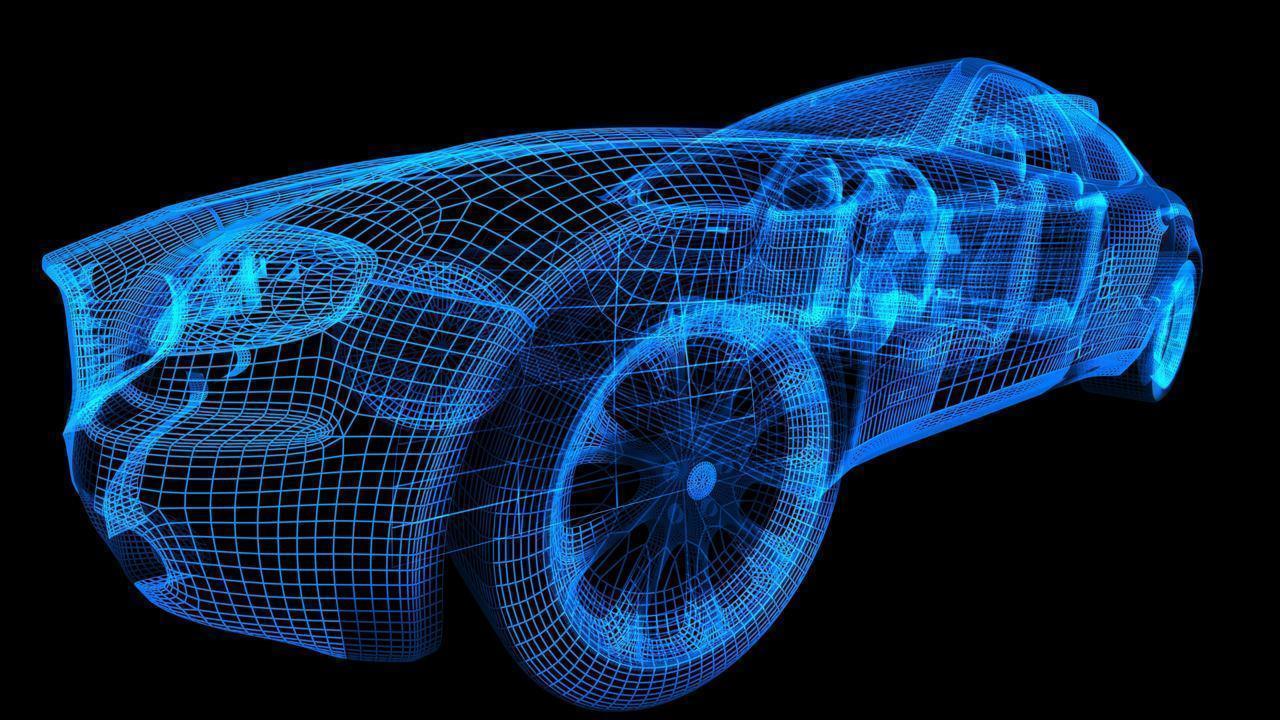
Known as the LIFE CYCLE project, this initiative explores how lightweight electric vehicles (L-EVs) can be designed from the ground up with circular economy values—focusing not only on reducing emissions during operation, but also minimizing environmental impact during production and end-of-life disposal. The project aims to close the loop in automotive design through modularity, recyclability, and innovative material use.
The results may not just influence how EVs are made in Europe, but could set a global benchmark for circular mobility systems that go far beyond the vehicle itself.
EVs Are Green, But Not Always Sustainable
Electric vehicles are widely praised for their environmental benefits—zero tailpipe emissions, reduced urban pollution, and lower long-term carbon footprints. But the production side of EVs, particularly in terms of battery manufacturing, lightweight composite materials, and complex electronics, often comes with a heavy environmental cost.
What’s more, today’s vehicles—EVs included—are not typically designed to be dismantled easily or recycled efficiently. Many parts, from the dashboard to wiring harnesses, are fused together in ways that make disassembly labor-intensive and costly, while composite materials pose their own recycling challenges.
The LIFE CYCLE project asks: Can we reimagine vehicle design from a circular lens, without compromising performance, affordability, or aesthetics?
LIFE CYCLE Project: A Vision of Circular Mobility
Launched under the EU’s Horizon 2020 research and innovation programme, LIFE CYCLE brings together experts from across engineering, materials science, mobility services, and sustainability domains.
At its core, the project focuses on three pillars:
Design for Circularity: Ensuring every component, from the chassis to upholstery, is made for disassembly, reuse, or recycling.
Lightweight Construction: Using innovative materials like bio-composites and low-energy alloys that reduce overall vehicle weight and improve energy efficiency.
Digital Twin Technology: Employing simulation and AI to optimize component life cycles, predict maintenance needs, and reduce waste across the value chain.
This systemic approach allows designers to create L-EVs that are not only light on the road, but also light on the planet.
Modular Construction: Building for the Second Life
One of the most compelling innovations in the LIFE CYCLE project is the development of modular vehicle structures. Rather than integrating vehicle systems into a monolithic form, L-EVs designed under this model are constructed in layers or sections that can be individually removed, upgraded, or replaced.
For instance, the battery pack is designed to be swappable—not just in terms of function, but also in terms of physical disconnection and remanufacturing. Likewise, seating, lighting, and internal electronics are standardized using a “plug-and-play” interface that allows quick repairs or repurposing.
This modularity reduces downtime, repair costs, and e-waste, while also enabling components to be reused across different models or even industries.
Smart Materials: From Landfill to Lifecycle
Another game-changing element of the LIFE CYCLE framework is the integration of sustainable materials, particularly bio-based composites, recycled plastics, and low-energy metals.
Materials selected for the project are vetted not just for strength and weight, but also for ease of recycling, non-toxicity, and carbon footprint during production. For example, panels made from hemp fiber composites provide a durable yet biodegradable alternative to traditional carbon fiber, while aluminum alloys are treated for multiple melt-recycle cycles.
Even adhesives and paints are chosen with end-of-life disassembly in mind. This approach ensures that every stage of the material lifecycle—from extraction to reuse—is considered, enabling a true “design-for-rebirth” ethos.
Digital Twins and Predictive Maintenance
To add a digital layer to the circular design philosophy, the project incorporates digital twin technology. This allows each vehicle to have a virtual replica, constantly updated with sensor data and use patterns.
From wear-and-tear monitoring to battery health diagnostics, digital twins enable:
By combining AI and IoT, this data-rich ecosystem contributes to longevity and smarter resource use, ensuring fewer premature vehicle retirements and lower environmental strain.
From Individual Vehicles to Urban Systems
The impact of the LIFE CYCLE project extends beyond the vehicle itself. Project architects envision a mobility ecosystem where L-EVs are part of a broader service-based model—used in shared fleets, integrated with public transport, and managed through intelligent logistics platforms.
This ecosystem-first approach supports the EU’s Green Deal goals and aligns with the vision of climate-neutral, resource-efficient cities. By making vehicles part of a circular economy, it becomes possible to:
In this future, owning a car might be less important than accessing mobility as a service, with circular L-EVs forming the backbone of urban transport.
A European Blueprint for Global EV Makers
The LIFE CYCLE project, while Europe-focused, sends a strong message to global automakers: Sustainability must start at the design desk, not just the exhaust pipe.
Many automotive OEMs in Asia and North America are investing heavily in EV battery tech and smart infotainment, but often neglect the recyclability or repairability of vehicle components. LIFE CYCLE offers an open-source model for rethinking these priorities.
Moreover, as regulations tighten—from the EU’s Extended Producer Responsibility laws to global ESG mandates—companies that embed circularity will gain a competitive advantage in both compliance and brand value.
Policy
Despite its success, the project faces real-world implementation hurdles:
To accelerate adoption, LIFE CYCLE researchers urge policymakers to:
From Green to Regenerative Mobility
What makes LIFE CYCLE remarkable isn’t just its engineering ingenuity, but its philosophical reframing of what a vehicle can be. It dares to envision cars not as disposable products, but as regenerative assets, born with their own end-of-life in mind.
As Europe pushes ahead on its climate ambitions, projects like LIFE CYCLE serve as blueprints for the next generation of EVs—vehicles that are light in weight, light on emissions, and light on the earth.
In a world where over 90 million vehicles are produced annually, embedding circularity into just a fraction of them could have planetary-scale impact. With LIFE CYCLE, that future is not only feasible—it’s already under construction.
Lightweight Electric Vehicles



Advances in Aerospace Technology and Commercial Aviation Recovery
Insights into breakthrough aerospace technologies and commercial aviation’s recovery amid 2025 chall

Defense Modernization and Strategic Spending Trends
Explore key trends in global defense modernization and strategic military spending shaping 2025 secu

Tens of Thousands Protest in Serbia on Anniversary of Deadly Roof Collapse
Tens of thousands in Novi Sad mark a year since a deadly station roof collapse that killed 16, prote

Canada PM Carney Apologizes to Trump Over Controversial Reagan Anti-Tariff Ad
Canadian PM Mark Carney apologized to President Trump over an Ontario anti-tariff ad quoting Reagan,

The ad that stirred a hornets nest, and made Canadian PM Carney say sorry to Trump
Canadian PM Mark Carney apologizes to US President Trump after a tariff-related ad causes diplomatic

Bengaluru-Mumbai Superfast Train Approved After 30-Year Wait
Railways approves new superfast train connecting Bengaluru and Mumbai, ending a 30-year demand, easi




