Post by : Amit
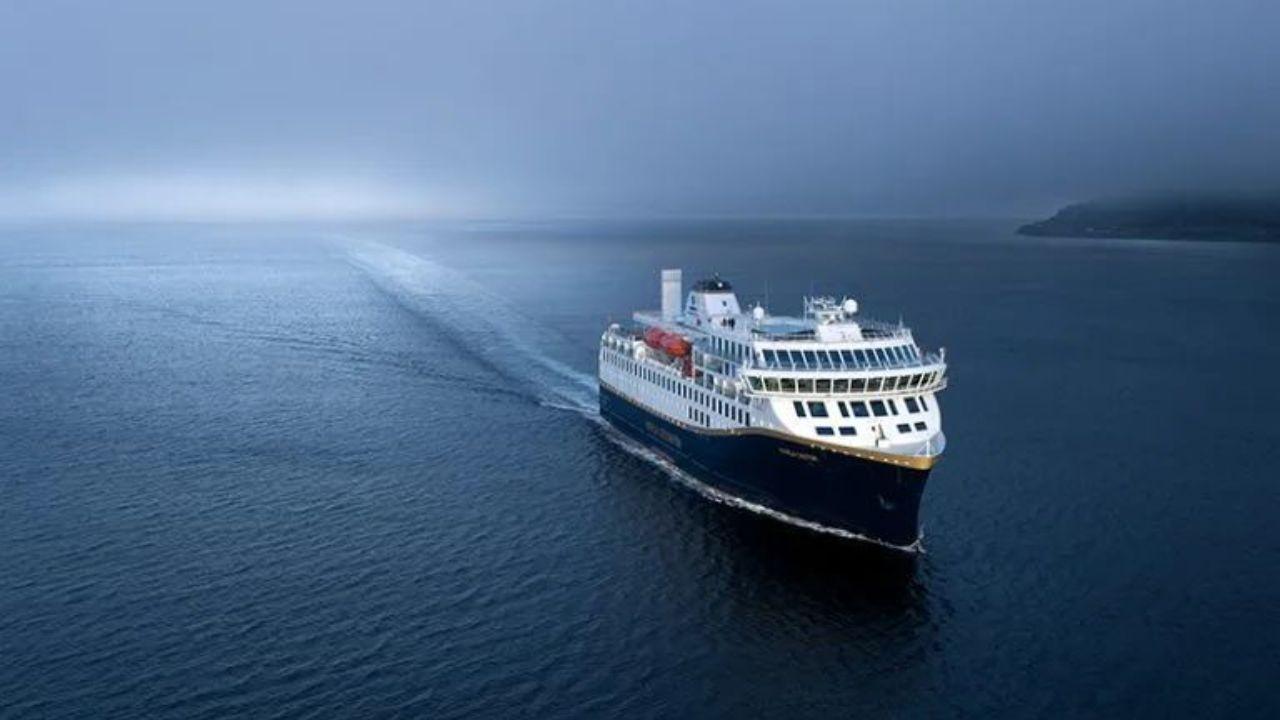
Photo : X / Cruise Industry News
A Bold Step Toward Climate-Neutral Cruising
This autumn, Havila Voyages will attempt what no coastal operator has done before: completing a full 5,000 nautical mile Norwegian coastal round trip that is entirely climate-neutral. The company plans to run its vessel on a combination of renewable biogas and powerful battery systems, presenting the world with a new standard for sustainable maritime travel. For Norway, a nation synonymous with fjords and shipping heritage, this journey represents both a technological milestone and a powerful symbol of its green ambitions.
Why This Voyage Matters for the Future of Shipping
The maritime industry has long been challenged to reduce emissions while maintaining efficiency. Traditional heavy fuels, once considered indispensable, now face increasing scrutiny as nations push for cleaner solutions. Havila’s project aims to demonstrate that climate-neutral operations are not a distant aspiration but an achievable reality today. By committing to a 5,000 nautical mile voyage powered exclusively by biogas and batteries, the company signals a shift from incremental environmental measures to bold, future-defining action.
Norway’s Coastline as a Testing Ground
The Bergen-to-Kirkenes round trip is more than just a scenic route—it is a demanding testbed for sustainability in real-world maritime conditions. Spanning over 34 ports and some of the world’s most dramatic fjords, the voyage exposes ships to varied weather, tidal changes, and logistical challenges. Completing this journey without reliance on fossil fuels will send a clear message to the global shipping community: climate-neutral cruising is possible even on the longest, most complex coastal routes.
The Role of Biogas in Maritime Sustainability
Central to the voyage is Havila’s decision to rely on renewable biogas, a fuel derived from organic waste that can cut emissions dramatically compared to LNG or diesel. Unlike conventional fuels, biogas closes the carbon loop by reusing emissions from natural processes. In maritime applications, it represents a bridge between today’s operations and the fully renewable energy systems of tomorrow. For Havila, securing enough biogas to power an entire round trip demonstrates both ambition and practicality, showing that the supply chain for sustainable fuel is steadily growing.
Batteries as the Backbone of Emission-Free Sailing
The other cornerstone of this project lies in the ship’s massive battery packs. Capable of delivering several megawatt-hours of power, these batteries allow the vessel to sail for hours at a time with zero emissions. They are particularly crucial in Norway’s fragile fjords, where strict environmental rules already limit emissions. By coupling biogas propulsion with batteries, Havila ensures flexibility: renewable gas provides the range, while batteries eliminate emissions in the most sensitive areas. This hybrid solution sets a template for future coastal and even ocean-going vessels.
A History of Innovation in the Fjords
This is not Havila’s first foray into sustainable milestones. The company previously demonstrated the capability to sail silently and emission-free through world heritage fjords for several hours at a time. These achievements were important precursors, proving that batteries could replace traditional fuel in shorter segments. The upcoming round trip elevates that experiment, scaling it to an entire long-haul itinerary. In doing so, Havila transforms a pilot project into a full demonstration of what tomorrow’s passenger shipping may look like.
Regulations Driving Maritime Change
Norway has already positioned itself at the forefront of sustainable maritime policies. Starting in 2026, ships under 10,000 gross tons will be required to operate with zero emissions in heritage fjords, with larger vessels facing similar mandates later in the decade. For operators, compliance is not optional—it is survival. By acting early, Havila not only secures compliance but also places itself as a leader in shaping the standards others will have to follow. The fall voyage is therefore both a compliance measure and a competitive advantage.
Engineering for Efficiency and Impact
Havila’s vessels were designed from the outset with energy efficiency in mind. Streamlined hulls reduce drag, while hybrid propulsion systems optimize fuel use. The integration of biogas engines with battery storage minimizes waste and maximizes operational flexibility. The net effect is a 90 percent reduction in nitrogen oxide emissions and a significant cut in carbon dioxide. These figures illustrate how targeted engineering can achieve environmental goals without sacrificing performance or passenger experience.
Tourism Meets Responsibility
Norway’s coastal voyages are not only a mode of transport but also a cultural experience, drawing thousands of tourists each year. However, the same breathtaking landscapes are under threat from climate change and pollution. Havila’s climate-neutral voyage allows passengers to experience Norway’s natural beauty without leaving a harmful footprint. It reframes maritime tourism as not just an indulgence but a responsible partnership with nature. In the long term, this approach may become a decisive factor in passenger choice, as travelers increasingly demand sustainable options.
A Message to the Global Shipping Industry
Havila’s initiative is not meant to be a solitary act. It is a challenge to the global shipping community to accelerate investment in sustainable fuels and technologies. If a coastal operator can complete a climate-neutral 5,000 nautical mile voyage today, larger operators on international routes can no longer claim that zero-emission goals are unrealistic. The precedent set in Norway could ripple outward, influencing how shipping companies, regulators, and even passengers view the future of maritime operations.
The Symbolism of a Climate-Neutral Round Trip
Beyond engineering and fuel supply chains, this voyage carries symbolic weight. It is a journey into the future, a live demonstration of how a shipping route steeped in history can adapt to modern imperatives. The Bergen-to-Kirkenes line has long been a lifeline for Norway’s coastal communities. To transform that route into a fully climate-neutral operation is to honor tradition while rewriting the narrative for the future. In that sense, Havila’s voyage is both a technical accomplishment and a cultural statement.
The Economic Logic Behind Sustainability
Skeptics may argue that climate-neutral voyages are too costly, but Havila’s plan shows the opposite may soon be true. With carbon taxes, stricter emissions rules, and rising passenger demand for sustainability, investing in biogas and batteries is not only environmentally sound but economically prudent. Early adopters will benefit from regulatory compliance, market differentiation, and operational efficiency. Over time, these advantages could outweigh the initial costs, making sustainability the most logical business decision.
Toward a New Era of Shipping
When the Havila vessel departs Bergen this fall, it will carry more than passengers—it will carry the weight of expectation from an entire industry. Every nautical mile powered by biogas and battery systems will be a reminder that climate-neutral shipping is no longer theoretical. It is happening here and now, on Norway’s coast. The outcome of this voyage will likely resonate far beyond Scandinavia, influencing maritime strategies across Europe, Asia, and the Americas.
Closing Reflections on a Historic Journey
In a few months, as the ship glides silently past fjords and fishing villages, its voyage will symbolize more than technical achievement. It will embody a collective choice to respect nature while embracing progress. Havila’s climate-neutral round trip proves that tradition and innovation can sail side by side. If this journey succeeds—and all signs suggest it will—it may well mark the beginning of a new chapter in maritime history, where ships no longer harm the seas they traverse but instead help safeguard them for generations to come.
Climate-neutral voyage, Biogas cruise, Havila Voyages



Advances in Aerospace Technology and Commercial Aviation Recovery
Insights into breakthrough aerospace technologies and commercial aviation’s recovery amid 2025 chall

Defense Modernization and Strategic Spending Trends
Explore key trends in global defense modernization and strategic military spending shaping 2025 secu

Tens of Thousands Protest in Serbia on Anniversary of Deadly Roof Collapse
Tens of thousands in Novi Sad mark a year since a deadly station roof collapse that killed 16, prote

Canada PM Carney Apologizes to Trump Over Controversial Reagan Anti-Tariff Ad
Canadian PM Mark Carney apologized to President Trump over an Ontario anti-tariff ad quoting Reagan,

The ad that stirred a hornets nest, and made Canadian PM Carney say sorry to Trump
Canadian PM Mark Carney apologizes to US President Trump after a tariff-related ad causes diplomatic

Bengaluru-Mumbai Superfast Train Approved After 30-Year Wait
Railways approves new superfast train connecting Bengaluru and Mumbai, ending a 30-year demand, easi




