Post by : Amit
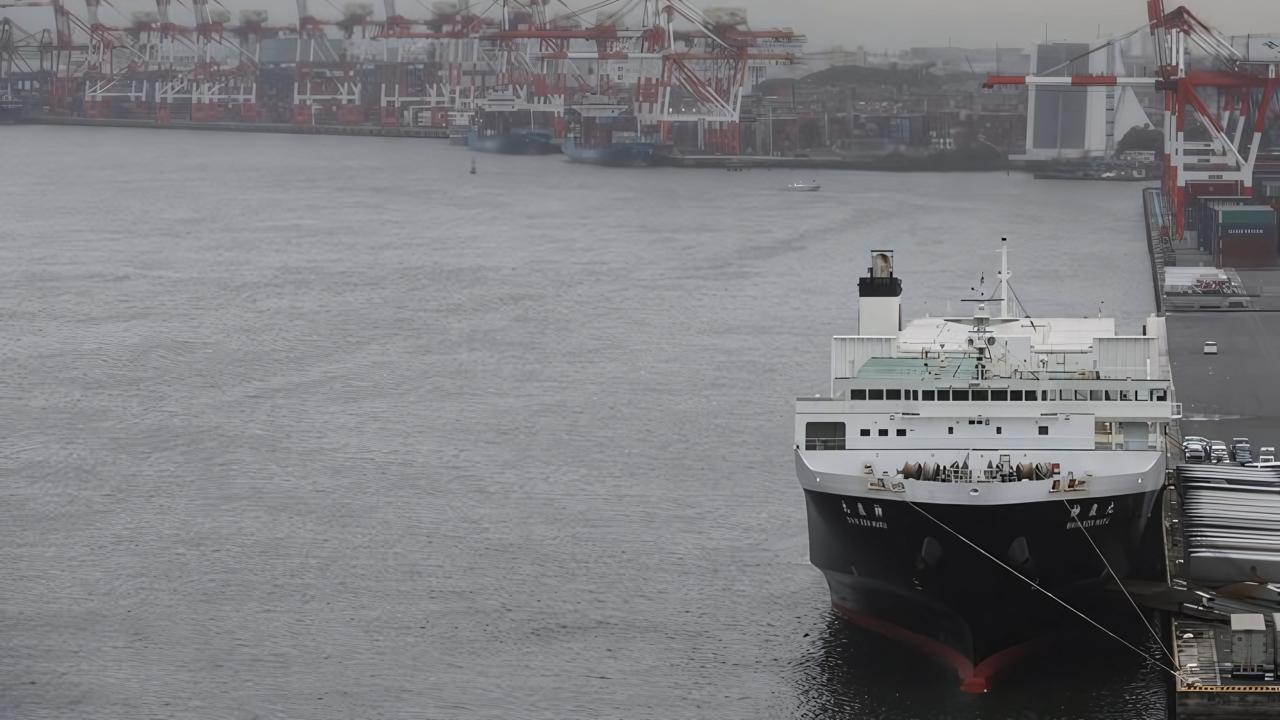
Photo: Reuters
A flicker of hope has returned to American shipyards. Global shipping giant CMA CGM has pledged to place newbuilding contracts in the United States — a move that could signal the beginning of a long-awaited revival in domestic ship construction. But industry veterans caution that the optimism is missing one key ingredient: detail.
The announcement, though welcomed, is light on specifics. CMA CGM has not revealed the number of vessels, the type, timeline, or which shipyard might be awarded the contracts. And in an industry driven by hard deadlines, steel-cutting dates, and tight supply chains, that vagueness is leaving many skeptical about what — if anything — is actually being revived.
The French carrier, among the world’s largest container shipping companies, made the declaration amid growing political and strategic pressure to support U.S. shipbuilding, which has steadily declined in capacity and competitiveness over the last few decades. While nations like China, South Korea, and Japan dominate the global newbuild market, American shipyards have largely been relegated to naval work and Jones Act coastal vessels — far removed from the scale and complexity of modern international containerships.
The timing of CMA CGM’s pledge is no accident. The U.S. government has been pushing for greater onshoring of critical maritime capabilities, citing national security concerns and the fragility of global supply chains — exposed dramatically during the COVID-19 pandemic. The CHIPS Act, infrastructure spending, and now a renewed look at maritime capacity are all part of Washington’s strategy to reclaim manufacturing prowess.
CMA CGM’s nod to U.S. shipyards is, in that sense, symbolic. It gives the impression of alignment with U.S. economic priorities. But without signed contracts or disclosed terms, it remains just that — symbolic.
Some experts see the move as a low-risk diplomatic gesture. “CMA CGM is very savvy politically,” noted one maritime analyst. “This could be a way of gaining goodwill with the U.S. administration — perhaps ahead of future policy negotiations or regulatory decisions.”
Even if the commitment is real, there’s a more sobering question: Can American yards build modern containerships to the same cost, speed, and technological spec as their Asian rivals?
U.S. shipyards are notoriously expensive and slow, largely due to a lack of economies of scale, limited access to global supply chains, and outdated infrastructure. The skills gap is another factor. As older shipbuilders retire, there’s a real concern about whether the next generation is equipped — or even interested — in taking up the torch.
To compete, yards would need massive investment in automation, design software, workforce training, and vertical integration. So far, no such overhaul has occurred — at least not on a national scale.
CMA CGM may indeed be testing the waters, placing small orders to evaluate American capabilities. If successful, that could open the door to deeper involvement. But until a firm order is signed and publicized, hope remains just a headline.
There is a genuine desire, both in the public and private sectors, to resurrect America’s shipbuilding strength — not just for military security, but for economic resilience and strategic independence. If CMA CGM follows through with actual contracts and shipbuilding commences on U.S. soil, it would be a historic milestone.
But for now, the shipping world is watching and waiting.
No steel has been cut. No names of yards have been named. And for the American shipbuilding industry — which has heard plenty of promises before — actions will speak louder than press releases.
Shipyards, American



Advances in Aerospace Technology and Commercial Aviation Recovery
Insights into breakthrough aerospace technologies and commercial aviation’s recovery amid 2025 chall

Defense Modernization and Strategic Spending Trends
Explore key trends in global defense modernization and strategic military spending shaping 2025 secu

Tens of Thousands Protest in Serbia on Anniversary of Deadly Roof Collapse
Tens of thousands in Novi Sad mark a year since a deadly station roof collapse that killed 16, prote

Canada PM Carney Apologizes to Trump Over Controversial Reagan Anti-Tariff Ad
Canadian PM Mark Carney apologized to President Trump over an Ontario anti-tariff ad quoting Reagan,

The ad that stirred a hornets nest, and made Canadian PM Carney say sorry to Trump
Canadian PM Mark Carney apologizes to US President Trump after a tariff-related ad causes diplomatic

Bengaluru-Mumbai Superfast Train Approved After 30-Year Wait
Railways approves new superfast train connecting Bengaluru and Mumbai, ending a 30-year demand, easi




