Post by : Amit
Photo : X / NewsEra
A Remote Flight Ends in Tragedy
A tragic aviation incident has struck Russia once again, as a regional aircraft operated by Angara Airlines crashed in the vast, sparsely populated territory of the Irkutsk region on July 21, 2025. The Antonov An-26, a twin-engine turboprop aircraft often used for utility and regional missions, went down in a remote mountainous area near the village of Olkhon—killing all six people on board. The plane, primarily on a technical mission, had been en route from Ulan-Ude in the Republic of Buryatia to Irkutsk, a key Siberian city, when it lost contact with air traffic control.
The crash has since launched a major investigation involving Russia’s Investigative Committee, the Ministry of Transport, and the Federal Air Transport Agency (Rosaviatsia). Initial reports suggest the aircraft may have encountered engine failure or navigational issues while traversing the challenging terrain of Siberia. However, experts believe deeper systemic safety issues could be at play.
The Aircraft: An Aging Workhorse
The Antonov An-26 is a familiar sight in Russian skies, especially in remote areas where rugged utility aircraft are essential. Developed in the Soviet Union in the 1960s and 1970s, the aircraft was originally designed for military and cargo purposes. Although production stopped decades ago, over 100 An-26 units remain in active civilian and military service across Russia and former Soviet states.
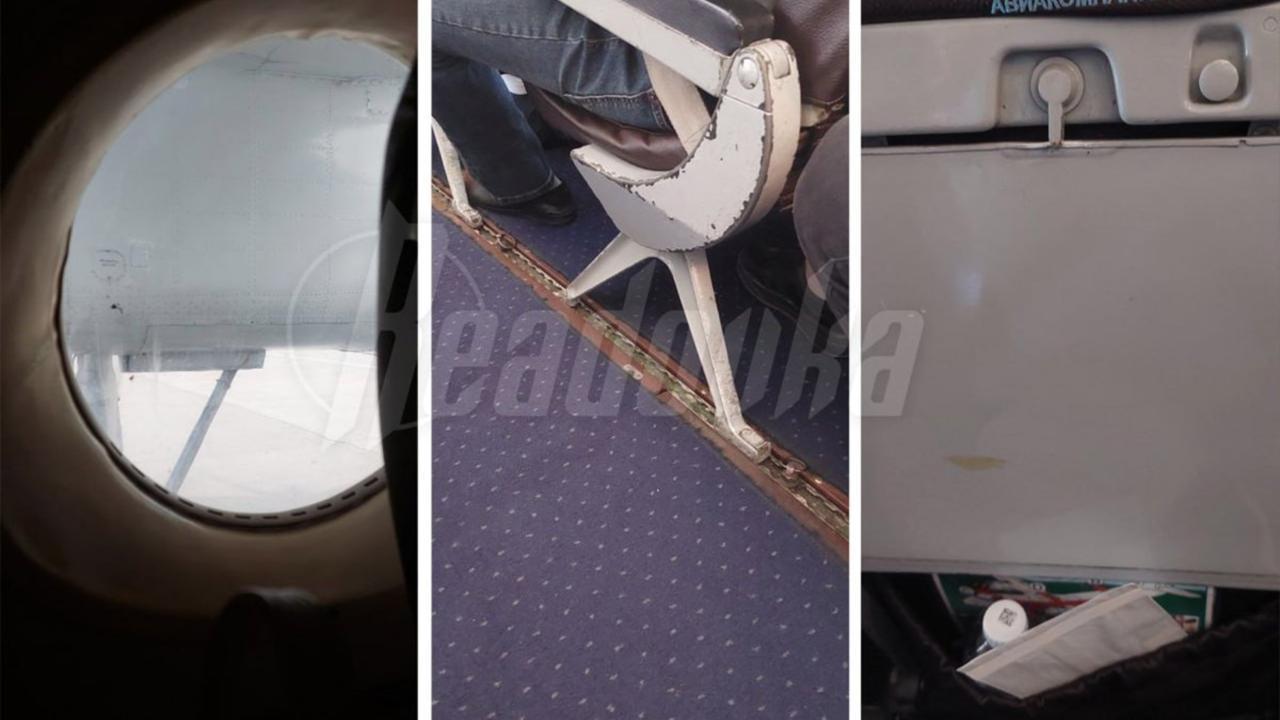
The aircraft involved in the crash was reportedly built in 1979. While Angara Airlines has not officially released the aircraft’s maintenance log or flight history, aviation analysts warn that flying such legacy aircraft without significant modernization or structural refurbishment carries considerable risk.
Angara Airlines, based in Irkutsk, has defended its safety record, stating that the aircraft had passed pre-flight inspections and was considered airworthy. However, mounting pressure from families of the victims and the public has forced both the airline and regulators to reckon with Russia’s reliance on aging aircraft, particularly in rural and underserved regions.
Search and Recovery in Harsh Terrain
Immediately after the aircraft dropped off the radar, a multi-agency search and rescue operation was initiated. Given the remote, heavily forested terrain and lack of accessible infrastructure near the suspected crash site, it took nearly 18 hours for search crews to locate the wreckage. According to officials, the plane crashed into a steep hillside, and the impact was so intense that it left little of the fuselage intact.
All six bodies were recovered by a team consisting of emergency responders, local authorities, and volunteers. The victims included two pilots, two aviation technicians, and two onboard engineers who were reportedly conducting technical monitoring work.
The black box (flight data recorder) and cockpit voice recorder have since been recovered from the site, providing investigators with critical information about the moments leading up to the crash. Preliminary decoding efforts are currently underway in Moscow, where aviation analysts hope to reconstruct the aircraft’s final moments.
Mounting Concerns Over Regional Aviation
The crash has sent ripples through Russia’s already challenged regional aviation sector. In vast areas of the country—such as Siberia and the Russian Far East—aviation is often the only viable mode of transport due to underdeveloped roads and railways. Yet these lifelines are increasingly under threat due to aging fleets, inadequate funding, and a shortage of skilled technical staff.
Experts have long criticized the Russian government for failing to sufficiently modernize its regional air transport infrastructure. According to Ivan Zlobin, a transportation safety analyst at the Russian Civil Aviation Research Center, “This crash reflects the structural neglect in regional aviation. These aircraft are not just outdated—they’re operating in one of the most challenging climates on Earth without modern navigational or redundancy systems.”
Recent sanctions following geopolitical tensions have only compounded the crisis. Western aircraft manufacturers have restricted spare parts shipments to Russia, limiting the ability of domestic airlines to upgrade or even maintain their aircraft at international safety standards. As a result, some airlines are turning to cannibalization—dismantling grounded aircraft to keep others flying—further increasing the risk of mid-air mechanical failure.
Investigation Underway, But Transparency in Doubt
Russia’s Investigative Committee quickly opened a criminal case under Article 263 of the Criminal Code, which pertains to violations of transport safety rules leading to the death of two or more people. As of now, investigators are reportedly examining possible violations in flight preparation, airworthiness certification, and pilot training.
However, critics argue that aviation investigations in Russia lack transparency. Past incidents have seen reports withheld or heavily redacted before being released to the public. Dmitry Klevtsov, an independent journalist who specializes in transport infrastructure, commented that “unless there’s international pressure or significant political will, we’re unlikely to get a full and unfiltered explanation for what caused this tragedy.”
Meanwhile, grieving families have expressed anger over how they were informed of the crash. Some claim they received the news through media outlets rather than official communication. Others lament the lack of psychological support or assistance from Angara Airlines in the immediate aftermath.
Industry Voices Demand Urgent Reform
The Russian Association of Regional Carriers has issued a public statement calling for an urgent audit of all aircraft built before 1990. They have also requested emergency funding for modernization, as well as fast-tracked approval for domestically produced aircraft like the Ilyushin Il-114-300 and Sukhoi Superjet 100, which are intended to replace older Soviet-era models.
Aviation veteran Andrey Sidorov told TASS that “Russia’s civil aviation won’t survive another decade if we keep patching up planes from the 1970s. What we need is a systematic transition—pilot retraining, modern aircraft, investment in ground infrastructure, and above all, safety culture.”
This incident is far from isolated. In the past five years, over a dozen accidents involving similar aircraft have been reported in Russia’s interior regions. Many of these accidents were chalked up to weather, pilot error, or engine trouble, but all point toward the same systemic vulnerabilities.
Global Implications and Possible Policy Change
The crash comes at a sensitive time for Russian aviation policy. The government had been pushing an ambitious aviation independence plan following sanctions, aiming to locally produce 1,000 aircraft by 2030. But with a limited industrial base and financing challenges, those plans have not translated into meaningful improvements on the ground.
Western nations and aviation safety bodies are watching closely. While Russia is no longer a member of many international aviation safety organizations due to sanctions, ICAO (International Civil Aviation Organization) is reportedly seeking to reinitiate dialogue with Russian aviation authorities over basic safety monitoring protocols.
Should the investigation reveal technical failure or maintenance shortcuts, it could set off a wave of grounded aircraft and compel regulators to fast-track the retirement of older platforms. For Angara Airlines, the fallout may include civil suits, license audits, and a damaged reputation that will take years to recover.
A Nation in Mourning—Again
This crash has reopened painful wounds in a country still grappling with the Ural Airlines emergency landing in 2023 and the deadly S7 Airlines incident of 2021. While no mass casualties were involved this time, the emotional toll is no less severe. For the people of Irkutsk and Ulan-Ude, the six lives lost represent not just personal tragedies but failures in the systems meant to protect them.
Funerals for the victims are being held this week, with government officials expected to attend and deliver public condolences. Yet for many Russians, words are no longer enough. What’s needed is accountability, transparency, and a genuine commitment to rebuilding a safe, modern aviation system.
Russia at a Crossroads
The Angara Airlines crash is not merely a transportation disaster—it is a wake-up call for Russia’s aviation sector. With outdated equipment, uncertain regulatory practices, and limited access to international technology, the country faces a pivotal moment. Either it embarks on a bold transformation plan or risks allowing these preventable tragedies to continue.
In the end, the choice lies with Russian leadership. The skies over Siberia may be wide and open—but without urgent reforms, they remain fraught with peril.
An-26 crash, Russian aviation accident, Angara Airlines crash, Siberia aircraft crash



Advances in Aerospace Technology and Commercial Aviation Recovery
Insights into breakthrough aerospace technologies and commercial aviation’s recovery amid 2025 chall

Defense Modernization and Strategic Spending Trends
Explore key trends in global defense modernization and strategic military spending shaping 2025 secu

Tens of Thousands Protest in Serbia on Anniversary of Deadly Roof Collapse
Tens of thousands in Novi Sad mark a year since a deadly station roof collapse that killed 16, prote

Canada PM Carney Apologizes to Trump Over Controversial Reagan Anti-Tariff Ad
Canadian PM Mark Carney apologized to President Trump over an Ontario anti-tariff ad quoting Reagan,

The ad that stirred a hornets nest, and made Canadian PM Carney say sorry to Trump
Canadian PM Mark Carney apologizes to US President Trump after a tariff-related ad causes diplomatic

Bengaluru-Mumbai Superfast Train Approved After 30-Year Wait
Railways approves new superfast train connecting Bengaluru and Mumbai, ending a 30-year demand, easi




