Post by : Saif
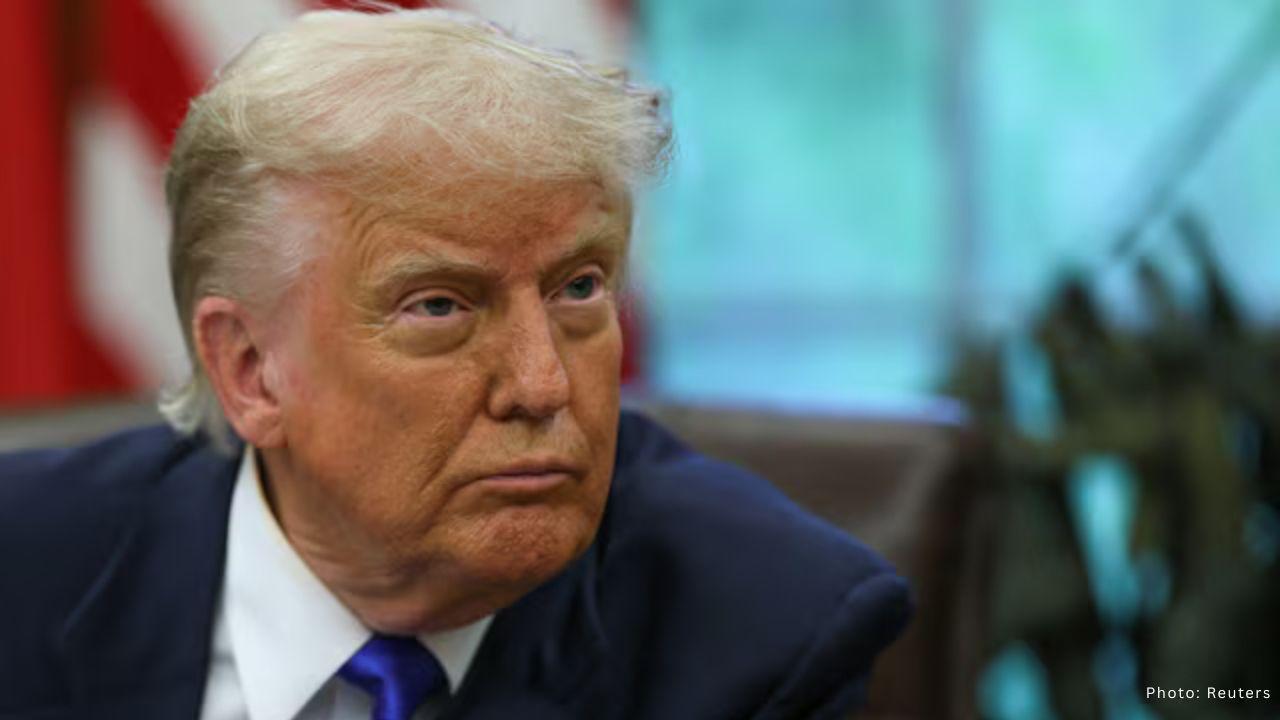
U.S. defense companies are seeking legal advice after President Donald Trump signed a new executive order that links company payouts to how fast weapons are delivered to the military. The move has caused concern across the defense industry, even though many experts believe the order may be hard to enforce.
The executive order, called “Prioritizing the Warfighter in Defense Contracting,” aims to stop defense contractors from focusing on profits while weapons production falls behind schedule. Under the order, companies that delay deliveries could face limits on dividends, share buybacks, and executive bonuses.
Defense firms say the order is unclear and may not stand up in court. Still, many companies fear the power of the administration and do not want to risk losing government contracts. As a result, executives are calling lawyers to understand how the order could affect their business.
Industry leaders say the biggest worry is not just legal trouble, but public image. When weapons are delayed during global conflicts, it becomes difficult for companies to justify high executive pay or large payments to investors. In this situation, the government holds a strong position in public opinion.
The White House defended the decision, saying the defense industry must put soldiers first. Officials said the order sends a clear message that military readiness matters more than short-term financial gains.
Some large defense firms have responded carefully. Lockheed Martin said it supports the focus on speed and accountability. L3Harris told employees that the moment demands more investment. Other major companies, including RTX, General Dynamics, and Northrop Grumman, have not shared public comments so far.
The order had an immediate effect on the stock market. Defense stocks fell sharply after President Trump criticized slow production on social media. Prices later recovered after he announced plans for a much larger defense budget, expected to reach $1.5 trillion by 2027.
Over the past year, top defense contractors paid around $8 billion in dividends and spent nearly $10 billion on buying back shares. If the order is enforced, these payments could be reduced, affecting investors and company leaders alike.
Legal experts say the government does not own shares in these companies and does not sit on their boards, which raises questions about how the rules can be enforced. Still, the order allows the Secretary of War to flag underperforming firms and demand quick action plans.
Many in the industry believe court cases could delay or weaken the order. Even so, the fear of contract penalties, payment delays, or termination is real. As one legal expert noted, companies may comply simply to avoid trouble, even if the rules are challenged later.
In the end, the order has created uncertainty across the defense sector. Whether or not it survives legal tests, it has already changed how companies think about profits, leadership pay, and their relationship with the U.S. government.
#trending #latest #DefenseIndustry #USPolitics #TrumpOrder #MilitarySpending #DefenseContracts #GlobalSecurity #armustnews



Advances in Aerospace Technology and Commercial Aviation Recovery
Insights into breakthrough aerospace technologies and commercial aviation’s recovery amid 2025 chall

Defense Modernization and Strategic Spending Trends
Explore key trends in global defense modernization and strategic military spending shaping 2025 secu

Tens of Thousands Protest in Serbia on Anniversary of Deadly Roof Collapse
Tens of thousands in Novi Sad mark a year since a deadly station roof collapse that killed 16, prote

Canada PM Carney Apologizes to Trump Over Controversial Reagan Anti-Tariff Ad
Canadian PM Mark Carney apologized to President Trump over an Ontario anti-tariff ad quoting Reagan,

The ad that stirred a hornets nest, and made Canadian PM Carney say sorry to Trump
Canadian PM Mark Carney apologizes to US President Trump after a tariff-related ad causes diplomatic

Bengaluru-Mumbai Superfast Train Approved After 30-Year Wait
Railways approves new superfast train connecting Bengaluru and Mumbai, ending a 30-year demand, easi




