Post by : Saif
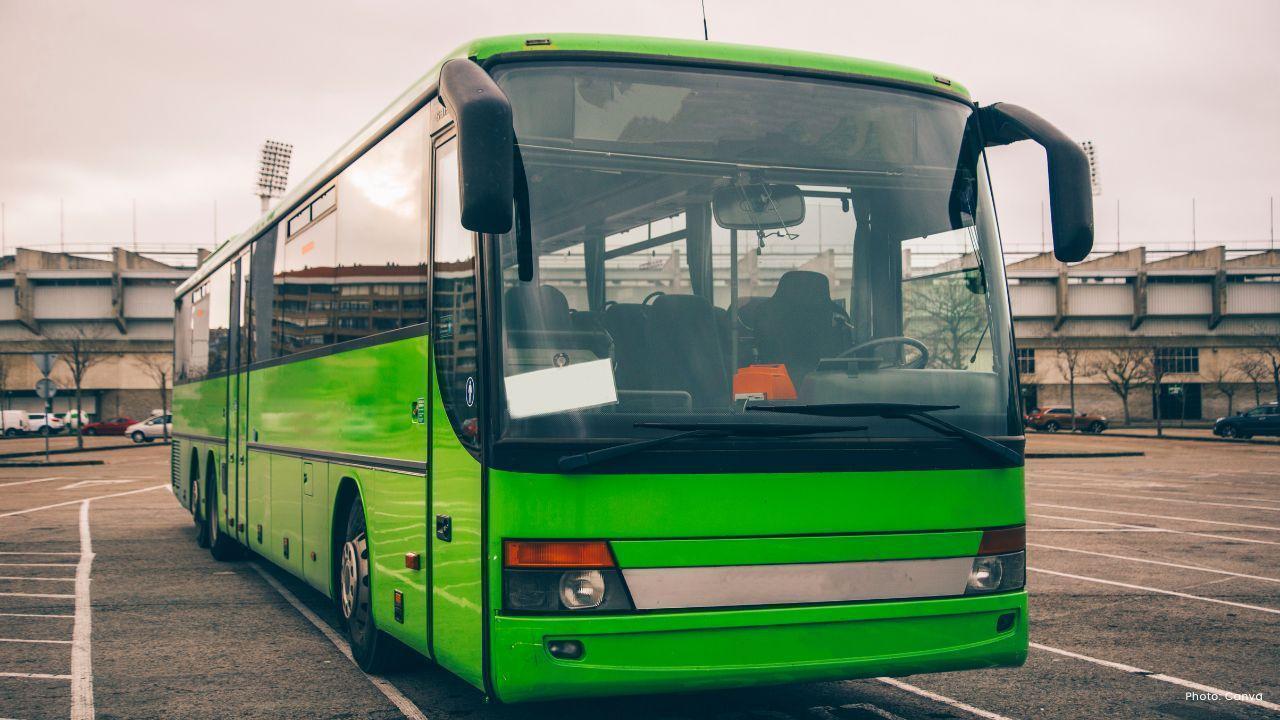
The Delhi government has announced a major plan to increase the city’s public bus fleet to 14,000 buses by March 2029. The move is aimed at reducing traffic congestion, cutting air pollution, and providing safer and more reliable public transport for millions of daily commuters in the national capital.
Chief Minister Rekha Gupta said the expansion of buses is a key part of Delhi’s long-term transport and clean-air strategy. She stressed that improving public transport is one of the most effective ways to reduce the number of private vehicles on the roads, which are a major cause of air pollution in the city.
According to the plan, the expansion will take place in stages. Delhi aims to have 6,000 buses by the end of 2026, followed by 7,500 buses by 2027. The fleet will then grow to over 10,000 buses by 2028, before finally reaching 14,000 buses by March 2029. This phased approach is meant to ensure smooth planning, funding, and deployment.
A key feature of the plan is the introduction of smaller buses for short-distance travel. These buses will operate in narrow lanes and residential areas where large buses cannot easily run. They will help people travel short distances, especially between homes, offices, and metro stations. This will improve last-mile connectivity and make public transport more convenient.
The expanded bus network will work closely with Delhi’s metro system. Authorities want buses to act as feeder services for metro stations so that people can complete their journeys without depending on private cars or bikes. Better coordination between buses and metro services is expected to save time and reduce travel stress for commuters.
The government is also focusing on cleaner transport. Many of the new buses are expected to be electric or low-emission vehicles. Alongside this, Delhi plans to increase the number of electric vehicle charging and battery-swapping stations across the city. This will support the wider shift toward electric mobility and help reduce harmful emissions.
Air pollution remains one of Delhi’s biggest challenges, especially during winter months. Transport emissions contribute heavily to poor air quality. Officials believe that a strong and reliable bus system will encourage more people to choose public transport, leading to fewer vehicles on the road and cleaner air over time.
Experts say the plan can bring real benefits if it is implemented properly. They note that simply adding buses is not enough. Routes must be well planned, buses must run on time, and maintenance must be strong. Public awareness and trust in the system will also be important for success.
If carried out effectively, the bus fleet expansion could transform daily travel in Delhi. It promises better connectivity, lower pollution levels, and a more sustainable future for one of the world’s most crowded cities.
#trending #latest #Delhi #PublicTransport #BusExpansion #CleanAir #UrbanMobility #DelhiNews #SustainableTransport



Advances in Aerospace Technology and Commercial Aviation Recovery
Insights into breakthrough aerospace technologies and commercial aviation’s recovery amid 2025 chall

Defense Modernization and Strategic Spending Trends
Explore key trends in global defense modernization and strategic military spending shaping 2025 secu

Tens of Thousands Protest in Serbia on Anniversary of Deadly Roof Collapse
Tens of thousands in Novi Sad mark a year since a deadly station roof collapse that killed 16, prote

Canada PM Carney Apologizes to Trump Over Controversial Reagan Anti-Tariff Ad
Canadian PM Mark Carney apologized to President Trump over an Ontario anti-tariff ad quoting Reagan,

The ad that stirred a hornets nest, and made Canadian PM Carney say sorry to Trump
Canadian PM Mark Carney apologizes to US President Trump after a tariff-related ad causes diplomatic

Bengaluru-Mumbai Superfast Train Approved After 30-Year Wait
Railways approves new superfast train connecting Bengaluru and Mumbai, ending a 30-year demand, easi




