Post by : Amit
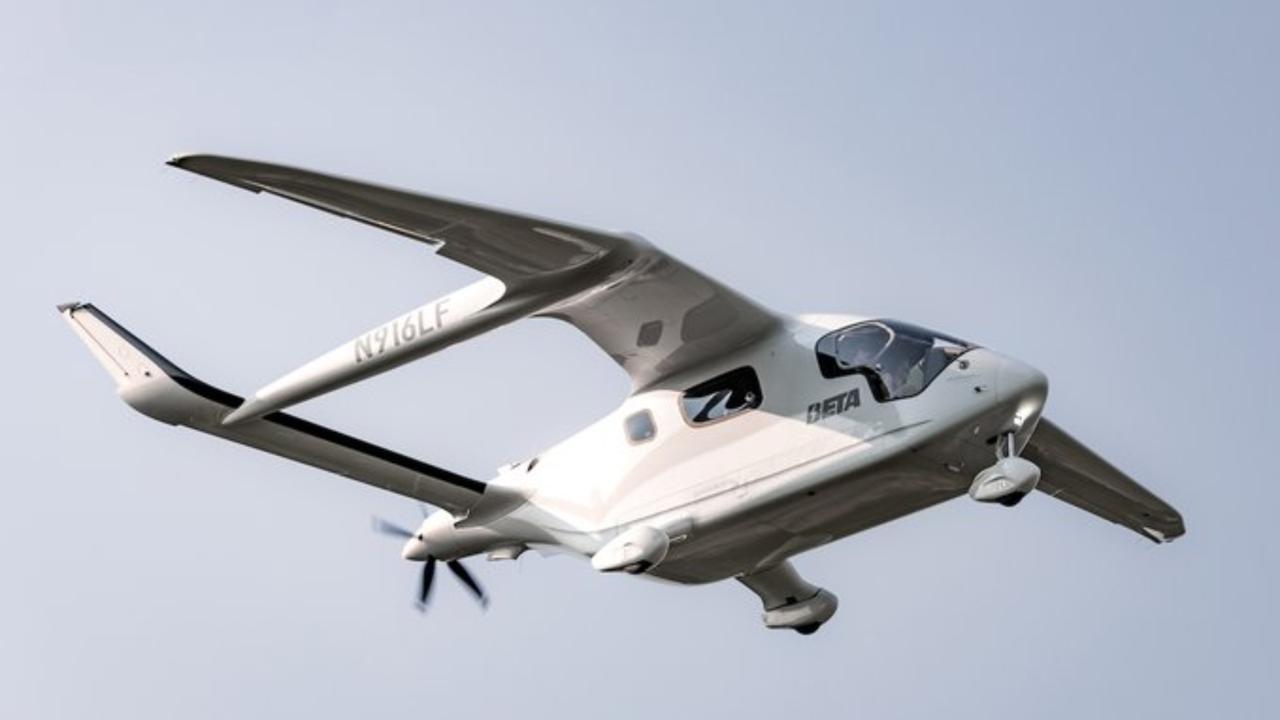
Photo : X / Skies-of-Glory
Denmark Takes Flight into the Future with All-Electric Domestic Journey
Denmark has officially completed its first 100% electric domestic flight. The milestone moment came as a test flight from Sønderborg to the island of Ærø was successfully executed using a battery-powered aircraft. This not only marks a pivotal breakthrough for Danish aviation but also sends a clear signal that regional air transport in the Nordic region is entering a new era—clean, quiet, and carbon-free.
The flight was operated by Danish carrier Alsie Express in partnership with the regional development initiative Ærø Municipality, and aircraft manufacturer Pipistrel. The test mission was a key part of the wider Green Transport Plan for Denmark, which aims to achieve carbon neutrality in domestic aviation by 2030. For Denmark, a nation of many islands and peninsulas, reliable regional air connectivity is vital—but doing so sustainably is now the top priority.
A Milestone Years in the Making
This groundbreaking flight didn’t emerge overnight. It’s the result of years of collaboration between aviation tech innovators, government planners, and sustainability advocates. The two-seater Velis Electro aircraft, manufactured by Slovenia-based Pipistrel, was used for the flight. Though it’s a small aircraft with limited range (approximately 50–70 minutes of flight time), it stands as a symbol of what’s to come.
The Velis Electro is the world’s first electric aircraft to receive full type certification from the European Union Aviation Safety Agency (EASA). It emits zero emissions during flight and operates at significantly lower noise levels than traditional fossil-fuel-powered planes. The Danish Transport Authority, along with Ærø EnergyLab and the EU-funded ELfly project, coordinated this milestone flight to validate operational capabilities and gather critical data.
Why the Flight Route Matters
The 50-kilometer journey between Sønderborg and Ærø may seem modest, but it’s one of Denmark’s most strategically symbolic regional connections. Ærø, a small island with strong green energy credentials, is known for its efforts in wind power, solar energy, and electric ferries. Connecting this island via air using a zero-emission aircraft is seen as the logical next step in Denmark's sustainability roadmap.
The flight, while largely ceremonial, demonstrated that short-haul domestic air routes—especially those serving remote or hard-to-access regions—could be electrified within the next few years. By leveraging existing small airports, clean energy infrastructure, and light aircraft technology, regional air travel in Denmark may soon offer frequent, zero-emission flights as a practical transport option.
Government and Industry Support Accelerates Progress
The Danish Ministry of Transport and Housing has thrown its support behind the transition to electric aviation. Minister for Transport Thomas Danielsen praised the flight as “a turning point in the way we think about mobility in Denmark.” He added that electrification of short domestic routes will soon become more than just a novelty: “It will be a necessity—environmentally, economically, and operationally.”
The Ærø test flight was financially supported by EU innovation grants, local green development funds, and contributions from the Danish Transport Authority. These partnerships form part of a growing public-private ecosystem focused on enabling electric aviation within the next five to seven years. Alongside government support, several Scandinavian companies are investing in electric aircraft fleets, charging infrastructure, and pilot training programs for future e-aviation missions.
The Road to Scaled-Up Electric Aviation
While the Velis Electro is currently certified only for flight training and demonstration purposes, efforts are underway to develop larger battery-electric aircraft for commercial passenger use. Multiple European aerospace startups—including Heart Aerospace in Sweden and Rolls-Royce's electric propulsion unit in the UK—are already working on 19- to 30-seat aircraft with an electric or hybrid-electric drivetrain.
Denmark’s test flight is being viewed as a crucial stepping stone toward those larger ambitions. For short-haul flights under 200 kilometers, electric propulsion has become technically viable, especially with rapid advancements in lithium-sulfur and solid-state battery technologies. The goal is to transition from two-seater trainers to commuter aircraft serving 20–50 passengers on regional routes within a decade.
Even major airlines like SAS and Widerøe have announced partnerships to explore electric aircraft for short Scandinavian hops. With a dense network of small airports and a population supportive of green tech, Denmark and its Nordic neighbors are poised to become global leaders in electric aviation.
Infrastructure and Policy Must Catch Up
Although the aircraft and ambition are in place, significant work remains on the infrastructure and policy front. Airports must be retrofitted with charging facilities, battery storage systems, and fire-safe hangars. Air traffic control systems must adapt to the lower speeds and unique characteristics of electric planes.
Regulators are also working to revise licensing and airworthiness standards for electric aviation. While initial focus is on smaller aircraft and short regional flights, experts agree that scaling the model to commercial viability will depend on favorable regulatory frameworks and cost-effective technology.
To this end, Denmark is collaborating with neighboring countries and EU aviation bodies to develop shared protocols for electric aircraft certification, route planning, and climate-impact auditing. The Green Flight Plan 2030 aims to electrify half of all domestic Danish flights by the end of this decade—a goal that now feels closer than ever.
Broader Implications for Nordic and European Aviation
Denmark’s breakthrough could ripple far beyond its borders. Other island-rich countries like Norway, Sweden, and Finland are also evaluating electric aircraft for regional connectivity. Given the European Union’s aggressive climate targets for aviation—currently the most carbon-intensive form of transport—electrification offers a viable path to compliance.
Moreover, Europe’s high population density and well-developed regional airport network make it an ideal testing ground for scalable electric aviation. The Sønderborg–Ærø flight proves that point-to-point service via small electric planes can supplement, and even replace, some ferry and road services, particularly for time-sensitive or remote travel.
Some experts suggest that if countries align their funding and regulatory efforts, the continent could see a commercial rollout of electric commuter flights by 2028. This would not only reduce emissions but also stimulate regional economies and create new aviation jobs—especially in pilot training, electrical maintenance, and battery systems engineering.
Public Response and Future Outlook
The Danish public has responded enthusiastically to the historic flight. Green advocates, regional leaders, and aviation enthusiasts alike have hailed the mission as both practical and inspirational. Local newspapers carried front-page coverage of the event, and social media buzzed with praise for Denmark’s commitment to climate innovation.
But industry leaders warn against overhyping the current capabilities of electric aircraft. Range, payload, and battery weight remain substantial technical hurdles. Nonetheless, incremental steps like these test flights help build public trust and attract investment in the technologies needed to overcome such barriers.
With its eyes on the skies and its feet firmly grounded in green policy, Denmark has made a powerful statement. The country is no longer just talking about sustainable aviation—it’s flying it.
Denmark Charts a Bold Course
Denmark’s first fully electric domestic flight may have lasted just under an hour, but its significance is immense. It demonstrates that climate goals in aviation are no longer abstract or futuristic—they are happening now. With a practical test completed and national support aligned, Denmark is positioning itself as a trailblazer in the electrification of flight.
As battery technologies evolve, regulatory landscapes adapt, and public-private investment grows, Denmark’s blueprint could become the model for zero-emission regional air travel across Europe and beyond. For now, it’s a small step for an aircraft—but a giant leap for clean aviation.
Denmark, Aviation, Electric Flight



Advances in Aerospace Technology and Commercial Aviation Recovery
Insights into breakthrough aerospace technologies and commercial aviation’s recovery amid 2025 chall

Defense Modernization and Strategic Spending Trends
Explore key trends in global defense modernization and strategic military spending shaping 2025 secu

Tens of Thousands Protest in Serbia on Anniversary of Deadly Roof Collapse
Tens of thousands in Novi Sad mark a year since a deadly station roof collapse that killed 16, prote

Canada PM Carney Apologizes to Trump Over Controversial Reagan Anti-Tariff Ad
Canadian PM Mark Carney apologized to President Trump over an Ontario anti-tariff ad quoting Reagan,

The ad that stirred a hornets nest, and made Canadian PM Carney say sorry to Trump
Canadian PM Mark Carney apologizes to US President Trump after a tariff-related ad causes diplomatic

Bengaluru-Mumbai Superfast Train Approved After 30-Year Wait
Railways approves new superfast train connecting Bengaluru and Mumbai, ending a 30-year demand, easi




