Post by : Amit
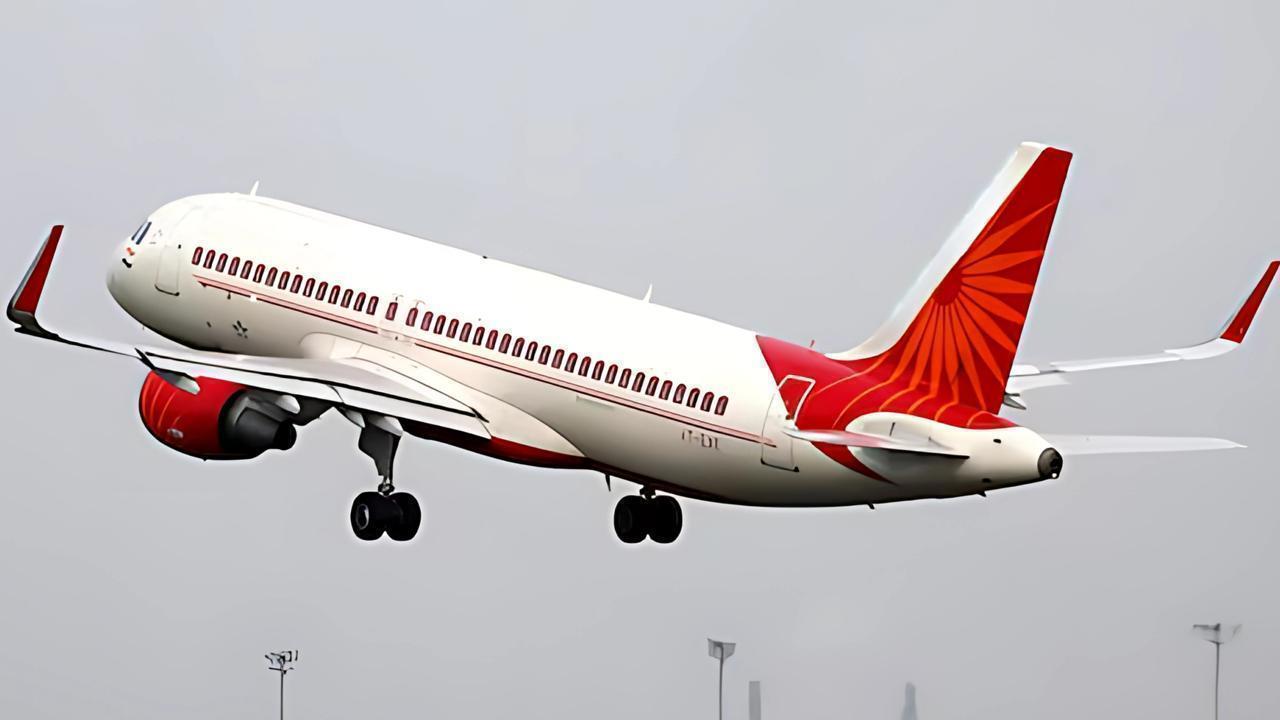
Photo: Reuters
New Delhi | June 2025 — In a decisive move aimed at strengthening the regulatory oversight of India’s dynamic aviation sector, the Directorate General of Civil Aviation (DGCA) has introduced a comprehensive "Special Audit Framework" designed to undertake a 360-degree evaluation of the country's aviation ecosystem. The initiative, unprecedented in scope and ambition, is expected to redefine the way safety, compliance, and operational efficiency are monitored across the industry.
This strategic reform comes amid a backdrop of heightened scrutiny of safety practices, following a series of aviation-related incidents and regulatory challenges faced by operators over the past two years. The DGCA’s new audit framework is both a response to these developments and a proactive measure to bolster public confidence in India’s rapidly expanding air transport network.
According to senior officials, the framework will go beyond conventional periodic inspections. It is designed as a layered mechanism that allows for systemic evaluation across all major stakeholders, including scheduled airlines, non-scheduled operators, maintenance and repair organisations (MROs), flying training institutes (FTOs), ground handling agencies, and airport operators.
“This is not just a compliance check,” said a senior DGCA representative, speaking on condition of anonymity. “It’s a top-to-bottom review of how aviation entities operate—how they maintain their fleets, train their personnel, manage risk, and respond to operational challenges. The aim is to ensure there are no blind spots.”
The audits are being rolled out in phases, with initial assessments already underway at several flying training organisations since late last year. The decision to begin with FTOs was informed by several recent incidents involving trainee pilots and outdated equipment at training schools. These cases raised alarm over the quality of pilot training, a foundational pillar of flight safety.
Following this, the framework will move on to evaluate the country’s scheduled airlines, several of which have witnessed rapid fleet expansions and newer route deployments in recent months. Concurrently, maintenance providers and ground handling services will be assessed for their adherence to best practices and documentation protocols.
The DGCA audit matrix spans several dimensions. It includes:
The approach is designed to reflect international best practices, drawing from methodologies employed by global aviation watchdogs such as the Federal Aviation Administration (FAA) and the European Union Aviation Safety Agency (EASA).
While the aviation community has broadly welcomed the framework, there are logistical and operational challenges anticipated. Industry representatives have raised concerns over the timing and intensity of audits, especially for smaller operators who may lack the resources to quickly adapt to stricter oversight protocols.
Nonetheless, the DGCA has maintained that the audits are consultative in nature and are being conducted with fairness and transparency. “The intent is not punitive,” an official emphasized. “We are working collaboratively with stakeholders to raise the bar for Indian aviation. This is about identifying gaps and working on them.”
The move is also seen as part of India’s broader ambition to elevate its global aviation standing. As Indian carriers expand into international markets and aviation hubs like Delhi and Mumbai evolve into global transit centers, regulatory rigor becomes not just a domestic requirement, but an international expectation.
Moreover, with India forecasted to become the third-largest aviation market in the world within the next five years, the timing of this framework aligns with broader infrastructure and policy transformations, including the development of new airports and implementation of airspace modernization programs.
DGCA Aviation Safety



Advances in Aerospace Technology and Commercial Aviation Recovery
Insights into breakthrough aerospace technologies and commercial aviation’s recovery amid 2025 chall

Defense Modernization and Strategic Spending Trends
Explore key trends in global defense modernization and strategic military spending shaping 2025 secu

Tens of Thousands Protest in Serbia on Anniversary of Deadly Roof Collapse
Tens of thousands in Novi Sad mark a year since a deadly station roof collapse that killed 16, prote

Canada PM Carney Apologizes to Trump Over Controversial Reagan Anti-Tariff Ad
Canadian PM Mark Carney apologized to President Trump over an Ontario anti-tariff ad quoting Reagan,

The ad that stirred a hornets nest, and made Canadian PM Carney say sorry to Trump
Canadian PM Mark Carney apologizes to US President Trump after a tariff-related ad causes diplomatic

Bengaluru-Mumbai Superfast Train Approved After 30-Year Wait
Railways approves new superfast train connecting Bengaluru and Mumbai, ending a 30-year demand, easi




