Post by : Amit
A Logistics Revolution: DHL’s Leap into Predictive IoT Maintenance
DHL is once again setting the benchmark for operational excellence. The company is rolling out an advanced IoT-based predictive maintenance system across its parcel sorting facilities, demonstrating how innovation in artificial intelligence and sensor networks can redefine operational efficiency.
This transformative move isn’t just a technological upgrade—it’s a philosophical shift. Predictive maintenance powered by the Internet of Things (IoT) gives logistics giants like DHL the ability to forecast failures before they happen, prevent costly downtime, and drastically improve the speed and reliability of parcel processing. As global shipping volumes continue to surge, these technologies are no longer optional—they’re essential.
From Reactive to Predictive: A Paradigm Shift
Traditionally, maintenance strategies in logistics have been either reactive, where action is taken only after failure occurs, or scheduled, where machines are serviced at regular intervals regardless of need. Both approaches have downsides: reactive maintenance causes unplanned downtime, and scheduled maintenance can be wasteful or miss unexpected issues.
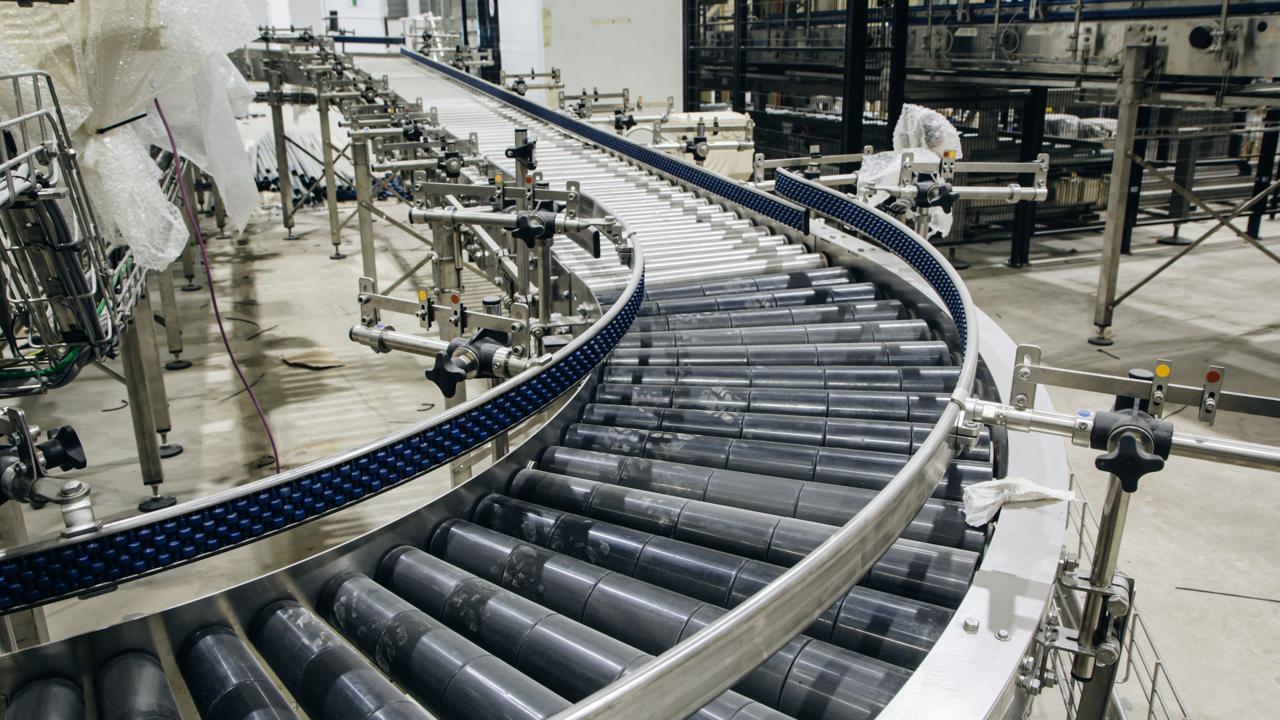
DHL’s IoT-based system introduces a smarter alternative—predictive maintenance. By collecting real-time data from sensors embedded in conveyor belts, sorters, and scanning systems, DHL can now anticipate problems based on performance trends. This means maintenance happens only when and where it’s actually needed.
Using predictive algorithms and machine learning, the system identifies patterns of wear, heat build-up, or misalignment well before a breakdown. This proactive approach ensures that issues are resolved during planned maintenance windows rather than disrupting daily operations.
The Core: IoT-Enabled Sorting Systems
At the heart of DHL's innovation are IoT sensors—tiny, durable, and strategically placed across the parcel sorting machinery. These devices collect various types of data, including:
All this data is streamed in real-time to a centralized digital platform powered by AI. From there, predictive analytics tools process the information, flagging anomalies that may indicate future failures.
The system isn't just responsive—it’s intelligent. By learning from historical breakdown data, it continuously improves its predictive capabilities, becoming more accurate with time. This results in smarter decision-making, fewer emergency repairs, and higher uptime.
Real-World Results: Efficiency at Scale
DHL has already piloted this technology in several of its parcel hubs. Early results are compelling:
These improvements go beyond numbers—they impact customer experience. Parcels are processed faster, fewer packages are delayed or misplaced, and customer satisfaction climbs.
Growing Demand for Hyper-Efficient Logistics
The urgency for innovations like predictive maintenance is amplified by the unprecedented demand in logistics. E-commerce continues to explode, next-day and same-day delivery expectations are becoming the norm, and logistics companies are under intense pressure to optimize every aspect of their operations.
Sorting centers are the backbone of modern logistics. A glitch in one machine can slow down an entire operation. DHL’s IoT-based strategy ensures that these critical nodes operate like clockwork, 24/7.
In competitive logistics environments, companies that can prevent breakdowns—rather than just react to them—stand a significant advantage. DHL’s predictive systems help ensure that reliability isn’t just a goal—it’s a guarantee.
AI as a Maintenance Partner
One of the standout features of DHL’s system is the integration of AI-driven decision-making. Unlike static rule-based systems, DHL’s maintenance AI learns over time, developing a nuanced understanding of what different failure modes look like.
For example, if a belt starts showing early signs of wear, the system doesn’t just alert a human operator—it can also schedule a low-traffic maintenance window, automatically order the necessary part, and alert the technician with clear diagnostic insights.
The use of digital twins—virtual replicas of the sorting systems—allows DHL engineers to simulate failure scenarios, test solutions, and validate maintenance strategies without disrupting actual operations. It’s like having a flight simulator for warehouse machinery.
A Scalable Model for the Future
DHL’s predictive maintenance approach is not just designed for its largest sorting hubs. The company is working on scaling the system down so that smaller facilities and local delivery centers can benefit from similar uptime advantages. This democratizes the power of predictive maintenance across DHL’s global network.
The company also plans to integrate edge computing at regional hubs—meaning data can be processed locally in near real time, without relying entirely on centralized cloud systems. This improves latency, reliability, and resilience, particularly in facilities with limited connectivity.
Environmental Impact and Sustainability
Beyond productivity, the system contributes significantly to DHL’s sustainability goals. Predictive maintenance reduces unnecessary part replacements and extends machine lifespan, which in turn cuts down on waste.
Additionally, better-maintained machinery consumes less energy and operates more cleanly, reducing the carbon footprint per parcel handled. For a company that processes millions of shipments daily, even minor efficiency gains can lead to significant environmental benefits.
This aligns with DHL’s broader “GoGreen” sustainability strategy, which targets zero-emissions logistics through smarter operations, green fuels, and cleaner infrastructure.
Workforce Empowerment and Training
While automation is central to this story, DHL emphasizes that the role of human technicians remains essential. In fact, predictive maintenance empowers the workforce.
Technicians now work more proactively, are less stressed by emergency breakdowns, and can access richer diagnostic data via tablets or wearable interfaces. DHL has launched training programs to help its engineers interpret predictive analytics and use digital tools to perform smarter interventions.
This approach reflects a larger trend in logistics—where humans and machines collaborate, not compete. By removing the repetitive and reactive tasks from maintenance, DHL is allowing its technical teams to focus on higher-value problem-solving.
Industry Implications: A Blueprint for Global Logistics
DHL’s move could set a precedent for logistics companies worldwide. The combination of IoT, AI, and predictive maintenance represents a scalable, sustainable model that enhances reliability and customer service.
It’s also likely to influence other sectors beyond logistics—such as airports, seaports, and manufacturing plants—where complex systems demand continuous uptime.
Governments, too, may view DHL’s success as a model for modernizing public postal networks or customs infrastructure, where delays can have both economic and political repercussions.
Despite its success, DHL’s journey with predictive maintenance isn’t without challenges. Data privacy, system security, and the high upfront cost of retrofitting older systems with sensors and smart components are all real concerns.
Moreover, in an environment where parcels move at lightning speed and operational windows are tight, integrating new technology without disrupting workflows requires meticulous planning.
DHL acknowledges these hurdles and is investing in cybersecurity, phased implementation, and cross-functional training to ensure a smooth transition. The company’s commitment to a long-term innovation roadmap shows that this isn’t just a short-term pilot—it’s a future-proof strategy.
Smarter, Safer, and Faster
As DHL rolls out predictive maintenance across its global network, the future of logistics becomes more resilient, intelligent, and customer-focused. This is more than a maintenance story—it’s about the digital transformation of a critical industry.
By fusing IoT sensors, AI algorithms, and human expertise, DHL is not just maintaining its equipment—it’s maintaining a competitive edge in a hyperconnected, ever-demanding world.
The age of guesswork is over. In its place stands a data-driven, predictive, and efficient model—setting a new global standard for what logistics in the 21st century should look like.
DHL, IoT-Based Predictive Maintenance, conveyors



Advances in Aerospace Technology and Commercial Aviation Recovery
Insights into breakthrough aerospace technologies and commercial aviation’s recovery amid 2025 chall

Defense Modernization and Strategic Spending Trends
Explore key trends in global defense modernization and strategic military spending shaping 2025 secu

Tens of Thousands Protest in Serbia on Anniversary of Deadly Roof Collapse
Tens of thousands in Novi Sad mark a year since a deadly station roof collapse that killed 16, prote

Canada PM Carney Apologizes to Trump Over Controversial Reagan Anti-Tariff Ad
Canadian PM Mark Carney apologized to President Trump over an Ontario anti-tariff ad quoting Reagan,

The ad that stirred a hornets nest, and made Canadian PM Carney say sorry to Trump
Canadian PM Mark Carney apologizes to US President Trump after a tariff-related ad causes diplomatic

Bengaluru-Mumbai Superfast Train Approved After 30-Year Wait
Railways approves new superfast train connecting Bengaluru and Mumbai, ending a 30-year demand, easi




