Post by : Amit
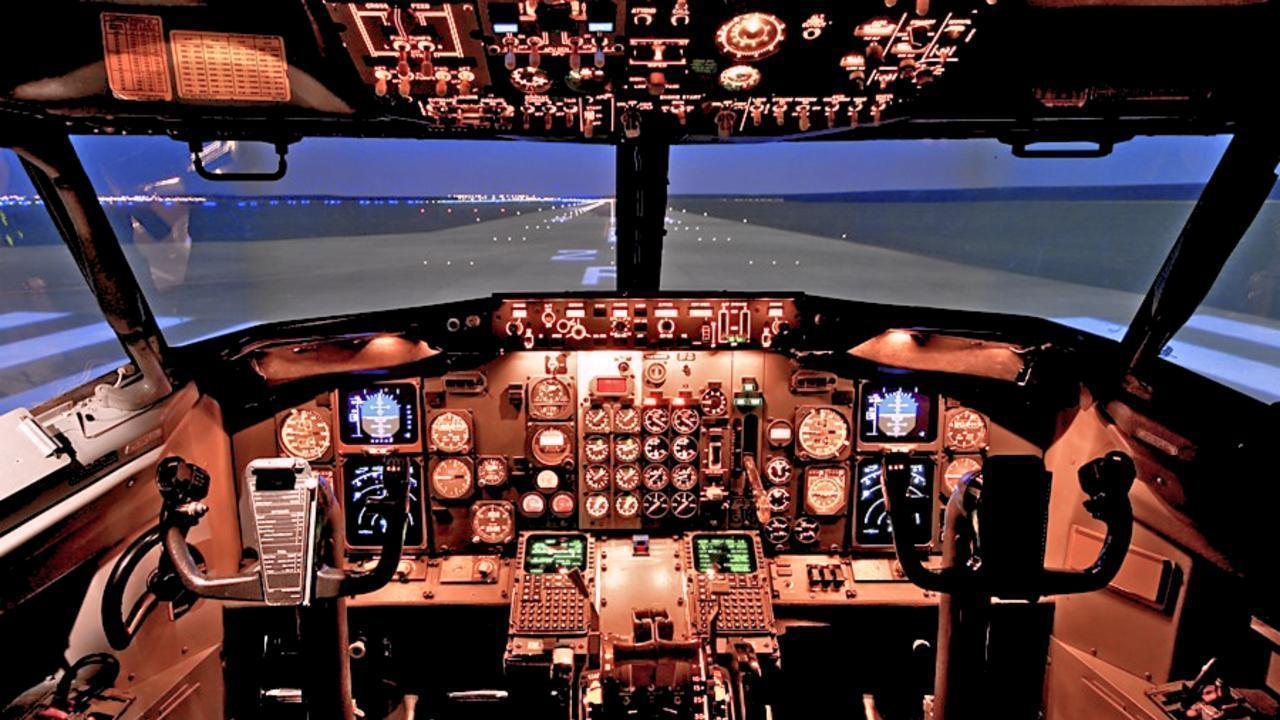
Photo: Linkdin/cockpitinnovation
The European Union Aviation Safety Agency (EASA) has officially begun a formal consultation on a pioneering idea: merging throttle control for multi-engine aircraft into a single-lever system. This marks a significant regulatory shift aimed at modernizing cockpit operations and aligning certification standards with cutting-edge engine control technologies.
What’s Behind the Move?
Why It Matters for Pilots & Manufacturers
Consultation Essentials
Open to all: Airlines, engine makers, pilot associations, academia—you name it—are invited to review the concept and offer feedback.
Technical focus areas:
How to manage redundancy if an engine fails.
Haptic feedback and mechanical safeguards to prevent over‑thrust.
Ensuring compatibility with auxiliary backup controls and emergency procedures.
Timeframe: EASA has set a structured schedule for responses before finalizing regulatory amendments.
What Could Change in Cockpits
You should care about EASA’s initiative on single-lever thrust control because it has the potential to significantly improve the entire aviation ecosystem—from aircraft design to passenger experience. For aircraft manufacturers, this marks a crucial step toward having a clear, unified regulatory framework for integrating modern engine control systems, particularly in next-generation aircraft such as electric, hybrid, and eVTOL models. With defined certification paths, manufacturers can reduce uncertainty during development, streamline engineering processes, and bring innovative designs to market more quickly and efficiently. For pilots, the shift to a single-lever system could lead to a simpler, more intuitive cockpit interface, reducing workload during critical flight phases and improving overall situational awareness. It also enhances safety by minimizing the chance of manual errors or miscoordination between engines. Finally, for passengers, the benefits, while indirect, are no less important. With better automation, safer flight control systems, and reduced pilot stress, travelers could experience fewer in-flight anomalies, more consistent flight performance, and a smoother, more reliable flying experience overall. This initiative represents a step forward in aligning aviation regulations with the technological realities of today and the innovations of tomorrow.
aircraft cockpit



Advances in Aerospace Technology and Commercial Aviation Recovery
Insights into breakthrough aerospace technologies and commercial aviation’s recovery amid 2025 chall

Defense Modernization and Strategic Spending Trends
Explore key trends in global defense modernization and strategic military spending shaping 2025 secu

Tens of Thousands Protest in Serbia on Anniversary of Deadly Roof Collapse
Tens of thousands in Novi Sad mark a year since a deadly station roof collapse that killed 16, prote

Canada PM Carney Apologizes to Trump Over Controversial Reagan Anti-Tariff Ad
Canadian PM Mark Carney apologized to President Trump over an Ontario anti-tariff ad quoting Reagan,

The ad that stirred a hornets nest, and made Canadian PM Carney say sorry to Trump
Canadian PM Mark Carney apologizes to US President Trump after a tariff-related ad causes diplomatic

Bengaluru-Mumbai Superfast Train Approved After 30-Year Wait
Railways approves new superfast train connecting Bengaluru and Mumbai, ending a 30-year demand, easi




