Post by : Amit
India's Highway Boom Demands Urban-Friendly Planning
As India’s ambitious highway expansion marches ahead, experts and urban transport planners are raising an urgent call for a more thoughtful, city-friendly approach to highway construction—one that takes into account the unique challenges of urban mobility, safety, and sustainability.
Bharatmala Pariyojana: Transforming India's Road Network
The ongoing wave of expressway and highway development under the Bharatmala Pariyojana has already transformed India’s road network, bringing unprecedented connectivity between cities, towns, and remote regions. However, as these high-speed corridors increasingly pass through or skirt around urban settlements, transportation experts say it is time for planners to rethink how highways interact with cities.
The Need for Urban Transport Planners in Highway Design
Speaking at a recent conference on urban mobility in New Delhi, leading town planners, transport researchers, and policy advocates stressed the need to involve dedicated urban transport planners in the design and execution of highway projects, particularly where such infrastructure intersects with densely populated towns and cities.
Balancing Speed and Safety: A Human-Centric Approach
“When highways pass through or near urban centers, the design cannot be purely about speed and vehicle movement,” said Professor Alok Sharma, an urban planning expert at IIT Delhi. “We need to think about pedestrian safety, local traffic patterns, public transport connectivity, and environmental impact. This requires specialized urban transport planning, not just highway engineering.”
Consequences of Poor Urban Integration
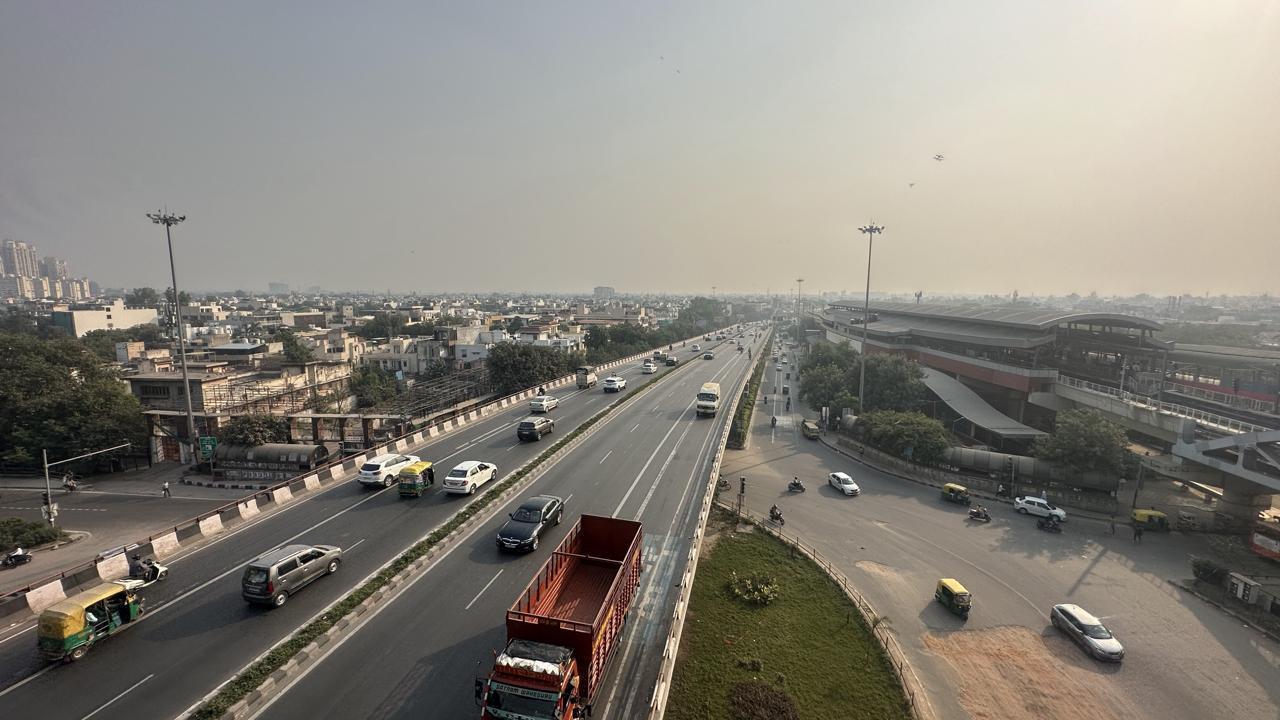
The absence of integrated planning has led to unintended consequences in recent years. In many Indian cities, highways slicing through urban areas have caused chaotic junctions, unplanned service roads, unsafe pedestrian crossings, and increased accident rates. In some cases, flyovers and expressways have divided neighborhoods, cutting off communities from essential services.
The Case for Holistic Highway Expansion
The need for a holistic approach is vital as India aims to add over 50,000 kilometers of new highways and expressways in the next decade, including landmark corridors like the Delhi-Mumbai Expressway, Ganga Expressway, and Chennai-Bengaluru Expressway.
The Missing Infrastructure: Pedestrian and Cycling Safety
One key challenge is the lack of dedicated pedestrian and cycling infrastructure along highways that pass through towns. In smaller cities, where two-wheelers, pedestrians, and slow-moving vehicles coexist with high-speed traffic, the risk of accidents is significantly higher.
Inclusive Design: Recognizing Diverse Mobility Needs
“Many highways are designed assuming everyone drives a car,” said Meera Joshi, an urban mobility consultant in Pune. “But in Indian towns, people walk, cycle, and use shared autos—if these behaviors aren't factored into design, we create dangerous road conditions.”
Current Measures and Their Limitations
The National Highways Authority of India (NHAI) has worked on upgrades like service lanes and pedestrian facilities. But experts argue these are often afterthoughts rather than core design elements.
Urban Congestion: A Daily Struggle
In cities like Jaipur, Lucknow, and Nagpur, where highways intersect with urban road networks, congestion at entry and exit points has become routine. Poorly managed traffic signals and lack of integration with public transport have negated many expressway benefits.
The Solution: Early Collaboration and Integrated Planning
Experts advocate early-stage collaboration between highway authorities and urban mobility experts. This ensures city master plans align with highway development, leading to better exit placement, integration with bus and metro systems, and provision of safe crossings.
Learning from Global Best Practices
Countries like Japan, Germany, and the Netherlands integrate urban planners into highway design to ensure that high-speed corridors harmoniously coexist with neighborhoods without compromising safety or quality of life.
India's Capacity Gap in Urban Planning
India's urban transport planning remains underdeveloped, with limited institutional capacity. Many municipalities lack resources or expertise to meaningfully engage with highway projects, often prioritizing speed over inclusivity.
Policy Recommendations: Mandating Urban Impact Assessments
Experts call for policy changes requiring urban transport assessments for every highway project affecting urban perimeters. These assessments would evaluate traffic impacts, safety risks, pollution, and mode integration before construction.
Government Response: Steps Toward Integration
The Ministry of Road Transport and Highways has acknowledged this need and is considering guidelines for mandatory multi-stakeholder consultation on urban-impacting projects. Implementation, however, remains uneven.
Recent Examples Highlight the Need for Change
The Delhi-Dehradun Expressway and Bengaluru Satellite Town Ring Road have both sparked resident concerns over displacement, green space loss, and poor connectivity—issues better addressed with early mobility planning.
A Growing Urban Challenge
With India’s urban population projected to reach 600 million by 2036, integrated transport planning is crucial. Without it, cities risk worsening congestion, higher accident rates, and unsustainable growth.
A Call for Human-Centric Highways
“Highways should serve people, not just vehicles,” said Sharma. “We must create networks that benefit everyone—urban, rural, and all in between—only then is it true progress.”
Prioritizing Livable Cities
For now, policymakers, planners, and civil society must ensure that infrastructure growth doesn’t come at the expense of livable, people-centric cities. The future demands thoughtful planning alongside concrete and asphalt.
Pedestrian, Highways, City



Advances in Aerospace Technology and Commercial Aviation Recovery
Insights into breakthrough aerospace technologies and commercial aviation’s recovery amid 2025 chall

Defense Modernization and Strategic Spending Trends
Explore key trends in global defense modernization and strategic military spending shaping 2025 secu

Tens of Thousands Protest in Serbia on Anniversary of Deadly Roof Collapse
Tens of thousands in Novi Sad mark a year since a deadly station roof collapse that killed 16, prote

Canada PM Carney Apologizes to Trump Over Controversial Reagan Anti-Tariff Ad
Canadian PM Mark Carney apologized to President Trump over an Ontario anti-tariff ad quoting Reagan,

The ad that stirred a hornets nest, and made Canadian PM Carney say sorry to Trump
Canadian PM Mark Carney apologizes to US President Trump after a tariff-related ad causes diplomatic

Bengaluru-Mumbai Superfast Train Approved After 30-Year Wait
Railways approves new superfast train connecting Bengaluru and Mumbai, ending a 30-year demand, easi




