Post by : Amit
Photo : X / MilitaryNewsUA🇺🇦
A fresh chapter in U.S. defense strategy
The U.S. defense establishment is moving with a rare sense of urgency. New details surrounding the Extended Range Active Missile (ERAM) program are painting a clear picture: America’s approach to cruise missile defense is accelerating at a pace that underscores both the rising threat and the pressing need for modern solutions. The revelations come at a time when global missile development is no longer confined to traditional powers, and the speed of technological evolution is forcing militaries to abandon drawn-out cycles of planning and execution. Instead, defense leaders are opting for fast-tracked weapons initiatives that prioritize agility, speed, and adaptability.
A weapon designed for the future battlespace
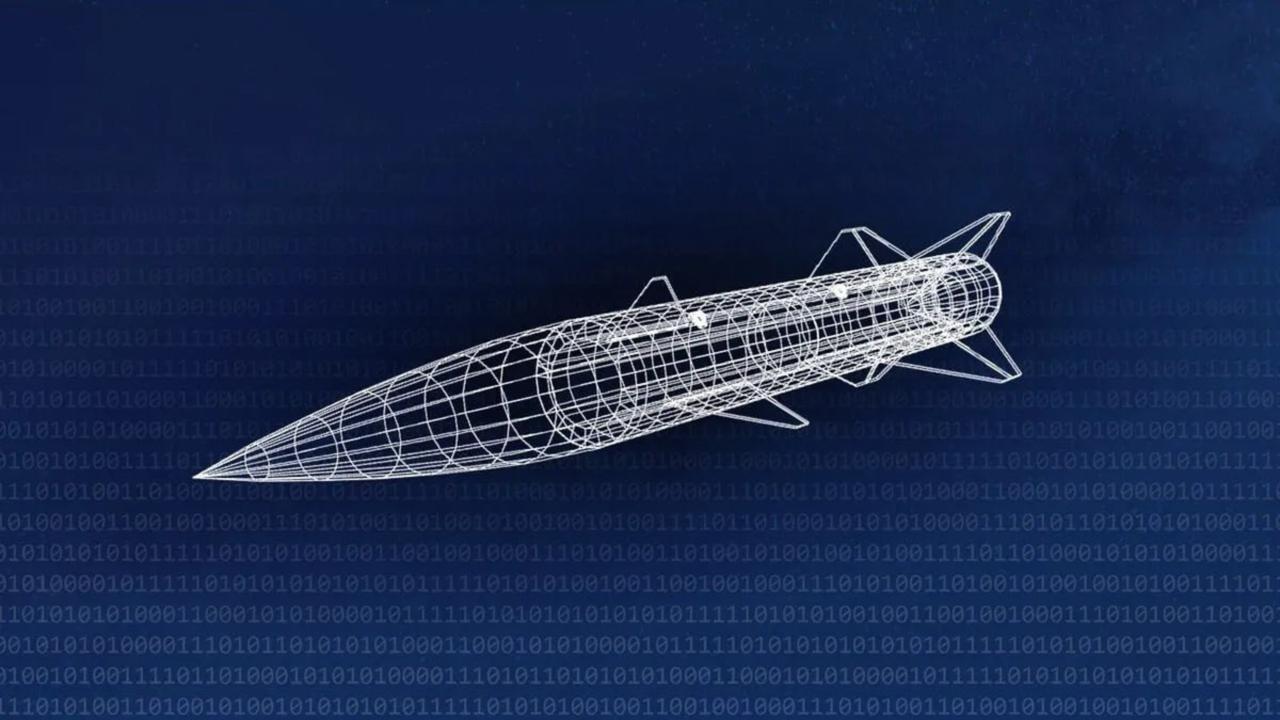
The ERAM is more than a technical upgrade; it represents a leap in how the U.S. envisions missile modernization. Built to address the deficiencies of current systems, it extends engagement ranges and adapts to a rapidly evolving spectrum of threats, particularly advanced cruise missiles that travel at low altitude, maneuver unpredictably, and are increasingly difficult to track with traditional radars. What makes ERAM stand out is its ability to integrate with existing naval and land-based defense systems, ensuring that investments already made in platforms like Aegis aren’t sidelined but instead amplified.
Shifting gears in development speed
Perhaps the most striking revelation is the speed of development. Traditionally, U.S. weapons programs have been bogged down by lengthy testing, bureaucratic layers, and shifting priorities. ERAM, by contrast, is moving forward under an accelerated timeline—one that reflects an urgency not seen since the Cold War. Defense officials appear to be taking cues from commercial innovation models, where iterative development and rapid prototyping take precedence over the perfectionist, decades-long programs of the past. The stakes are clear: adversaries are innovating faster, and if the U.S. does not match or exceed that pace, it risks fielding outdated defenses against cutting-edge threats.
Cruise missile threats at the doorstep
The need for a reimagined cruise missile defense system is no longer theoretical. From Europe to the Pacific, cruise missiles are becoming the weapon of choice for states seeking to project power or deter adversaries without triggering full-scale escalation. Their ability to fly under radar coverage, evade interception, and strike with precision has made them a central feature of modern arsenals. The U.S., with its global bases, carrier groups, and forward-deployed troops, is particularly exposed. ERAM is being shaped with this reality in mind—designed not as a luxury but as a necessity in protecting both homeland and overseas assets.
Technical highlights and adaptability
Although many details remain classified, experts suggest that ERAM’s standout feature is its extended engagement envelope. By stretching the range beyond existing interceptors, ERAM buys defenders more time to detect, track, and neutralize threats. This adaptability extends to its integration potential: ERAM is expected to mesh seamlessly with U.S. Navy destroyers and cruisers, while also offering ground-based deployment options for allied forces. The result is a versatile system that doesn’t lock users into a single theater or strategy but adapts across environments—from maritime chokepoints to land-based missile defense shields.
Strategic implications for U.S. allies
The development of ERAM is not just an American story. U.S. allies who rely on American missile defense frameworks stand to benefit from the system’s deployment. For nations in Europe and the Asia-Pacific, where cruise missile threats are intensifying, ERAM could provide an additional layer of security at a fraction of the time it would take to develop indigenous systems. Already, defense analysts are speculating on whether Washington will open ERAM for foreign military sales, following the pattern of other advanced missile systems like the Patriot and THAAD.
Balancing speed with sustainability
While the accelerated pace of ERAM development is welcome, it also raises questions about sustainability and oversight. Fast-tracked programs often face challenges when initial urgency fades and long-term funding must be secured. Defense experts warn that while agility is critical, cutting corners could leave blind spots in testing and validation. The Pentagon, for its part, insists that ERAM’s rapid progression does not mean compromised standards but rather a restructured development model that leverages modular design and existing technologies to shorten the cycle.
Industrial and economic impact
Beyond the battlefield, ERAM is poised to influence the U.S. defense industrial base. By demanding faster innovation cycles, the program is forcing contractors to rethink how they design, test, and deliver. Large defense primes and smaller subcontractors alike will be required to move in tandem with the Pentagon’s accelerated tempo. This could open the door for nontraditional players—tech startups, advanced material firms, and AI-driven sensor developers—to contribute, further blurring the line between military and commercial innovation. The ripple effect on jobs, supply chains, and technological spillover could be significant.
A response to near-peer competition
At its core, ERAM reflects the larger dynamic of near-peer competition. Both China and Russia have invested heavily in cruise missile technology, deploying platforms that pose direct challenges to U.S. forces. China’s DF-100 and Russia’s Kalibr series are just two examples of weapons designed to exploit gaps in American defenses. By fast-tracking ERAM, Washington is signaling that it recognizes the urgency of staying ahead in this technological contest. The system’s development is as much about reassurance—both to allies and to domestic audiences—as it is about deterrence.
The road ahead
The coming months will be crucial. As ERAM moves from design to testing and, eventually, to fielding, the program will be closely scrutinized for its ability to deliver on its promises. Success could redefine how the U.S. approaches missile defense development, setting a template for other programs to follow. Failure, however, would not only waste resources but also signal to adversaries that America’s urgency cannot translate into effective capability.
The unveiling of new details about ERAM is more than a technical update; it is a window into how the United States is adapting to a rapidly shifting security environment. In an era where missiles are faster, smarter, and harder to stop, the old playbook no longer applies. ERAM represents a bold attempt to write a new one—one that acknowledges the realities of the modern threat landscape while embracing a model of development that matches the urgency of the moment. The question now is whether this balance of speed and precision can hold. If it does, ERAM could become not just a missile interceptor but a symbol of how America intends to meet the challenges of twenty-first-century defense.
Cruise missile defense, Missile modernization, Fast-tracked weapons



Advances in Aerospace Technology and Commercial Aviation Recovery
Insights into breakthrough aerospace technologies and commercial aviation’s recovery amid 2025 chall

Defense Modernization and Strategic Spending Trends
Explore key trends in global defense modernization and strategic military spending shaping 2025 secu

Tens of Thousands Protest in Serbia on Anniversary of Deadly Roof Collapse
Tens of thousands in Novi Sad mark a year since a deadly station roof collapse that killed 16, prote

Canada PM Carney Apologizes to Trump Over Controversial Reagan Anti-Tariff Ad
Canadian PM Mark Carney apologized to President Trump over an Ontario anti-tariff ad quoting Reagan,

The ad that stirred a hornets nest, and made Canadian PM Carney say sorry to Trump
Canadian PM Mark Carney apologizes to US President Trump after a tariff-related ad causes diplomatic

Bengaluru-Mumbai Superfast Train Approved After 30-Year Wait
Railways approves new superfast train connecting Bengaluru and Mumbai, ending a 30-year demand, easi




