Post by : Amit
Long-Term Commitment to Sheffield: Hitachi Rail’s 15-Year Supertram Agreement
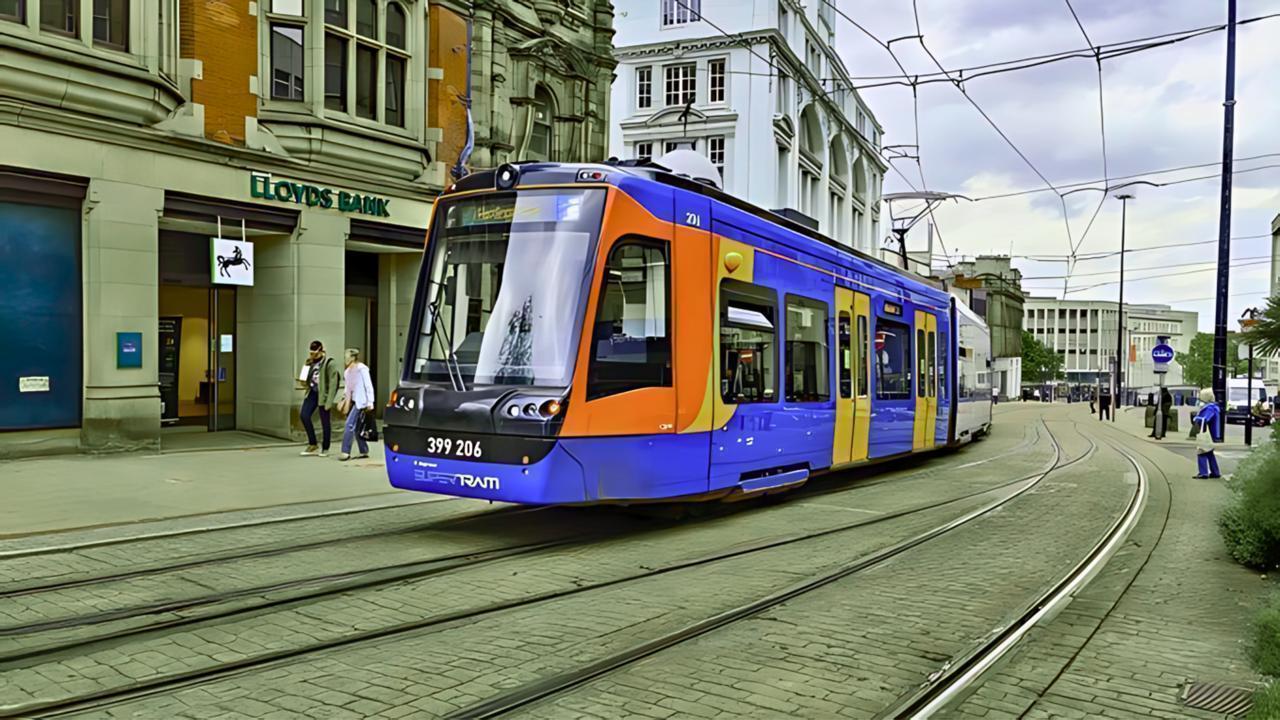
Hitachi Rail has signed a 15-year agreement to refurbish and maintain the Supertram fleet operating in Sheffield, South Yorkshire. This contract, valued at approximately £55 million, marks a significant chapter in the evolution of the UK’s light rail systems. The partnership between Hitachi Rail and South Yorkshire Mayoral Combined Authority (SYMCA) is designed to breathe new life into the aging tram fleet while ensuring greater reliability, safety, and passenger comfort for years to come.
For a network that has been in operation since the mid-1990s, this renewal deal is not just maintenance—it’s a modernization project that aims to keep Sheffield’s Supertram system running well into the 2040s. The decision underscores the growing national emphasis on sustainable, efficient public transportation and the role of proactive asset renewal in meeting the challenges of 21st-century urban mobility.
What the Agreement Covers: Scope of Work and Ambitions
Under the new contract, Hitachi Rail will overhaul 25 Siemens-Duewag Supertram vehicles, originally built in the 1990s. These trams have served Sheffield and its surrounding areas for more than two decades and are approaching the end of their original life expectancy. Rather than replace them outright—a costly and logistically complex endeavor—the SYMCA has chosen to refurbish the existing fleet through an extensive mid-life overhaul.
The refurbishment will include major updates such as:
The idea is to bring the fleet up to current standards, both in terms of performance and environmental impact, without the long lead times associated with commissioning brand-new rolling stock.
Timeline and Delivery Milestones
Work on the tram units is expected to begin in 2024 at Hitachi Rail’s facility in Doncaster, just 20 miles from Sheffield. This proximity to the project site offers logistical advantages, including lower transportation costs and easier quality assurance coordination. Hitachi Rail will carry out the refurbishment program in phases to minimize service disruption.
Each tram will be withdrawn from service individually, refurbished over several months, and then returned to active duty. The staggered schedule ensures that Sheffield’s public transport users continue to benefit from a reliable service during the overhaul period.
By the end of the 15-year period, Hitachi Rail will also be responsible for ongoing maintenance and servicing, ensuring the trams remain in top operational condition through to their planned retirement in the late 2030s or early 2040s.
Enhancing Urban Mobility in Sheffield
The Supertram system plays a crucial role in Sheffield's public transport network, serving approximately 11 million passengers annually. It links key areas of the city, including the University of Sheffield, the Meadowhall shopping center, and several park-and-ride locations. By modernizing the existing vehicles rather than replacing them, SYMCA ensures continuity of service while stretching limited public funds further.
Dan Jarvis, the Mayor of South Yorkshire, praised the initiative as a “milestone in the region’s efforts to create a future-proof public transportation system.” The Mayor emphasized that this kind of long-term investment not only improves mobility but also supports the region’s wider goals on sustainability, economic growth, and regional connectivity.
Hitachi Rail’s Broader Vision: Local Roots, Global Expertise
Hitachi Rail’s win is not just about a single contract—it reflects the company's deepening footprint in UK rail infrastructure. With its Doncaster site playing a central role, the firm is promoting local jobs, skills development, and industrial capacity. The deal is expected to secure and potentially expand employment in Doncaster and the surrounding region, while also involving British-based suppliers for parts and services.
From a global perspective, Hitachi brings expertise from similar refurbishment and maintenance projects in Italy, Japan, and other European countries. By applying global best practices to the UK context, the company aims to optimize fleet performance, energy efficiency, and passenger experience.
Jim Brewin, UK & Ireland Country Lead for Hitachi Rail, stated, “This long-term contract demonstrates the strength of our regional capabilities and our commitment to supporting the UK's light rail infrastructure with world-class solutions.”
Addressing Ageing Rail Infrastructure
Sheffield’s decision to opt for mid-life refurbishment over fleet replacement is emblematic of a broader trend across the UK. Many cities operating light rail and tram systems are facing similar dilemmas: aging fleets, limited budgets, and rising passenger expectations.
While the idea of replacing old vehicles with new ones may seem appealing, the costs and delivery timelines are often prohibitive. Additionally, the environmental impact of decommissioning entire fleets prematurely is significant. By focusing on refurbishment, SYMCA and Hitachi Rail are promoting a circular economy model in transport infrastructure.
This aligns with the Department for Transport’s long-term strategy for decarbonization and sustainability. Extending the life of existing assets allows cities to bridge the gap between current capability and the future arrival of zero-emission vehicles and smart mobility solutions.
Delivering Passenger Comfort and Accessibility
Beyond mechanical overhauls, one of the primary goals of the Supertram upgrade is enhancing the passenger experience. The refurbished vehicles will feature:
Such improvements are designed to not only make tram rides more pleasant but also to increase public transport ridership across South Yorkshire.
A Sustainable Mobility Path for Northern Cities
The Hitachi Rail agreement also has symbolic importance for the North of England. As regional governments push for greater investment in Northern transport infrastructure, Sheffield’s proactive refurbishment strategy sets a model for other cities facing similar challenges. The project is a testament to what’s possible through regional autonomy, focused spending, and partnerships with proven industry players.
In the context of post-pandemic recovery, net-zero targets, and rising urbanization, smart investments like this one signal the direction UK cities must move in: upgrading existing infrastructure, ensuring mobility equity, and embedding resilience in public systems.
Supply Chain & Workforce Development
This contract also represents a significant opportunity for the UK rail supply chain. Hitachi Rail has confirmed its intent to source many components domestically, further boosting Britain’s manufacturing ecosystem. Small and medium-sized enterprises (SMEs) stand to benefit from opportunities in component supply, system integration, and digital upgrades.
Additionally, the long-term nature of the agreement supports the creation of sustainable, skilled jobs in rail engineering and refurbishment. Apprenticeship programs and technician training—especially in Doncaster—are expected to be scaled up to support the contract, aligning with the government’s push for high-skilled job creation in northern towns.
Public Reaction and Long-Term Prospects
The announcement has been met with largely positive public and media reaction in Sheffield. Many citizens have praised the city for investing in long-term transport solutions rather than pursuing short-term fixes. Transport advocacy groups also welcome the project, highlighting its contribution to accessibility, environmental sustainability, and urban decongestion.
Looking forward, the Supertram deal could act as a template for other regional networks considering how to balance cost, sustainability, and operational efficiency. It reaffirms Hitachi Rail’s place at the heart of the UK’s rail transformation efforts and shows that innovation isn’t always about shiny new trains—it’s about making smart, resourceful decisions for the infrastructure already in place.
A Win-Win for Sheffield and UK Rail
As Sheffield embarks on this 15-year journey with Hitachi Rail, the message is clear: the future of urban transport lies not only in groundbreaking new technologies but also in the careful stewardship of what we already have. By investing in refurbishment, not replacement, the city is taking a cost-effective, environmentally responsible, and people-centered approach.
The Hitachi Rail agreement is more than just a maintenance contract—it’s a strategic partnership to revitalize a lifeline of urban mobility, create skilled jobs, and support the North’s broader economic ambitions. In an age where cities are racing to become greener and more livable, Sheffield’s Supertram is ready to shine again.
Hitachi Rail, Supertram Renewal Agreement



Advances in Aerospace Technology and Commercial Aviation Recovery
Insights into breakthrough aerospace technologies and commercial aviation’s recovery amid 2025 chall

Defense Modernization and Strategic Spending Trends
Explore key trends in global defense modernization and strategic military spending shaping 2025 secu

Tens of Thousands Protest in Serbia on Anniversary of Deadly Roof Collapse
Tens of thousands in Novi Sad mark a year since a deadly station roof collapse that killed 16, prote

Canada PM Carney Apologizes to Trump Over Controversial Reagan Anti-Tariff Ad
Canadian PM Mark Carney apologized to President Trump over an Ontario anti-tariff ad quoting Reagan,

The ad that stirred a hornets nest, and made Canadian PM Carney say sorry to Trump
Canadian PM Mark Carney apologizes to US President Trump after a tariff-related ad causes diplomatic

Bengaluru-Mumbai Superfast Train Approved After 30-Year Wait
Railways approves new superfast train connecting Bengaluru and Mumbai, ending a 30-year demand, easi




