Post by : Amit
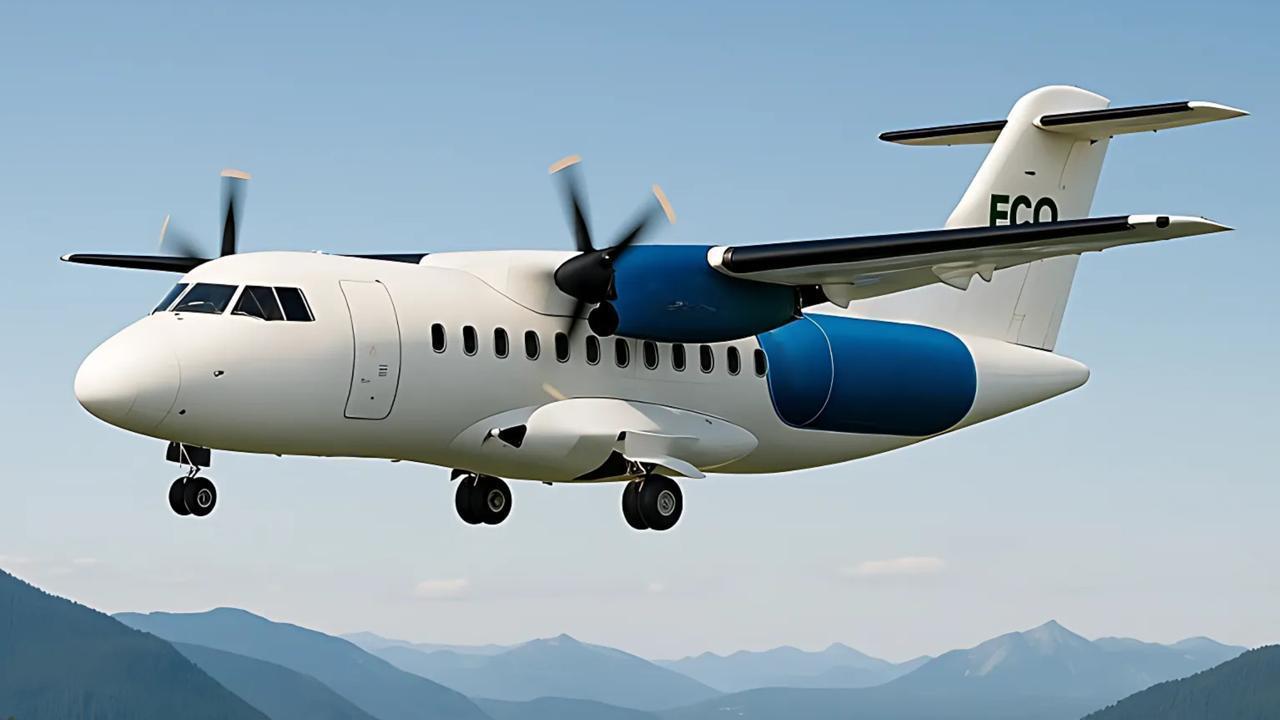
Photo : X / Coventry University Research and Innovation
A Breakthrough Collaboration in Future Flight Technology
Horizon Aircraft, a Canadian hybrid-electric Vertical Take-Off and Landing (VTOL) developer, has announced a strategic partnership with ZeroAvia, the U.S.-U.K.-based pioneer in hydrogen-electric propulsion systems. The alliance aims to integrate ZeroAvia’s advanced hydrogen fuel cell technology into Horizon’s next-generation VTOL aircraft, combining sustainable propulsion with hybrid versatility in an ambitious push toward decarbonized air mobility.
The collaboration, officially revealed on July 15, represents a convergence of two cutting-edge aerospace firms that share a common goal: making clean aviation not just a vision, but a viable, near-term reality. Both companies will now jointly work on adapting Horizon’s Cavorite X-Series hybrid-electric aircraft with ZeroAvia’s zero-emission powertrains, blending lift, range, and sustainability in a market-ready solution.
A Marriage of Two High-Tech Platforms
Horizon Aircraft, known for its Cavorite X5 and related VTOL technologies, has developed a patented hybrid VTOL design that allows it to take off and land vertically like a helicopter but cruise efficiently like a conventional airplane. Unlike many eVTOL startups that rely solely on battery-electric systems, Horizon’s hybrid configuration enables extended range and heavier payloads, making it more practical for commercial, defence, and cargo applications.
ZeroAvia, on the other hand, brings in a wealth of technical depth in hydrogen-electric propulsion systems, including its ZA600 and ZA2000 modules — powertrains designed for aircraft seating between 9 to 40 passengers. With successful flight testing in the U.K. and U.S., and partnerships with major OEMs like Alaska Airlines and British Airways, ZeroAvia has emerged as one of the most credible developers of hydrogen flight systems in the world.
This partnership allows both firms to merge their core competencies — Horizon’s hybrid airframe and ZeroAvia’s propulsion systems — to create a VTOL platform that’s not only scalable, but also aligned with global decarbonization goals.
The Power of Hydrogen: Clean, High-Energy, Future-Proof
Hydrogen fuel cells offer a high energy-to-weight ratio, making them particularly attractive for aerospace applications where batteries still struggle with energy density. Compared to lithium-ion batteries, hydrogen fuel systems offer faster refueling times, greater flight ranges, and scalability for larger aircraft segments.
For VTOL aircraft, which require substantial power during takeoff and transition phases, hydrogen-electric systems could provide a perfect bridge between short-range electric models and traditional combustion-based rotorcraft. Horizon’s choice to move toward hydrogen-electric propulsion reflects a broader shift in the industry toward more energy-dense, sustainable alternatives.
ZeroAvia’s proprietary fuel cell stacks, combined with their in-house power electronics and cooling systems, allow for modular installation into various airframe types, making it well-suited for VTOL platforms that need flexibility and efficiency.
Certification and Market Entry
The companies have made it clear that the partnership is not just about feasibility studies. The stated goal is to prepare a fully integrated hydrogen-hybrid VTOL prototype for demonstration and validation. This proof of concept will be a key milestone toward eventual airworthiness certification, with both parties hoping to achieve commercial readiness in the coming years.
While a detailed timeline was not disclosed, ZeroAvia’s existing certification roadmap — including FAA and EASA engagement for its ZA600 platform — is expected to provide valuable regulatory traction for the joint VTOL project. Horizon, meanwhile, has already achieved multiple test flight milestones for its Cavorite demonstrators and is rapidly iterating its design under simulated and controlled flight conditions.
The partnership now seeks to fast-track integration of hydrogen systems into Horizon’s flight demonstrators with ground testing, followed by manned prototype flights as early as 2026, according to internal planning.
A Market-Driven Alignment: Urban Air Mobility Meets Sustainability
The partnership is particularly timely given the growing pressure on the aviation sector to cut emissions. The eVTOL and Urban Air Mobility (UAM) markets are expected to reach a combined valuation of $30–50 billion by 2030, driven by demand for intercity transport, medical evacuation, cargo logistics, and defence mobility. However, sustainability remains a key bottleneck, with battery limitations and regulatory uncertainties delaying timelines across the sector.
By combining VTOL capability with hydrogen propulsion, Horizon and ZeroAvia aim to skip over the growing pains of battery-only systems and deliver a solution that’s more scalable, environmentally friendly, and economically feasible. Their aircraft could serve both urban and rural markets, providing point-to-point connectivity without the environmental cost of current helicopter fleets.
Moreover, hydrogen-electric VTOLs offer a double advantage: zero emissions during flight and the flexibility to use green hydrogen, ensuring the entire lifecycle is low-carbon.
Global Policy Tailwinds and Funding Opportunities
Governments across North America and Europe are rapidly increasing support for green aviation technologies, with billions of dollars earmarked for sustainable fuel R&D, airport infrastructure retrofitting, and hydrogen ecosystem development.
In the U.S., the FAA’s Sustainable Flight National Partnership (SFNP) and the Department of Energy’s Hydrogen Energy Earthshot initiative offer crucial backing for projects like this. Similarly, Canada’s Clean Aviation Strategy and ZeroAvia’s U.K. ties through the ATI Programme and Aerospace Technology Institute create a robust funding and testing framework.
With both companies operating across borders, the Horizon-ZeroAvia collaboration could tap into a multinational innovation network, gaining access to grants, airspace corridors, and experimental certification pathways to accelerate development.
A Broader Industry Shift Toward Integration
This partnership reflects a broader industry trend in which aerospace startups are moving beyond in-house R&D and forming modular alliances to deliver complex systems faster. Instead of developing everything from scratch, Horizon and ZeroAvia are focusing on core specialization with systems integration — a strategy that reduces cost, shortens time-to-market, and enhances reliability through shared expertise.
ZeroAvia has already demonstrated the value of this approach through its collaborations with De Havilland, Shell, and airports like Rotterdam The Hague. Horizon, through its design-centric hybrid VTOL platform, offers a highly adaptable platform ready for next-gen propulsion.
The duo represents the future of aircraft design: leaner, cleaner, and collaborative.
Scaling, Certification, and Hydrogen Supply
While the partnership opens new horizons (literally and figuratively), it is not without challenges. Hydrogen infrastructure is still in its early days, especially in the aviation context. Establishing reliable green hydrogen production, storage, and distribution for vertical aviation operations will be essential.
Moreover, certifying hydrogen systems for VTOL aircraft — which already face complex regulatory hurdles due to their unconventional design — will require close cooperation with global aviation regulators and a robust safety demonstration protocol.
Both companies will also need to navigate cost-to-performance trade-offs, especially in early production phases, where hydrogen systems remain expensive compared to conventional engines or battery modules. Public perception, airspace integration, and operator training will also be part of the long road toward mainstream acceptance.
Pioneering a Zero-Emission Flight Ecosystem
Despite the obstacles, Horizon Aircraft and ZeroAvia’s collaboration offers a compelling blueprint for zero-emission aviation’s next phase. It showcases how hybridization and hydrogen can co-exist, delivering both the range and redundancy needed for real-world operations.
As aviation stakeholders—from regulators to OEMs—seek commercially viable decarbonization models, such integrated partnerships offer a practical path forward. This isn't just about building a cleaner aircraft. It’s about designing a whole new mobility ecosystem: one that starts clean, scales smartly, and stays flexible.
From cargo logistics and medical flights to intercity mobility and military operations, hydrogen-electric VTOLs could unlock applications where current battery-only eVTOLs fall short.
With this partnership, the vision of silent, clean, and long-range urban air travel just took a giant leap closer to reality.
Hydrogen-electric VTOL aircraft, Horizon, ZeroAvia



Advances in Aerospace Technology and Commercial Aviation Recovery
Insights into breakthrough aerospace technologies and commercial aviation’s recovery amid 2025 chall

Defense Modernization and Strategic Spending Trends
Explore key trends in global defense modernization and strategic military spending shaping 2025 secu

Tens of Thousands Protest in Serbia on Anniversary of Deadly Roof Collapse
Tens of thousands in Novi Sad mark a year since a deadly station roof collapse that killed 16, prote

Canada PM Carney Apologizes to Trump Over Controversial Reagan Anti-Tariff Ad
Canadian PM Mark Carney apologized to President Trump over an Ontario anti-tariff ad quoting Reagan,

The ad that stirred a hornets nest, and made Canadian PM Carney say sorry to Trump
Canadian PM Mark Carney apologizes to US President Trump after a tariff-related ad causes diplomatic

Bengaluru-Mumbai Superfast Train Approved After 30-Year Wait
Railways approves new superfast train connecting Bengaluru and Mumbai, ending a 30-year demand, easi




