How Metro Rail is Transforming Asia’s Smart Cities

How Metro Rail is Transforming Asia’s Smart Cities

Post by : Shivani

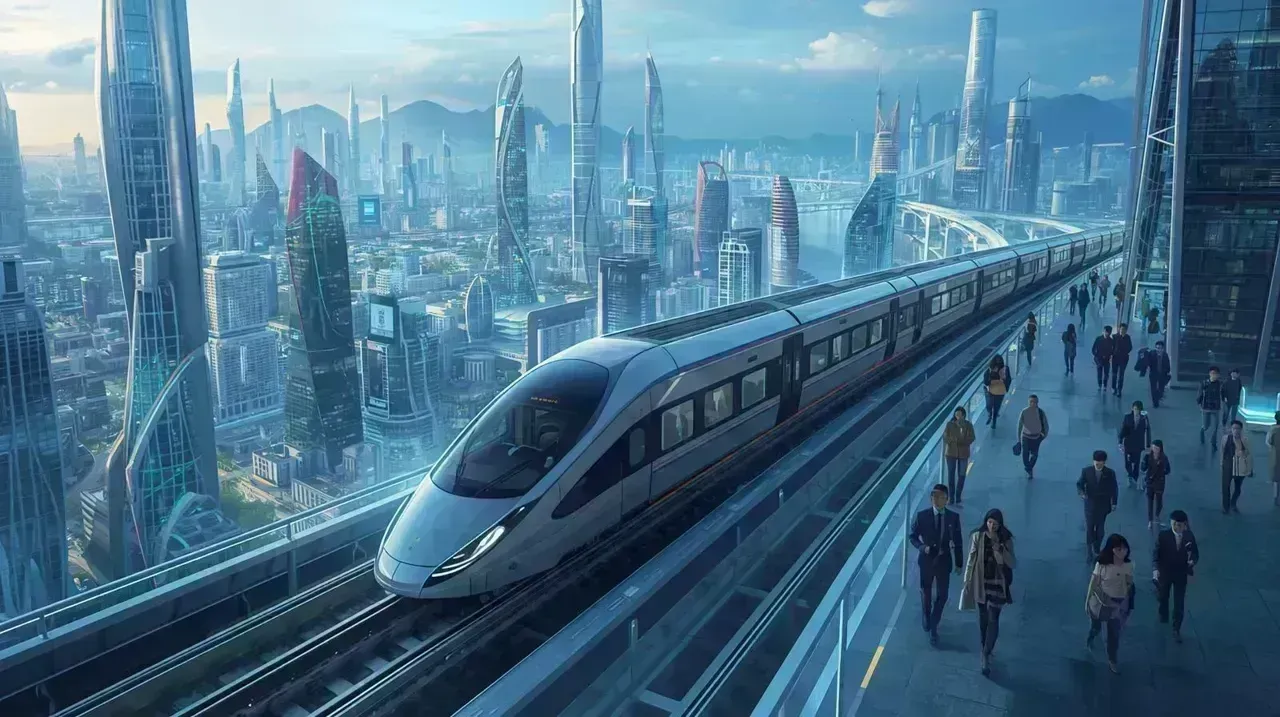
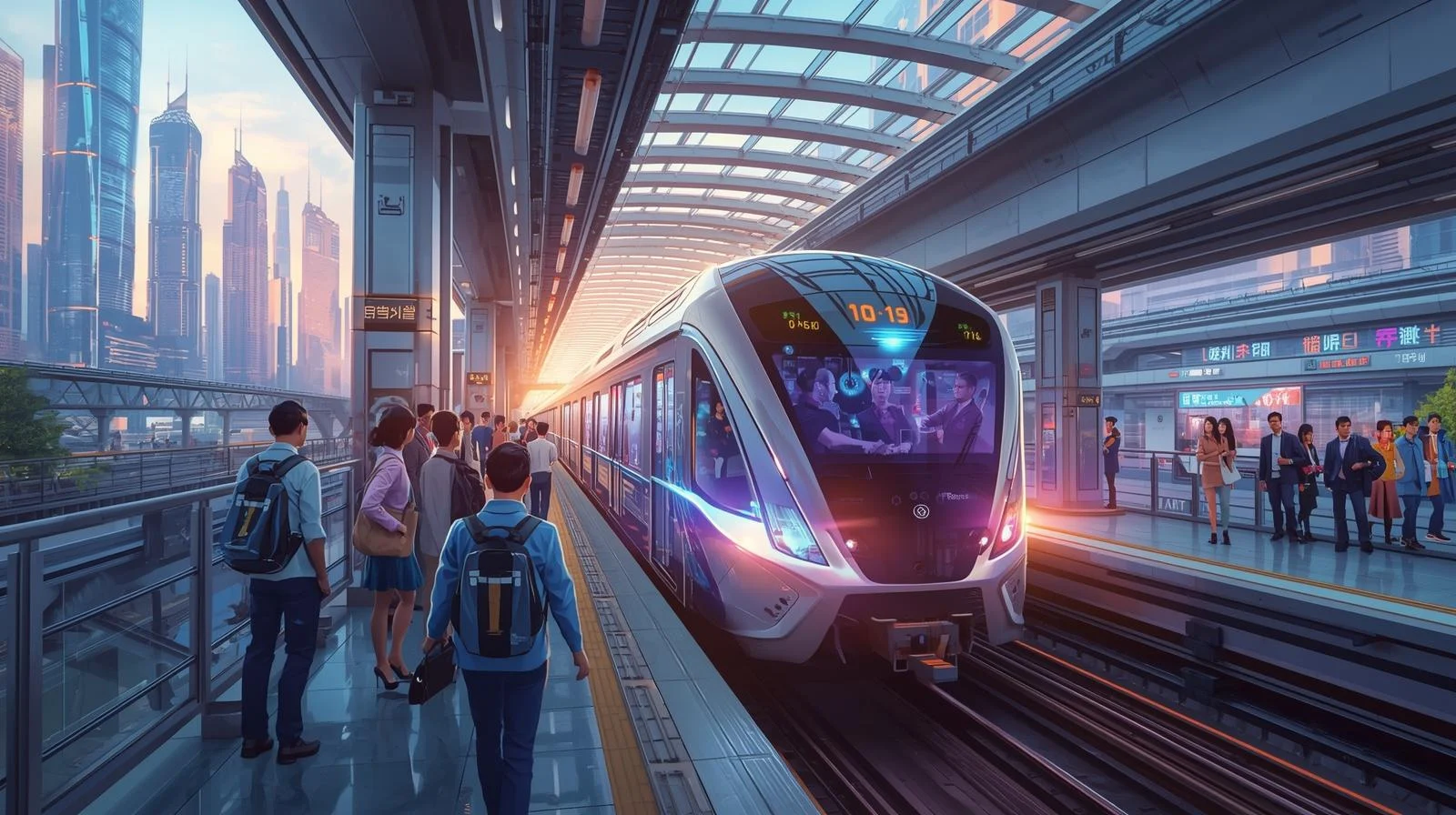
Metro rail systems are becoming the backbone of Asia’s rapidly growing smart cities. With urban populations expanding and traffic congestion worsening, metro networks provide sustainable, efficient, and technologically advanced solutions for mobility. They not only reduce travel time but also integrate with digital infrastructure, reshaping how people live and work in modern cities.
Key Impacts of Metro Rail on Smart Cities

1. Sustainable Urban Mobility
  • Reduction in carbon emissions by shifting commuters from private vehicles to mass transit.
  • Energy-efficient trains powered by electricity and, increasingly, renewable sources.
  • Integration with eco-friendly last-mile solutions such as e-bikes and electric buses.
2. Economic Growth and Urban Development
  • Metro corridors stimulate real estate development around stations.
  • Increased accessibility boosts local businesses and commercial hubs.
  • Job creation in construction, operations, and technology sectors.
3. Digital Integration and Smart Infrastructure
  • Contactless ticketing systems and mobile payment apps streamline passenger experience.
  • AI-driven traffic management ensures optimal train frequency and reduced delays.
  • Smart surveillance and IoT-enabled monitoring enhance safety and efficiency.
4. Social Inclusion and Accessibility
  • Affordable fares make metro systems accessible to a wide range of income groups.
  • Barrier-free stations improve mobility for elderly and differently-abled passengers.
  • Enhanced connectivity bridges gaps between urban centers and suburban communities.
5. Reduced Traffic Congestion
  • Metro systems significantly cut down road traffic, reducing travel times.
  • Improved air quality and reduced noise pollution in densely populated areas.
  • Encouragement of car-free lifestyles in urban centers.

Leading Examples in Asia

  • China: Cities like Shanghai and Beijing operate some of the world’s largest metro networks, integrating AI and big data for efficiency.
  • India: Delhi, Mumbai, and Bangalore metros are expanding rapidly, with smart ticketing and green initiatives.
  • Singapore: A model of efficiency, Singapore’s MRT integrates seamlessly with buses and digital city services.
  • Japan: Tokyo’s metro combines punctuality with advanced automation and passenger convenience.
  • UAE: Dubai Metro is fully automated and integrated with smart city platforms.

Future Trends

  1. Expansion of driverless metro systems across Asia.
  2. Greater use of renewable energy to power metro networks.
  3. Integration with smart city apps for real-time travel planning.
  4. Development of regional metro corridors connecting multiple cities.
  5. Increased public-private partnerships to fund large-scale projects.

Metro rail is more than just a mode of transport—it is a catalyst for building smarter, greener, and more inclusive cities across Asia. By 2030, metro systems will be central to the identity of Asia’s smart cities, driving sustainability, economic growth, and digital transformation.

Oct. 3, 2025 9:47 p.m. 2599

Metro Rail Smart Cities Urban Transportation Futuristic City Public Transit Sustainable Mobility High-Speed Train Modern Infrastructure City Metro System Digital Transportation Asia Metro Rail Urban Development Smart Mobility Mass Transit Future of Transport

United Airlines Plans Major 2027 Europe Expansion With A321XLR Jets
Aug. 25, 2026 5:41 p.m.
United Airlines expects enough Airbus A321XLR deliveries to support its 2027 Europe expansion, adding new routes as travel demand remains strong
Read More
Philippines Plans Major Expansion of Military Drone Capabilities Amid South China Sea Tensions
Aug. 25, 2026 4:41 p.m.
Philippines plans to expand military drone capabilities and modernise its armed forces as South China Sea tensions with China continue to rise
Read More
Six Months Into Iran War, Over 43% of Global Oil Supply Comes From Conflict-Affected Regions
Aug. 25, 2026 12:50 p.m.
Iran war and other conflicts disrupt global energy markets, with more than 43% of global oil production coming from conflict-affected countries
Read More
Tesla Raises Cybertruck Prices in US by $5,000 for Select Models
Aug. 25, 2026 11:57 a.m.
Tesla increases prices of select Cybertruck models in the US by $5,000, with Dual Motor and Premium All-Wheel Drive versions now costing more
Read More
Boeing Wins $131.2 Billion F-15 Program Contract From US Department of War
Aug. 25, 2026 10:44 a.m.
Boeing receives a contract with a ceiling value of $131.2 billion to support the US F-15 Eagle Crest program and its fighter aircraft fleet
Read More
Taiwan Indicts Nine Over Alleged Illegal Export of AI Servers to China
Aug. 24, 2026 5:19 p.m.
Taiwan prosecutors indict nine people, including Nvidia and Super Micro employees, over alleged illegal exports of high-end AI servers to China
Read More
Six EU Nations Push September Talks on Oil Windfall Profit Tax
Aug. 24, 2026 3:56 p.m.
Germany, Spain, Italy and four other EU nations want talks on taxing oil companies’ windfall profits as energy prices surge after the Strait of Hormuz blockade
Read More
Southeast Asia’s Low-Cost Airlines Seek Recovery as High Fuel Costs Hit Profits
Aug. 24, 2026 1:38 p.m.
Southeast Asia’s budget airlines are preparing for a possible fourth-quarter recovery, but high fuel prices, weaker currencies and cautious consumers continue t
Read More
Europe’s EV Market Gains Speed as Fuel Costs Rise and Affordable Models Expand
Aug. 24, 2026 11:43 a.m.
Electric vehicle sales are accelerating across Europe as high fuel prices, government subsidies and cheaper EV models encourage more consumers to switch
Read More
Sponsored

Trending News










