Post by : Amit
A Quiet Revolution on the Roads
A profound transformation is quietly unfolding on roads worldwide as software-defined vehicles (SDVs) emerge at the forefront of automotive innovation. Powered by artificial intelligence, real-time data, and constant connectivity, these next-generation vehicles are no longer static machines made of metal and rubber. Instead, they are evolving into intelligent digital platforms that can learn, adapt, and improve—much like the smartphones and laptops we use every day.
As the global automotive industry accelerates toward electrification and autonomous driving, SDVs are set to redefine not only how vehicles operate but how we experience mobility in the years ahead.
From Hardware to Software: The Changing DNA of Automobiles
For decades, the car was an engineering marvel built predominantly around hardware—engines, transmissions, and mechanical systems with limited digital features. Once manufactured, its capabilities were largely fixed for life. The rise of software-defined architecture is radically shifting this paradigm.
In SDVs, software takes center stage. Features, safety systems, entertainment options, and even performance tweaks can now be delivered via over-the-air (OTA) updates, long after the car has left the factory floor. This software-first approach decouples vehicle development from rigid production timelines, allowing automakers to innovate continuously, fix bugs remotely, and add entirely new capabilities without recalling a single vehicle.
More importantly, it opens lucrative new revenue streams through subscriptions, pay-per-use features, and personalized in-car services—revolutionizing how car companies engage with consumers.
Artificial Intelligence at the Heart of the Revolution
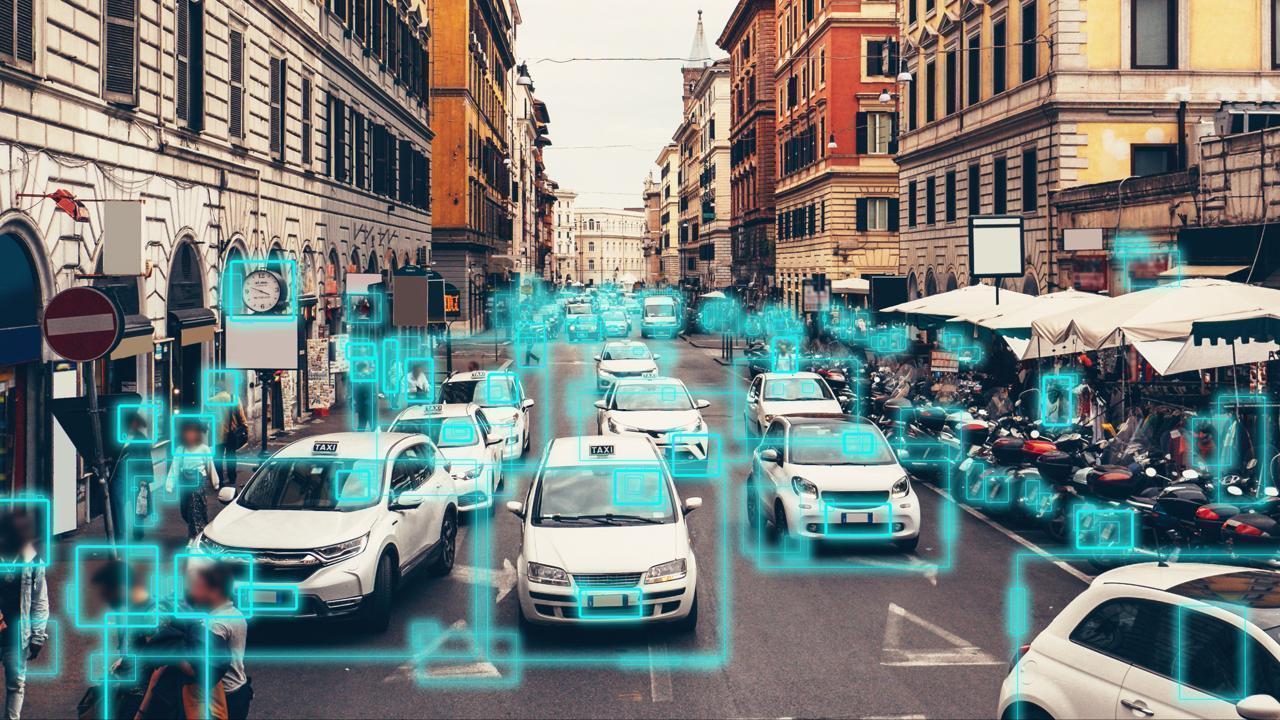
Artificial intelligence is the engine driving the SDV transformation. AI systems control everything from advanced driver assistance and autonomous driving to predictive maintenance, voice commands, and even wellness monitoring. By analyzing real-time data from cameras, sensors, and maps, AI allows vehicles to make instant decisions that enhance safety, efficiency, and comfort.
In the coming years, AI is expected to move from merely assisting drivers to fully assuming control in many driving scenarios. This technological leap will reshape not just vehicles, but society at large—impacting insurance models, legal frameworks, urban planning, and how people think about personal transportation.
The Power of Connectivity: Vehicles That Are Always Online
The backbone of software-defined vehicles is robust, high-speed connectivity. With the rise of 5G networks, today’s vehicles are continuously online, seamlessly exchanging data with the cloud, other vehicles, traffic systems, and infrastructure.
This connectivity fuels vehicle-to-everything (V2X) communication, allowing cars to interact with traffic lights, road signs, emergency vehicles, and even smartphones carried by pedestrians. Such real-time interactions can dramatically improve road safety, reduce congestion, and cut emissions by optimizing traffic flow and route planning.
Moreover, constant connectivity ensures that SDVs stay updated with the latest software, keeping them smarter, safer, and more efficient throughout their lifecycle.
The Rise of the Car-as-a-Platform Model
With software taking precedence, cars are becoming more than just transportation—they are evolving into digital platforms capable of supporting an entire ecosystem of applications and services. This car-as-a-platform model draws inspiration from the smartphone industry, where apps and connectivity are central to the user experience.
From streaming movies and music to in-car gaming, wellness features, and productivity tools, the vehicle cabin is transforming into a mobile living space. Tech giants like Apple, Google, Amazon, and Qualcomm are racing to embed their software ecosystems into these platforms, seeing them as the next frontier for consumer engagement.
For automakers, this creates a massive opportunity to monetize digital experiences, pushing beyond the traditional business model of one-time car sales toward ongoing, subscription-based relationships with customers.
Economic Impact: The Digital Value Chain in Automotive
The global market for software-defined vehicles is set to grow exponentially in the next decade, with digital services, software, and AI-driven features soon rivaling or even surpassing the value of hardware components. According to IDTechEx, this shift will fundamentally change the economics of the automotive industry.
To stay competitive, automakers are investing heavily in software development centers, cloud computing infrastructure, and artificial intelligence labs. In this new landscape, the ability to deliver seamless digital experiences will be as crucial as horsepower, fuel efficiency, or design aesthetics.
Furthermore, by enabling features on demand and offering remote updates, SDVs allow manufacturers to extend customer relationships beyond the showroom, driving recurring revenue while enhancing loyalty.
Overcoming Challenges: Security, Standards, and Ethics
As cars evolve into sophisticated computers on wheels, they also become more vulnerable to cybersecurity threats. The potential for hacking, data breaches, and malicious attacks poses serious safety risks that must be addressed through robust encryption, secure software architecture, and real-time monitoring.
Standardization presents another major challenge. With various manufacturers developing unique software ecosystems, there is a growing risk of fragmentation, which could lead to compatibility issues and safety concerns. Industry collaboration and regulatory oversight will be vital in establishing common standards for connectivity, AI ethics, and autonomous decision-making.
Moreover, ethical questions surrounding AI's role in critical decision-making—such as how vehicles should react in unavoidable accident scenarios—remain unresolved and must be addressed as part of the industry's evolution.
Transforming the Customer Experience: Personalization at the Core
One of the most exciting aspects of SDVs is their ability to personalize the driving experience. Future vehicles will learn and adapt to individual drivers’ preferences, adjusting seat positions, climate settings, entertainment options, and even driving styles automatically.
Navigation systems will suggest routes not only based on speed but also on scenery, eco-friendliness, or personal habits. In autonomous mode, vehicle interiors could morph into workspaces, entertainment zones, or relaxation pods—ushering in an era where mobility becomes an extension of digital lifestyle rather than just a means of travel.
This deep personalization will forge stronger emotional connections between people and their vehicles, making them indispensable digital companions.
Sustainability and Environmental Gains Through Software
Software-defined vehicles also hold the potential to accelerate sustainability in transportation. Through real-time monitoring, energy optimization, and predictive maintenance, SDVs can help reduce fuel consumption, cut emissions, and extend battery life—especially vital for electric vehicles.
For fleet operators and public transport systems, data insights from SDVs will enable smarter scheduling, route planning, and resource allocation, contributing to greener cities and cleaner air. As urban centers strive for net-zero emissions, SDVs will play an integral role in achieving these ambitious environmental goals.
A Glimpse Into the Future of Mobility
The rise of software-defined vehicles marks the dawn of a new era—one where mobility is intelligent, connected, and endlessly adaptable. With AI at the core, high-speed connectivity as the backbone, and continuous updates driving innovation, SDVs are poised to reshape how we travel, work, and live.
Automakers, technology providers, governments, and consumers are all stakeholders in this unfolding transformation. The pace of change is accelerating, and what once seemed like science fiction is rapidly becoming reality.
The car of the future won’t just take you from point A to B—it will learn, evolve, and become an indispensable part of your digital life, bringing unprecedented convenience, safety, and personalization to every journey.
EV, AI, Car



Advances in Aerospace Technology and Commercial Aviation Recovery
Insights into breakthrough aerospace technologies and commercial aviation’s recovery amid 2025 chall

Defense Modernization and Strategic Spending Trends
Explore key trends in global defense modernization and strategic military spending shaping 2025 secu

Tens of Thousands Protest in Serbia on Anniversary of Deadly Roof Collapse
Tens of thousands in Novi Sad mark a year since a deadly station roof collapse that killed 16, prote

Canada PM Carney Apologizes to Trump Over Controversial Reagan Anti-Tariff Ad
Canadian PM Mark Carney apologized to President Trump over an Ontario anti-tariff ad quoting Reagan,

The ad that stirred a hornets nest, and made Canadian PM Carney say sorry to Trump
Canadian PM Mark Carney apologizes to US President Trump after a tariff-related ad causes diplomatic

Bengaluru-Mumbai Superfast Train Approved After 30-Year Wait
Railways approves new superfast train connecting Bengaluru and Mumbai, ending a 30-year demand, easi




