Post by : Avinab Raana
Photo : X / dukeflow_cars
Hyundai Clarifies ICE Raid at Georgia EV Metaplant
In a dramatic development at the heart of the U.S. electric vehicle (EV) industry, Hyundai Motor America has stepped forward to clarify details surrounding a massive Immigration and Customs Enforcement (ICE) operation at its Georgia Metaplant. The raid, which resulted in the detention of approximately 475 individuals, raised immediate concerns about labor practices, corporate compliance, and the security of EV supply chains. Hyundai emphasized that none of the detained individuals were directly employed by the company, drawing attention to the complex relationships between manufacturers and their contractors in large-scale industrial projects.
The Scope of the Georgia Metaplant
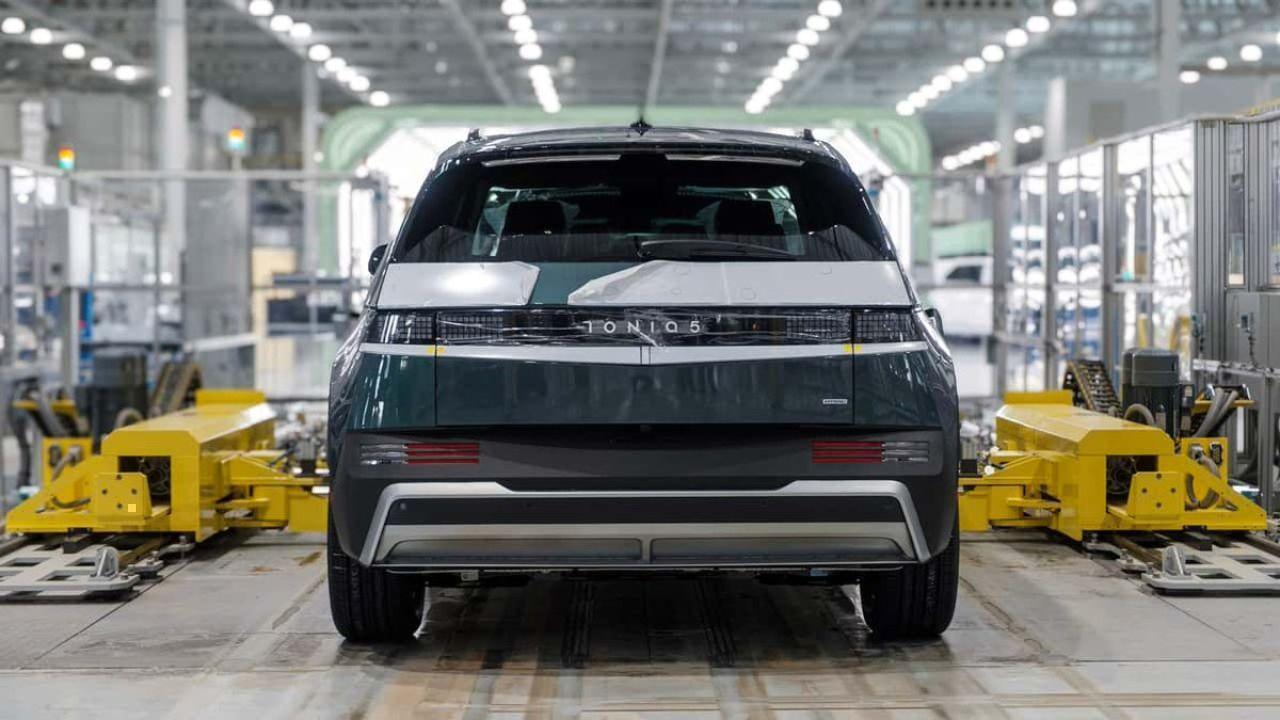
Hyundai’s Georgia EV Metaplant, located in Savannah, spans over 16 million square feet and represents one of the largest EV manufacturing hubs in the United States. The facility not only assembles Hyundai’s advanced electric vehicles but also operates closely with battery partner LG Energy Solution. The massive scale of the plant reflects the company’s commitment to expanding EV production and meeting surging demand in North America. The ICE raid, however, has brought scrutiny to how employment is managed within such integrated facilities.
Clarifying Employment Relationships
Hyundai made it clear that all of the individuals detained during the ICE raid were not employees of the automaker. Instead, the workers were affiliated with LG Energy Solution, which co-owns and operates the adjacent battery facility. Hyundai stressed that it holds itself and its partners to rigorous compliance standards and expects full adherence to U.S. employment and immigration laws. This distinction highlights the complexity of modern EV supply chains, where multiple entities work under a single roof to produce technologically sophisticated vehicles.
Company Response to the Raid
Hyundai issued a prompt statement to reassure stakeholders, noting that the raid would not disrupt vehicle assembly operations. The company confirmed that production lines are continuing without interruption and that all vehicles scheduled for assembly and delivery remain on track. By providing clear communication, Hyundai aimed to calm concerns among investors, customers, and industry partners about potential delays or reputational damage.
Broader Context: Immigration Enforcement
The raid at Hyundai’s Georgia Metaplant is part of a larger increase in immigration-related enforcement operations across the country. Authorities have heightened their focus on large industrial and manufacturing sites, especially those with complex subcontractor networks. Some of the individuals detained were reportedly in the U.S. under a visa waiver program intended for short-term business visits, rather than long-term employment. This context underscores the challenges multinational companies face when managing labor compliance in jurisdictions with strict regulatory frameworks.
Impact on EV Supply Chains
The incident has sparked a wider discussion about the resilience and transparency of EV supply chains. As automakers accelerate their transition to electrification, they increasingly rely on a network of partners, suppliers, and subcontractors for battery production, electronics, and vehicle assembly. Any regulatory disruption—such as the ICE raid—can reverberate across the supply chain, potentially causing production slowdowns, cost overruns, or logistical bottlenecks. Hyundai’s clarification aims to reassure stakeholders that operational safeguards are in place to prevent such disruptions.
Legal and Regulatory Considerations
The ICE raid raises important questions about compliance oversight and legal accountability in industrial projects. Hyundai highlighted its commitment to rigorous vetting of all contractors and subcontractors, requiring adherence to labor laws, safety standards, and immigration regulations. While the automaker was not directly implicated in the detentions, the case illustrates how regulatory risks can extend to parent companies when third-party operators are involved. Legal experts suggest that such incidents may lead to tighter enforcement and more stringent auditing practices across the manufacturing sector.
Industry Response and Reactions
Industry analysts have observed that Hyundai’s swift and transparent response is designed to maintain confidence in its brand and operational integrity. By clarifying that the detained workers were not company employees, Hyundai mitigates potential reputational risks while demonstrating accountability. Meanwhile, labor rights groups have called for greater oversight of subcontracted employment to prevent vulnerable workers from facing legal jeopardy without adequate support. The incident serves as a reminder that compliance extends beyond corporate walls to include all entities within the operational ecosystem.
Economic Implications
Beyond legal and regulatory concerns, the ICE raid also has economic implications. Any disruption in workforce availability can affect production timelines and the delivery of vehicles to market. Given the growing demand for EVs in North America, including Hyundai’s electric lineup, maintaining consistent output is crucial for revenue, customer satisfaction, and investor confidence. Hyundai’s clarification helps mitigate concerns that the raid might stall EV production, demonstrating resilience in the face of regulatory challenges.
Global Perspective on Labor Compliance
The incident also highlights the global challenges that multinational automakers face when expanding EV production in foreign markets. U.S.-based operations are subject to complex labor and immigration regulations that differ significantly from Hyundai’s home country, South Korea. Ensuring compliance in such environments requires proactive oversight, training, and collaboration with all partners. The Georgia Metaplant case serves as a cautionary example of the need for rigorous governance structures within sprawling industrial operations.
Maintaining Operational Integrity
Hyundai emphasized that despite the ICE raid, the Metaplant’s operational integrity remains intact. Vehicle assembly lines continue to run efficiently, and production targets for electric vehicles are unaffected. The company reaffirmed that it is actively monitoring its contractor and subcontractor networks to ensure adherence to legal standards. By maintaining transparency and operational continuity, Hyundai reinforces confidence among stakeholders that the company can manage complex regulatory challenges effectively.
The Role of Contractors and Subcontractors
The raid underscores the vital role of contractors and subcontractors in modern manufacturing. While these partners enable scalability and specialization, they also introduce layers of regulatory and compliance risk. Hyundai’s experience demonstrates that large-scale industrial operations require comprehensive oversight, including background checks, visa verification, and continuous monitoring of workforce legality. Companies that fail to enforce these measures risk operational disruptions, legal penalties, and reputational damage.
Communication and Stakeholder Confidence
Hyundai’s response reflects a broader trend in corporate crisis management: proactive communication is essential to maintaining trust. By promptly clarifying employment relationships and confirming uninterrupted operations, the automaker addresses concerns from investors, customers, employees, and the public. Clear messaging helps ensure that the narrative remains factual, mitigating misinformation or speculation that could amplify the incident’s perceived impact.
Long-Term Implications for the EV Industry
The Georgia ICE raid may have long-term effects on the EV industry in the U.S. As more automakers establish local manufacturing hubs, regulatory scrutiny is likely to increase. Companies may need to invest in enhanced compliance infrastructure, robust auditing mechanisms, and tighter contractor oversight. For Hyundai and its peers, the incident reinforces the need to integrate legal, operational, and reputational risk management strategies into the expansion of EV supply chains.
Corporate Responsibility and Ethics
Beyond legal compliance, Hyundai’s statement touches on broader ethical considerations. Ensuring that all workers within an industrial ecosystem are treated fairly, legally, and safely is a core aspect of corporate responsibility. While Hyundai was not directly implicated in the detentions, the incident highlights the importance of continuous monitoring of partners to prevent inadvertent exposure of workers to legal or personal harm. Ethical oversight has become a cornerstone of sustainable industrial operations, particularly in emerging sectors like electric vehicles.
Navigating Complex Compliance Challenges
The ICE raid at Hyundai’s Georgia EV Metaplant serves as a defining case study in navigating regulatory, legal, and operational complexities. Hyundai’s clear and proactive response demonstrates a commitment to compliance, transparency, and operational resilience. By emphasizing that none of the detained individuals were company employees, Hyundai mitigates reputational risk while reinforcing trust in its management of EV supply chains.
As the EV industry continues its rapid growth, incidents like this underscore the necessity for robust governance, contractor oversight, and proactive communication. Hyundai’s experience provides a roadmap for multinational corporations seeking to expand responsibly in highly regulated environments, ensuring that innovation and compliance go hand in hand.
Hyundai Metaplant, ICE raid, EV supply chain



Advances in Aerospace Technology and Commercial Aviation Recovery
Insights into breakthrough aerospace technologies and commercial aviation’s recovery amid 2025 chall

Defense Modernization and Strategic Spending Trends
Explore key trends in global defense modernization and strategic military spending shaping 2025 secu

Tens of Thousands Protest in Serbia on Anniversary of Deadly Roof Collapse
Tens of thousands in Novi Sad mark a year since a deadly station roof collapse that killed 16, prote

Canada PM Carney Apologizes to Trump Over Controversial Reagan Anti-Tariff Ad
Canadian PM Mark Carney apologized to President Trump over an Ontario anti-tariff ad quoting Reagan,

The ad that stirred a hornets nest, and made Canadian PM Carney say sorry to Trump
Canadian PM Mark Carney apologizes to US President Trump after a tariff-related ad causes diplomatic

Bengaluru-Mumbai Superfast Train Approved After 30-Year Wait
Railways approves new superfast train connecting Bengaluru and Mumbai, ending a 30-year demand, easi




