Post by : Amit
A Strategic Policy Shift to Revive Indian Shipping Fleet
India’s domestic shipping sector, long overshadowed by foreign-flagged vessels, may soon be entering a new chapter of reform and resurgence. In a pivotal policy development, the Ministry of Ports, Shipping and Waterways has submitted a proposal to the Finance Ministry requesting tax duty reductions and structural rationalizations aimed at restoring competitiveness to Indian-flagged ships. The proposal seeks to create fiscal parity with foreign vessels that currently enjoy operational cost advantages when operating in Indian territorial waters, thanks to more lenient tax regimes and reduced regulatory burdens.
According to senior officials familiar with the matter, the formal submission outlines the need to either eliminate or significantly lower customs duties levied on critical components such as bunker fuel, lubricants, marine spare parts, and ship repair services. These costs, when bundled together, make the operating environment for Indian shipowners substantially more expensive than their foreign counterparts. By rebalancing these disparities, the government hopes to revive Indian shipping’s role in national and global trade flows—a sector that has been steadily losing ground despite the country's growing export-import volumes.
The Current Paradox: Rising Trade, Shrinking Domestic Share
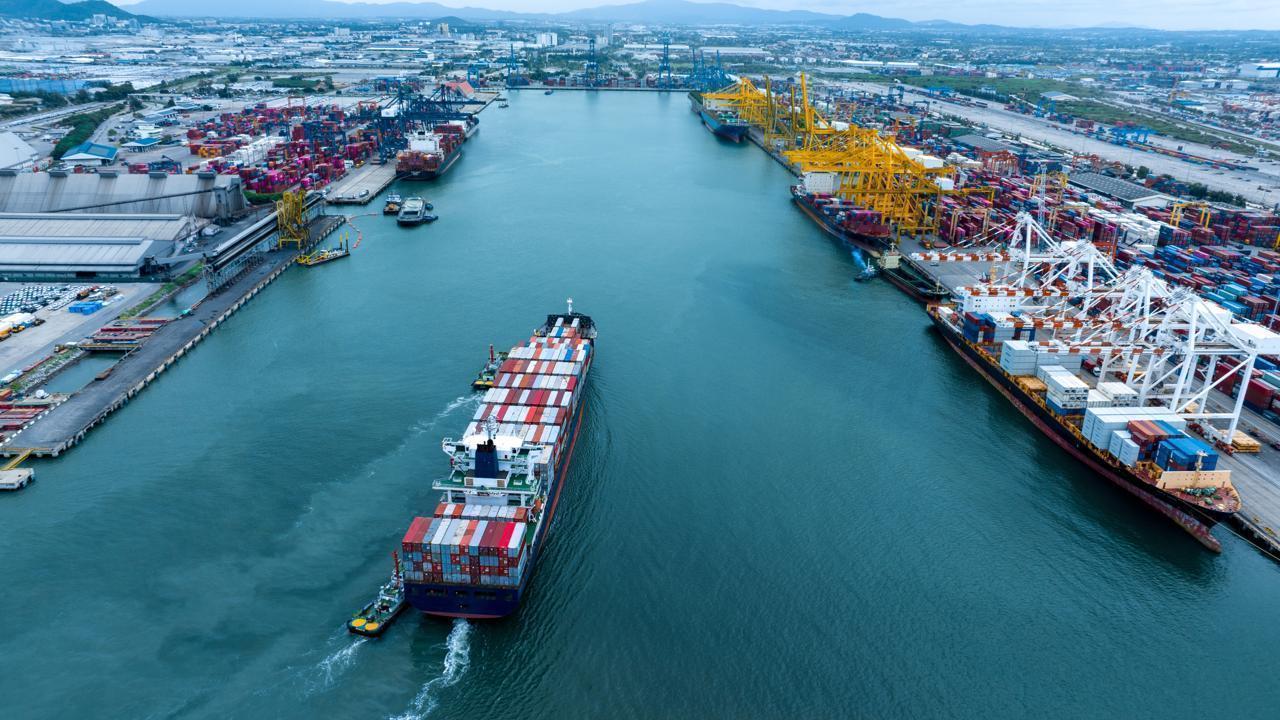
India today is one of the world’s top maritime trading nations, with growing containerized exports, rising imports of energy and raw materials, and increasingly diversified coastal cargo. Yet, only a fraction of this cargo—estimated between 5 to 7 percent—is carried on Indian-flagged ships. Foreign shipping lines dominate the seaborne trade that passes through Indian ports, including domestic coastal movement, despite India having one of the longest navigable coastlines in the world.
This paradox has been a persistent point of concern for policymakers and maritime economists. While trade expands rapidly, the domestic shipping sector continues to operate with an aging fleet, lower economies of scale, and higher operating costs due in large part to skewed taxation policies. Foreign-flagged vessels not only enjoy access to cheaper global financing and superior infrastructure, but also benefit from duty exemptions and lower customs overheads when operating in Indian ports. Indian vessels, by contrast, are weighed down by fuel duties, multiple GST rates, and other fiscal frictions that significantly increase their per-voyage costs.
The Fiscal Case for Change: Leveling the Playing Field
The Ministry’s latest push is therefore an attempt to correct this long-standing asymmetry. At the heart of the proposal lies the goal of achieving fiscal neutrality—that is, creating an operating cost environment where Indian ships are neither at a disadvantage nor subject to heavier taxation than foreign ships doing similar work in Indian waters. According to ministry documents, this would involve exempting Indian-flagged vessels from customs duties on essential inputs, rationalizing GST slabs on equipment and services related to shipbuilding and repair, and possibly even introducing time-bound tax holidays to encourage fleet expansion.
Such policy realignment would directly impact coastal shipping operations, which have shown signs of revival over the past few years due to increased government focus on multimodal transport. Domestic routes involving the movement of cement, steel, fertilisers, coal, and food grains could become more viable for Indian vessels if taxation becomes comparable to international benchmarks. Furthermore, by lowering operating costs, Indian shipping companies would be in a stronger position to enter international routes, especially for container, dry bulk, and oil transport segments.
Industry Support and Global Precedents Strengthen the Case
The demand for tax parity has received broad support from across the Indian shipping industry. The Indian National Shipowners’ Association (INSA), the primary representative body for domestic maritime operators, has repeatedly highlighted how the current tax environment skews market dynamics in favour of foreign players. INSA has been vocal in arguing that unless taxation is reformed, Indian shipowners will continue to lose ground both at home and abroad.
Global best practices appear to support this line of thinking. Maritime nations such as Singapore, Greece, the Netherlands, and the UAE have built thriving domestic shipping registries by offering their fleets tax-friendly ecosystems. These include reduced or zero customs duties, access to subsidised fuel, special economic zones for maritime services, and straightforward compliance regimes. India’s policymakers are now seeking to replicate elements of these models, adapted for Indian market conditions, to give the country’s flag-carrying vessels a fighting chance.
Maritime India Vision and Strategic Self-Reliance
This push for fiscal reform comes at a critical moment, as India embarks on its Maritime India Vision 2030, a long-term policy framework aimed at making the country a leading global maritime hub. One of the core targets of this vision is to increase the share of Indian-flagged ships in carrying the country’s own cargo to at least 15 percent by 2030, tripling the current share in just five years. For this to happen, Indian shipowners will need not only more ships but also an environment in which they can operate competitively, profitably, and sustainably.
The issue also ties directly into the broader Atmanirbhar Bharat (self-reliant India) strategy. During the COVID-19 pandemic and recent disruptions in global supply chains due to geopolitical tensions, India experienced firsthand the vulnerabilities of overdependence on foreign shipping. In critical moments, Indian-flagged vessels could not be deployed at scale due to their smaller numbers and higher costs. The government’s effort to boost domestic capacity now appears to be driven as much by national security and strategic autonomy concerns as by economic logic.
Structural Challenges Still Loom Large
While tax parity is a crucial step, industry experts warn that it is only one piece of a larger puzzle. The Indian shipping sector continues to struggle with systemic issues such as outdated vessels, limited shipbuilding and repair capacity, lack of access to long-term low-cost financing, and skill gaps in maritime workforce training. Without addressing these structural bottlenecks, tax cuts alone may not be sufficient to drive sustained growth or competitiveness.
The government has made some early moves on these fronts. The introduction of ship leasing through the GIFT City IFSC framework, steps to ease norms for seafarer certification, and targeted incentives for green shipping initiatives are all part of the broader effort to modernize the ecosystem. But financing remains a major stumbling block. Unlike international peers who can tap into dedicated maritime banks or shipping funds, Indian shipowners often rely on high-interest commercial loans, further raising their cost base.
Timing and Budgetary Context Fuel Optimism
The shipping ministry’s proposal comes at a time when the Finance Ministry is in the midst of mid-year fiscal reviews and sectoral consultations for the next Union Budget. With logistics cost reduction now a national priority under the PM Gati Shakti initiative, the chances of policy acceptance are higher than in previous years. There is also growing consensus that India must reduce its logistics cost-to-GDP ratio from the current 13–14 percent to around 8–9 percent to stay competitive globally, and domestic shipping could play a vital role in achieving this.
Moreover, as India develops coastal economic zones and green industrial corridors along its shoreline, cost-effective sea transport will be essential. These zones depend on efficient movement of raw materials, manufactured goods, and containerized cargo—and Indian ships will be crucial if the benefits of these projects are to stay within the national economy rather than being outsourced to foreign operators.
A Moment of Reckoning for Maritime Policy
Whether the Finance Ministry accepts the shipping ministry’s proposal in full or chooses to implement it in phases, the coming months could prove decisive for the future of India’s shipping sector. If the request is approved, it could unleash a new wave of investment in Indian-flagged vessels, stimulate shipbuilding activity, and generate employment across port cities and coastal states. If ignored or delayed, the window for reversing the decline in domestic fleet share may continue to narrow.
As the global shipping industry braces for the next decade of digitalization, decarbonization, and geopolitical flux, India’s ability to support its own maritime backbone will be closely watched. This proposal is more than just a plea for tax relief—it is a test of India’s seriousness in becoming a true maritime power.
India, Cargo, Port Shipping, Marine Ship



Advances in Aerospace Technology and Commercial Aviation Recovery
Insights into breakthrough aerospace technologies and commercial aviation’s recovery amid 2025 chall

Defense Modernization and Strategic Spending Trends
Explore key trends in global defense modernization and strategic military spending shaping 2025 secu

Tens of Thousands Protest in Serbia on Anniversary of Deadly Roof Collapse
Tens of thousands in Novi Sad mark a year since a deadly station roof collapse that killed 16, prote

Canada PM Carney Apologizes to Trump Over Controversial Reagan Anti-Tariff Ad
Canadian PM Mark Carney apologized to President Trump over an Ontario anti-tariff ad quoting Reagan,

The ad that stirred a hornets nest, and made Canadian PM Carney say sorry to Trump
Canadian PM Mark Carney apologizes to US President Trump after a tariff-related ad causes diplomatic

Bengaluru-Mumbai Superfast Train Approved After 30-Year Wait
Railways approves new superfast train connecting Bengaluru and Mumbai, ending a 30-year demand, easi




