Post by : Amit
India has just taken a groundbreaking step toward merging infrastructure and energy generation. Researchers from IIT Bombay, in collaboration with a team of German material scientists, have unveiled “SolarCrete” — a next-generation concrete material embedded with photovoltaic nano-particles capable of generating solar electricity while functioning as a core construction material.
This scientific breakthrough could reshape the way we think about roads, bridges, and buildings—not just as passive structures, but as active energy-generating systems.
A Concrete That Captures the Sun
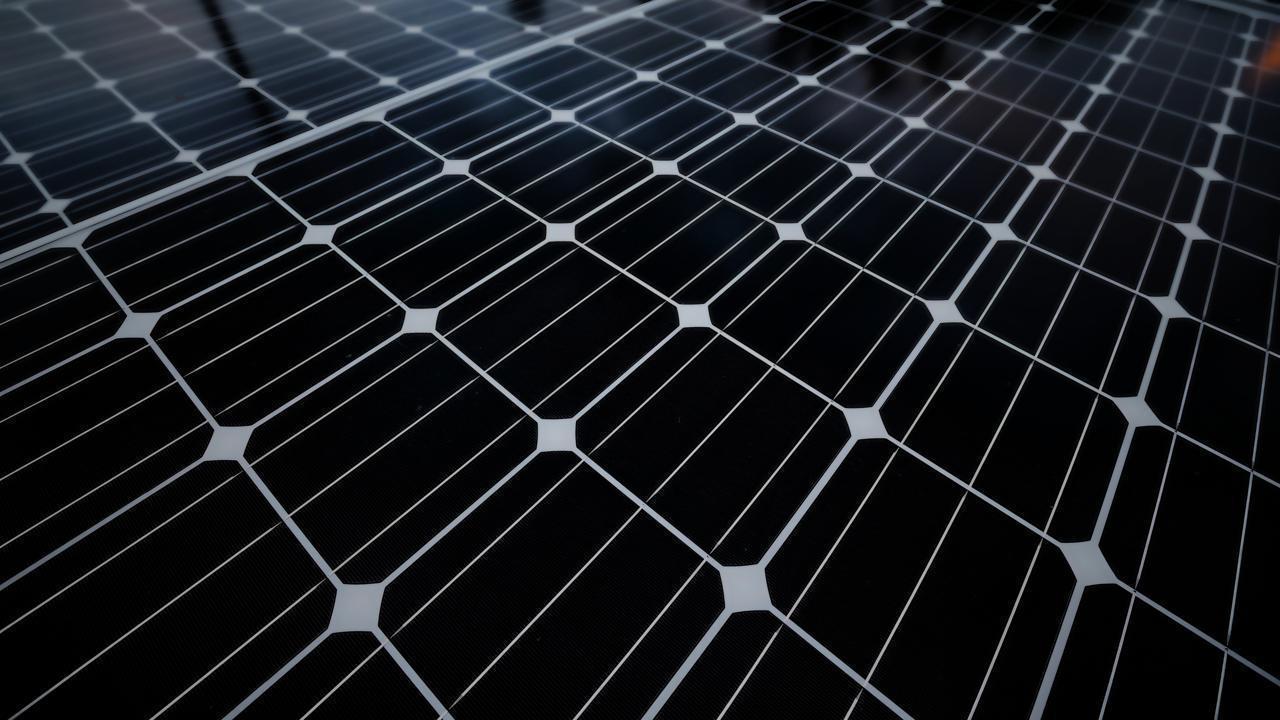
The secret behind SolarCrete lies in its unique nano-engineered photovoltaic composition. Microscopic solar elements are embedded directly into the concrete mix, allowing it to harness sunlight and convert it into electricity. Unlike traditional solar panels, which require separate installation on rooftops or open fields, SolarCrete integrates directly into the structural components themselves.
The material has already moved beyond the lab. A pilot stretch along a section of National Highway near Pune is currently undergoing live testing. The experimental road segment—approximately 250 meters in length—has been constructed using SolarCrete slabs. These are being monitored around the clock to evaluate energy output, surface durability under traffic, and thermal performance under India’s harsh summer sun.
From Research to Reality
Dr. Priyanka Mehra, lead materials engineer at IIT Bombay, described the project as “the fusion of India’s infrastructure ambition with its green energy commitment.” She added:
“Our vision is to turn every kilometer of highway into a power generator. With SolarCrete, bridges, toll plazas, parking decks—even border roads—can contribute to the grid without requiring additional land or resources.”
Her counterpart from the University of Stuttgart, Dr. Felix Baumgartner, highlighted the smart-grid compatibility of SolarCrete and its potential for use in decentralized micro-energy systems, especially in remote regions.
The innovation comes at a critical time. India is witnessing an infrastructure boom with hundreds of kilometers of roads, urban flyovers, and bridges being constructed every month. Integrating SolarCrete could turn the country’s national highways into energy corridors, helping power everything from EV charging stations to roadside lighting, surveillance systems, and rural electrification.
Initial estimates suggest that every 1 km of SolarCrete highway could generate up to 800 kWh/day, depending on traffic, orientation, and solar exposure—enough to power nearly 150 rural homes or 25 EV charging units.
The Indian Ministry of Road Transport and Highways has expressed interest in scaling the pilot if trials show consistent results. Union Minister Nitin Gadkari lauded the innovation as a "fusion of Make in India and green mobility." The government is reportedly exploring options to include SolarCrete in the Gati Shakti master plan and smart cities mission.
Meanwhile, international interest is growing. Delegations from Southeast Asia, the Middle East, and Africa have already approached the developers for collaborative trials.
While SolarCrete offers immense promise, researchers are mindful of its limitations. Cost of production remains higher than standard concrete, although economies of scale are expected to bring it down. Durability under heavy vehicular load and weather extremes will continue to be tested in the months ahead.
But the promise is undeniable: infrastructure that pays for itself over time, both financially and environmentally.
As India marches toward its net-zero emissions goal by 2070, technologies like SolarCrete could become the cornerstone of sustainable development. The line between construction and energy is blurring—and SolarCrete might just be the material that cements India’s place at the forefront of clean-tech infrastructure.
Roads are no longer just a path to somewhere — they may soon be power stations in disguise.
India, Solar Concrete



Advances in Aerospace Technology and Commercial Aviation Recovery
Insights into breakthrough aerospace technologies and commercial aviation’s recovery amid 2025 chall

Defense Modernization and Strategic Spending Trends
Explore key trends in global defense modernization and strategic military spending shaping 2025 secu

Tens of Thousands Protest in Serbia on Anniversary of Deadly Roof Collapse
Tens of thousands in Novi Sad mark a year since a deadly station roof collapse that killed 16, prote

Canada PM Carney Apologizes to Trump Over Controversial Reagan Anti-Tariff Ad
Canadian PM Mark Carney apologized to President Trump over an Ontario anti-tariff ad quoting Reagan,

The ad that stirred a hornets nest, and made Canadian PM Carney say sorry to Trump
Canadian PM Mark Carney apologizes to US President Trump after a tariff-related ad causes diplomatic

Bengaluru-Mumbai Superfast Train Approved After 30-Year Wait
Railways approves new superfast train connecting Bengaluru and Mumbai, ending a 30-year demand, easi




