Post by : Amit
Indian Railways Rolls Out CCTV Surveillance in Coaches to Enhance Passenger Safety
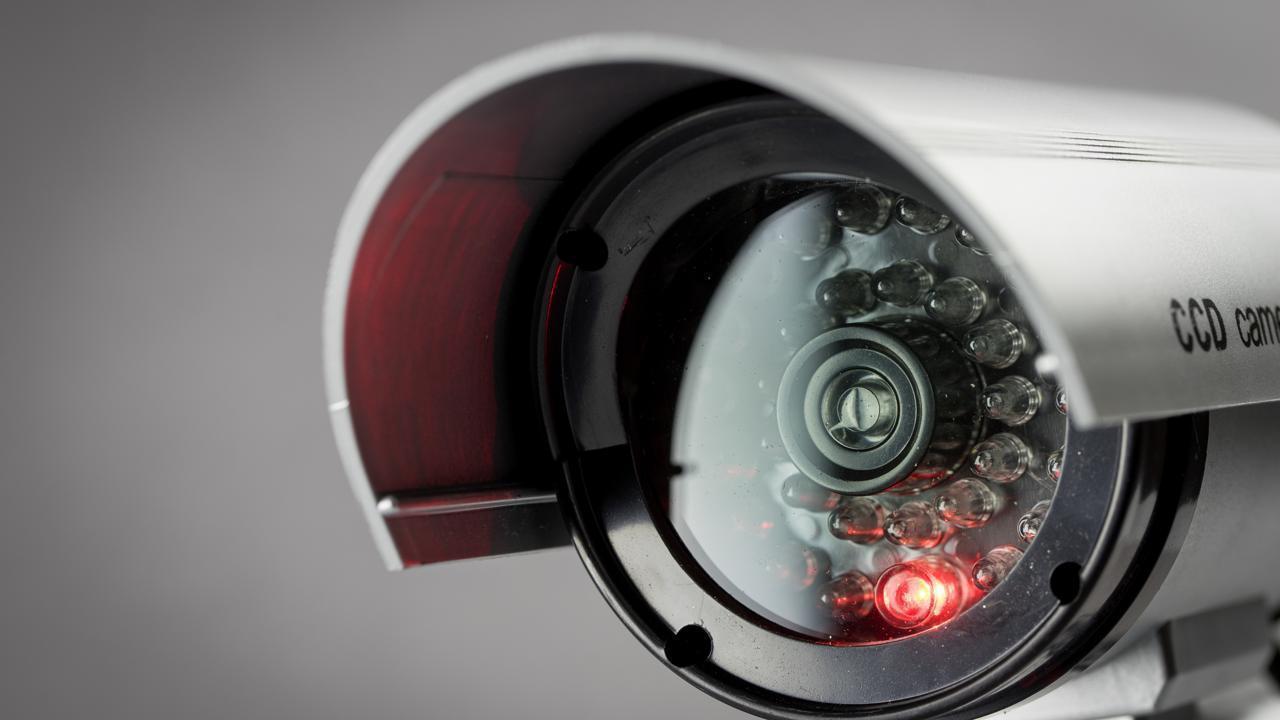
Indian Railways has launched a nationwide initiative to install Closed Circuit Television (CCTV) cameras across all categories of passenger coaches. This large-scale deployment underscores the growing importance of surveillance technology in public transport and reflects the national transporter’s resolve to ensure safer journeys for millions of daily commuters and long-distance travelers.
With increasing demands for accountability, deterrence against crimes, and real-time monitoring of coach interiors, the introduction of CCTV systems is being viewed as a critical leap toward digitized rail travel. The project comes at a time when passenger confidence is a key priority, and authorities are looking to harness smart technology to offer not just speed and convenience—but also peace of mind.
A Pan-India Rollout Across Coach Types
The installation of CCTV cameras is being rolled out across all coach types, including general class, sleeper, AC coaches, chair cars, and even premium trains like Rajdhani, Shatabdi, Vande Bharat, and Duronto. The initiative covers both newly manufactured coaches and retrofitting of existing rolling stock under the Railways’ modernization program.
According to official statements, each coach will be equipped with a minimum of four to six high-definition cameras placed strategically—at entrances, corridors, and common areas—to provide maximum coverage without infringing on individual privacy. Live feed from these cameras will be integrated with centralized monitoring systems at the coach and train levels, with select connectivity to regional control centers.
The implementation is being coordinated through Indian Railways’ Production Units and zonal workshops, and work is already underway across multiple railway divisions.
Safety Beyond the Platform
For years, Indian Railways has focused on deploying CCTV at stations—particularly in ticket halls, foot-overbridges, and platform ends. But safety challenges onboard trains remained largely dependent on travelling security staff, random ticket checks, and passenger vigilance.
With this new CCTV initiative, the focus now extends to the journey itself. Train coaches, especially in overnight and long-haul services, often face issues ranging from theft and harassment to passenger misconduct and emergency medical cases. The lack of visual data has long hampered investigations and response efficiency.
Railway officials believe that with onboard video surveillance, incidents can be better prevented, documented, and addressed—be it a missing baggage complaint, unauthorized entry, or cases requiring police or medical assistance.
Strengthening Women’s Security on Trains
One of the strongest motivations behind this push is enhancing security for women passengers. Reports of inappropriate behavior, stalking, or theft in sleeper coaches have often been difficult to act upon due to the absence of evidence. Now, the deployment of CCTV is expected to deter offenders and empower enforcement agencies with real-time footage.
The Ministry of Railways has specifically emphasized women's safety in its mandate, noting that designated women’s coaches, as well as shared compartments, will have additional surveillance attention. Integration with Railway Protection Force (RPF) control rooms will allow for alerts and immediate intervention if misconduct is detected.
The move is in line with larger national schemes such as the “Nirbhaya Fund” projects, which aim to bolster security infrastructure for women in public spaces.
Centralized Monitoring and AI Integration
Modern surveillance isn't just about cameras—it’s about how the data is used. Indian Railways is now developing a centralized ecosystem where CCTV feeds from coaches are stored and analyzed through backend systems equipped with analytics tools.
In the next phase, authorities are exploring Artificial Intelligence (AI) integration to detect suspicious behavior, unattended baggage, or crowd surges within compartments. These smart features will alert operators in real time, enabling faster decisions and resource deployment.
While live remote access from moving trains is limited by connectivity, many long-distance express routes are being equipped with stronger 4G/5G-based systems and data routers to allow intermittent uploads. This hybrid offline-online approach will allow footage to be retrieved, stored, and shared when the network permits, ensuring no lapse in evidence gathering.
Addressing Privacy Concerns
While the need for surveillance is widely accepted, the Railways has clarified that the CCTV cameras are being installed in a way that does not invade passengers' personal space. There will be no cameras inside toilets or personal compartments of premium AC coaches with lockable doors. Instead, coverage will focus on public areas—entryways, connecting corridors, and general seating spaces.
Clear signage will be displayed in all coaches notifying passengers of CCTV presence, and data access will be restricted to authorized personnel only. Footage retention protocols, encryption systems, and cyber protections will be enforced to ensure that privacy is not compromised and data is not misused.
Officials have also assured that this system is being deployed in line with data protection principles and under the supervision of railway vigilance and IT departments.
Cost and Scale of Deployment
The CCTV project is part of a ₹500-crore modernization scheme under Indian Railways’ ongoing transformation efforts. Funding has been sourced from both internal budget allocations and external safety funds, with project timelines aligned to the national ‘Digital India’ mission.
On average, each coach will require installation costs ranging from ₹25,000 to ₹50,000 depending on wiring complexity, data storage capacity, and the inclusion of advanced analytics tools. Retrofitting older coaches involves structural adaptation, which is being handled at maintenance depots and zonal workshops.
In new LHB (Linke Hofmann Busch) coaches and Vande Bharat trains, the surveillance infrastructure is being built-in during production, ensuring faster rollout and long-term durability.
A Step Toward Smart Trains
This CCTV initiative is also an important stepping stone toward the broader vision of “smart trains” in India. Apart from cameras, Indian Railways is simultaneously deploying passenger information systems, automatic door sensors, fire detection units, and GPS-based live train tracking across many services.
The convergence of these systems is expected to offer a 360-degree view of onboard activity and health. For instance, if a fire is detected, CCTV feeds can help identify the source and aid in rescue coordination. If a medical emergency arises, monitoring staff can guide onboard personnel with immediate visuals.
Over time, these systems may be linked with national security databases to screen potential threats, particularly during high-risk events like elections, festivals, or political rallies.
Public Response and Stakeholder Reactions
Initial public feedback to the announcement has been largely positive, with frequent travelers and railway user associations praising the move as “long overdue.” Many have called for faster deployment and stronger integration with mobile alert systems, especially for women and elderly passengers.
However, some privacy advocates and civil rights groups have urged the Railways to maintain transparency in data usage, implement third-party audits, and limit footage retention to essential periods.
The Railways, for its part, has promised public consultations and feedback-based refinements to its implementation model, aiming for security without compromise on civil liberties.
What This Means for the Future
The decision to equip all railway coaches with CCTV surveillance marks a turning point in Indian Railways' modernization journey. It signals a shift from reactive security measures to proactive monitoring, and from manual vigilance to digital oversight.
As the country embraces smarter infrastructure in both urban and long-distance travel, such technology interventions will become the norm. The real success, however, will lie in the system’s ability to deter crime, ensure swift justice, and offer every passenger—irrespective of class or coach—the reassurance that their safety matters.
For Indian Railways, which carries over 23 million people each day, this is not just a tech upgrade. It’s a commitment to every voice that’s ever said, “Travel should feel safe.”
Indian Railways, Passanger Safety



Advances in Aerospace Technology and Commercial Aviation Recovery
Insights into breakthrough aerospace technologies and commercial aviation’s recovery amid 2025 chall

Defense Modernization and Strategic Spending Trends
Explore key trends in global defense modernization and strategic military spending shaping 2025 secu

Tens of Thousands Protest in Serbia on Anniversary of Deadly Roof Collapse
Tens of thousands in Novi Sad mark a year since a deadly station roof collapse that killed 16, prote

Canada PM Carney Apologizes to Trump Over Controversial Reagan Anti-Tariff Ad
Canadian PM Mark Carney apologized to President Trump over an Ontario anti-tariff ad quoting Reagan,

The ad that stirred a hornets nest, and made Canadian PM Carney say sorry to Trump
Canadian PM Mark Carney apologizes to US President Trump after a tariff-related ad causes diplomatic

Bengaluru-Mumbai Superfast Train Approved After 30-Year Wait
Railways approves new superfast train connecting Bengaluru and Mumbai, ending a 30-year demand, easi




