Post by : Amit
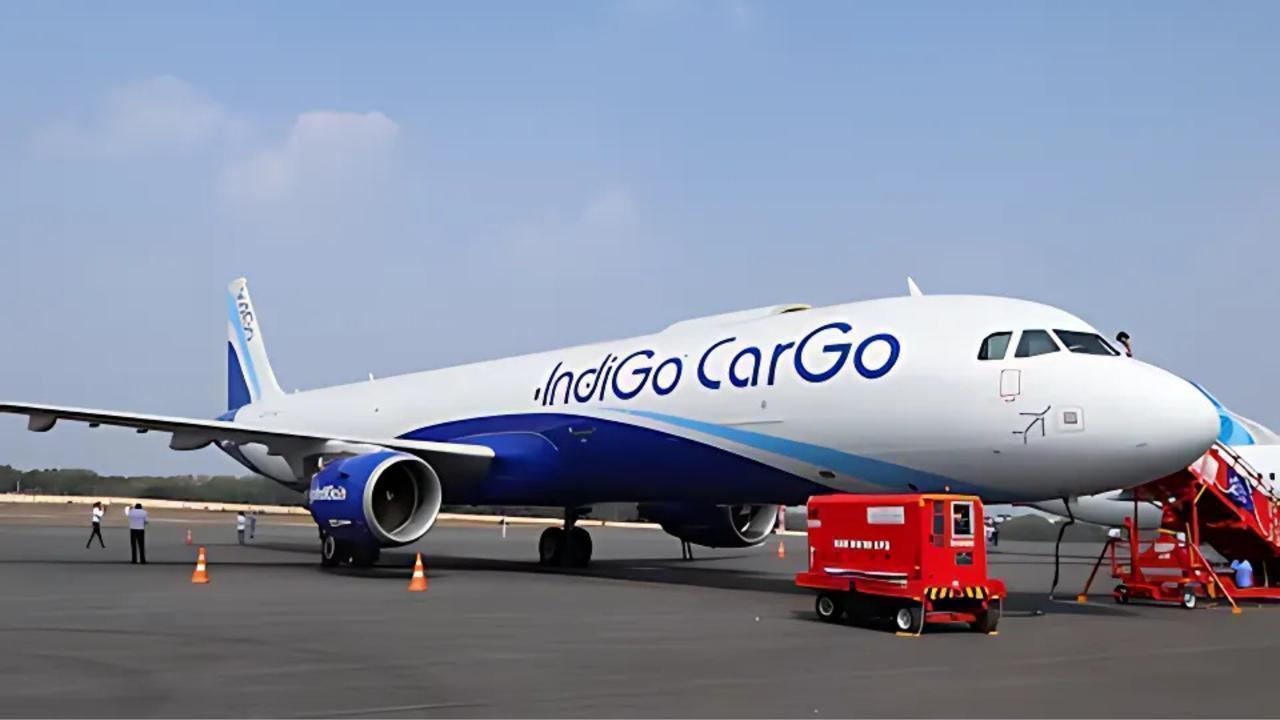
Photo : Reuters
Bird Strike Forces IndiGo Aircraft to Return Mid-Flight
In a harrowing incident that underscores the persistent risks posed by wildlife to aviation safety, an IndiGo flight carrying 175 passengers was forced to make an emergency return after suffering a technical malfunction mid-air caused by a bird strike. The flight, operating from Indore to Ahmedabad, developed the snag shortly after takeoff on July 9, 2024, prompting swift action from the flight crew to ensure the safety of all on board.
All passengers and crew members were reported safe, and the aircraft landed without incident back at Devi Ahilyabai Holkar International Airport in Indore, where further technical assessments were carried out.
Details of the Incident: Swift Decision Averts Potential Crisis
The incident took place when the IndiGo Airbus A320 encountered a bird strike soon after departure. As is often the case with such occurrences, the collision triggered immediate safety checks by the cockpit crew, who noticed technical anomalies indicative of a possible engine or systems issue.
Applying established safety protocols, the pilots declared a precautionary emergency and opted to turn back rather than proceed with the scheduled flight to Ahmedabad. The aircraft landed safely, and passengers were promptly deboarded. Airline engineers inspected the aircraft for damage caused by the bird impact.
IndiGo, India’s largest airline by market share, confirmed the technical snag and emphasized that passenger safety remained the highest priority throughout the ordeal.
Bird Strikes: A Persistent Threat to Aviation Safety
Bird strikes are among the most common hazards faced by the aviation industry worldwide. The International Civil Aviation Organization (ICAO) estimates that bird strikes cost airlines over $1.4 billion annually in repairs, flight delays, and cancellations. While most bird strikes occur during takeoff or landing, when aircraft are at lower altitudes, they can sometimes lead to serious consequences, including engine damage and system failures.
India, with its vast network of airports located near natural habitats, faces frequent bird strike incidents. Airports such as Delhi, Mumbai, Hyderabad, and Kolkata have all reported bird strike cases, particularly during the monsoon and migratory seasons when bird activity around airports peaks.
IndiGo’s Robust Safety and Response Measures
In the wake of this latest incident, IndiGo Airlines reiterated its adherence to strict safety protocols, including regular bird hazard assessments and wildlife management strategies around airport environments. The airline, which operates over 2,000 daily flights, maintains one of the region’s most modern fleets comprising mainly Airbus A320 and A321neo aircraft known for their reliability and safety systems.
The flight crew’s decision to return as a precaution demonstrates the airline’s zero-compromise approach to passenger safety, even in situations where the technical fault may initially appear manageable.
Growing Need for Wildlife Hazard Management in Indian Aviation
The incident also brings renewed focus on the need for enhanced wildlife management practices at Indian airports. Despite improvements in airport infrastructure, wildlife—including birds, stray animals, and even drones—continues to pose operational risks. Several airports have invested in bird detection radar systems, bio-acoustic deterrents, and trained bird chasers to mitigate such threats.
The Directorate General of Civil Aviation (DGCA) has also issued guidelines mandating that airport operators conduct regular wildlife risk assessments and implement active mitigation strategies. However, the sheer scale and biodiversity around many Indian airports make complete elimination of bird strike risks a complex challenge.
Passengers Safely Accommodated and Rescheduled
Following the safe landing, IndiGo ensured that all 175 affected passengers were accommodated on subsequent flights to Ahmedabad. The airline provided standard care and assistance, including refreshments and support staff on the ground.
Passengers expressed relief and gratitude towards the crew for their composed handling of the situation. Some took to social media to share their experiences, highlighting the professionalism of the pilots and cabin crew in managing the emergency without causing panic.
Impact on IndiGo and Industry-wide Lessons
While this specific incident ended without injury or aircraft damage, it serves as a stark reminder of the operational challenges faced by airlines not only in India but worldwide. For IndiGo, the safe resolution reinforces the airline’s strong safety culture but also points to the need for continued investment in aircraft maintenance, pilot training, and airport wildlife control.
Aviation experts suggest that bird strike incidents, though often unavoidable, can be better managed through a combination of technology upgrades, stricter airside cleanliness, and community engagement to control bird populations near airports.
The Bigger Picture: Aviation Safety Amid Rapid Growth
India’s aviation sector is one of the fastest-growing in the world, with airlines expanding fleets and routes to meet surging demand from domestic and international travelers. However, this growth also amplifies the importance of rigorous safety measures, including those addressing seemingly routine but potentially dangerous events like bird strikes.
As more passengers take to the skies, the role of the DGCA, airlines, and airport operators in maintaining robust safety ecosystems will become even more critical. Public trust in air travel hinges not just on convenience but also on the industry's ability to safeguard lives in the face of both routine and rare challenges.
Safety Above All in Modern Aviation
The recent IndiGo mid-air snag caused by a bird strike is a testament to the resilience of modern aviation safety systems and the professionalism of flight crews. While bird strikes remain an inherent risk in aviation, the decisive actions taken by IndiGo’s pilots highlight the critical importance of preparedness, adherence to protocols, and technological vigilance.
As India’s aviation landscape continues to expand, incidents like these will serve as important learning moments—reinforcing the need for ongoing investment in safety infrastructure, wildlife hazard management, and crew readiness to ensure that passenger journeys remain as safe as they are efficient.
Aviation, DGCA, India, Indigo



Advances in Aerospace Technology and Commercial Aviation Recovery
Insights into breakthrough aerospace technologies and commercial aviation’s recovery amid 2025 chall

Defense Modernization and Strategic Spending Trends
Explore key trends in global defense modernization and strategic military spending shaping 2025 secu

Tens of Thousands Protest in Serbia on Anniversary of Deadly Roof Collapse
Tens of thousands in Novi Sad mark a year since a deadly station roof collapse that killed 16, prote

Canada PM Carney Apologizes to Trump Over Controversial Reagan Anti-Tariff Ad
Canadian PM Mark Carney apologized to President Trump over an Ontario anti-tariff ad quoting Reagan,

The ad that stirred a hornets nest, and made Canadian PM Carney say sorry to Trump
Canadian PM Mark Carney apologizes to US President Trump after a tariff-related ad causes diplomatic

Bengaluru-Mumbai Superfast Train Approved After 30-Year Wait
Railways approves new superfast train connecting Bengaluru and Mumbai, ending a 30-year demand, easi




