Post by : Amit
Indonesia Forces Civil Servants to Use Public Transport in Bold Move to Tackle Urban Congestion and Pollution
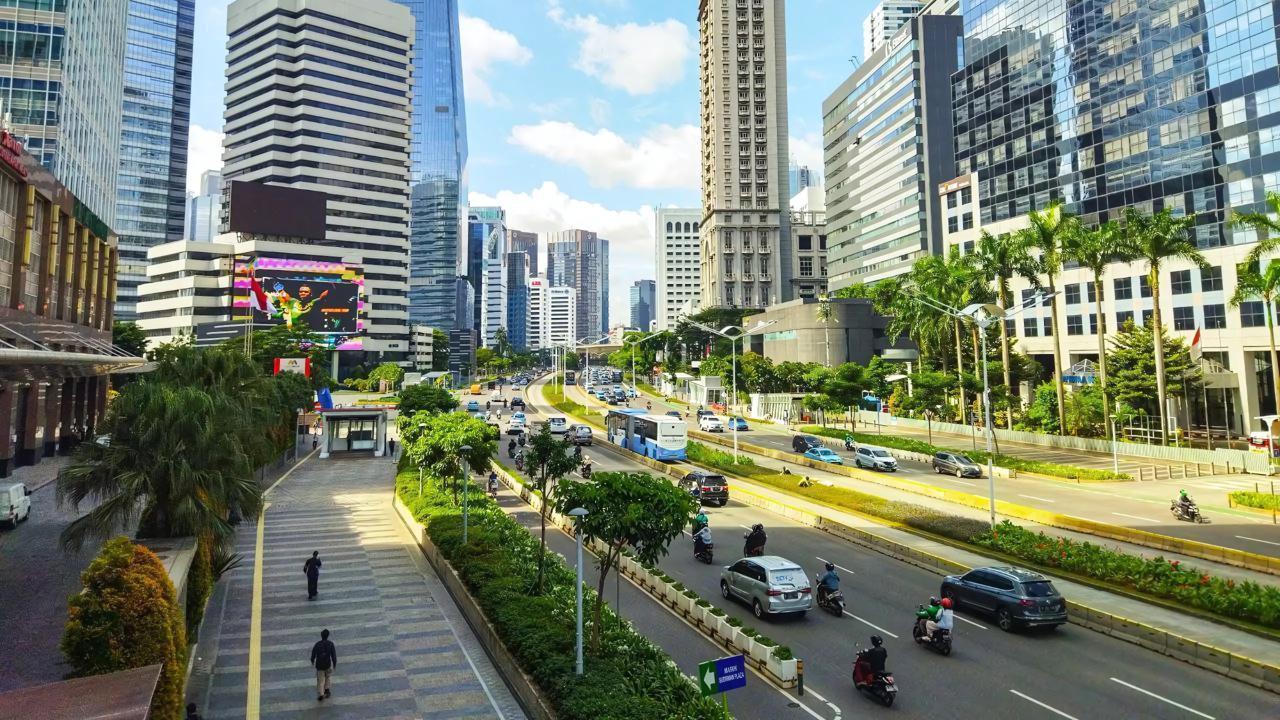
As Jakarta's skyline stretches higher and its streets grow denser with endless lines of traffic, Indonesia’s government is taking an unprecedented step to fight the city’s chronic congestion and worsening air pollution. In a landmark policy shift, civil servants are now required to use public transportation on weekdays, marking a determined push towards greener, more sustainable urban mobility.
A Nation Grappling with Traffic and Pollution
Indonesia’s capital Jakarta is infamous for some of the world’s worst traffic jams, where daily commutes can stretch into hours and air quality frequently plummets to hazardous levels. The government’s latest directive to mandate public transport for civil servants comes at a time when environmental degradation and urban gridlock are not only affecting the health of citizens but also hampering economic productivity.
The policy, which forces thousands of government employees to swap their private cars for buses, commuter trains, or the Mass Rapid Transit (MRT) system, aims to significantly cut vehicular emissions and set a new example for the broader public. By positioning civil servants as role models in sustainable commuting, the administration hopes to drive a wider cultural shift toward eco-friendly transportation choices.
Environmental Emergency Drives Policy
Air pollution in Jakarta regularly exceeds safe thresholds, with particulate matter levels linked to respiratory illnesses, cardiovascular disease, and premature deaths. The city’s growing reliance on private vehicles has been a major contributor to these environmental challenges.
Indonesia’s government sees this new policy as an immediate way to reduce the number of cars on the roads. Every private car removed from Jakarta’s congested arteries translates into fewer emissions and a measurable impact on air quality. The strategy is expected to help the country inch closer to its commitments under the Paris Agreement, while also addressing the pressing need for healthier urban living conditions.
Revamping Public Transit for Greater Reliability
Central to the success of this policy is the availability and reliability of public transportation. Historically, Indonesia’s public transit systems have been plagued by overcrowding, inconsistent schedules, and poor last-mile connectivity. Recognizing this, the government has ramped up investments in expanding Jakarta’s MRT lines, upgrading bus services, and introducing new digital technologies to streamline commuting.
Modern air-conditioned buses, integrated ticketing systems, and improved station infrastructure are gradually reshaping the image of public transportation in the city. For the thousands of civil servants who will now rely on these services daily, these improvements are essential to ensuring the policy’s acceptance and long-term viability.
Changing Commuting Culture: From Cars to Collective Transit
One of the most significant hurdles facing the Indonesian government is not infrastructural, but cultural. Car ownership has long been associated with social status in Indonesia, while public transport has often carried a stigma of being inconvenient or lower-class.
By mandating public transport for civil servants, the government is making a symbolic and practical statement: sustainable mobility must take precedence over personal convenience or social image. Civil servants, through their everyday commuting habits, are expected to lead by example, demonstrating that public transit can be efficient, respectable, and environmentally responsible.
Economic and Social Benefits Beyond the Environment
Beyond environmental concerns, the policy promises economic and social advantages. Traffic congestion costs Jakarta billions in lost productivity annually. By encouraging mass transit, the government hopes to improve punctuality, reduce commuter stress, and foster a healthier work-life balance for its employees.
Moreover, mass adoption of public transport could catalyze new investments in transit-oriented development, stimulate the local economy through increased footfall in transit hubs, and create jobs related to transport infrastructure expansion.
Learning from Global Success Stories
Indonesia’s move is inspired by international examples where public transport is central to urban life. Cities such as Singapore, Seoul, and Copenhagen offer compelling case studies in how efficient, reliable, and well-integrated public transit systems can transform urban living. These cities have successfully curbed private car use through smart policies, infrastructure investments, and cultural shifts that have made public transport the preferred choice for most commuters.
Indonesia is now looking to replicate similar success by combining regulatory mandates with ongoing public transit improvements. The hope is that civil servants will serve as early adopters, eventually influencing broader behavioral change across all demographics.
Challenges: Infrastructure Gaps and Public Resistance
However, implementing such a transformative policy is not without challenges. Many areas in Jakarta and other cities still suffer from limited public transport coverage, especially in suburban and peri-urban regions. Commuters often face long wait times, safety concerns, and unreliable schedules.
Public resistance is also a concern. Mandating transport choices can be perceived as intrusive or burdensome, especially if the alternatives are not up to par. To counter this, the government has pledged to accelerate improvements in service quality, increase frequency of buses and trains, and invest in new routes that enhance accessibility.
Future Plans: Expanding Beyond Civil Servants
While the current policy targets civil servants, there is growing speculation that similar measures could eventually apply to private sector employees or the general public through incentives, subsidies, or stricter vehicle regulations. Authorities are also considering introducing congestion pricing, stricter vehicle emissions standards, and further expansion of public transportation networks.
The civil servant mandate is thus being viewed as a testing ground—a way to gauge public reaction, measure environmental impact, and refine approaches before broader implementation.
Public Awareness and Education Campaigns
Recognizing that behavioral change takes time, the government has launched widespread public education campaigns to raise awareness about the benefits of public transport. From highlighting the health impacts of pollution to promoting the economic savings of public commuting, these campaigns aim to shift mindsets and foster a sense of collective responsibility for urban sustainability.
Media, influencers, and community leaders are also being enlisted to advocate for the policy, creating a multi-pronged approach to ensure its success.
Long-Term Vision: A Cleaner, Smarter Indonesia
Ultimately, the policy reflects Indonesia’s commitment to developing smarter, greener cities that prioritize public well-being over unchecked urban sprawl and environmental degradation. By starting with its own workforce, the government is laying the groundwork for a future where efficient public transit is at the heart of urban mobility.
If successful, this initiative could set a precedent not only within Indonesia but also serve as a model for other emerging economies grappling with similar urban mobility challenges.
A Defining Moment for Sustainable Mobility
Indonesia’s decision to require civil servants to use public transportation is more than a symbolic gesture—it's a pioneering step towards reimagining how the nation moves, breathes, and grows. With the right infrastructure investments, cultural change, and sustained political will, this policy could mark the beginning of a cleaner, healthier, and more connected urban future for millions of Indonesians.
Indonesia , Civil Servants



Advances in Aerospace Technology and Commercial Aviation Recovery
Insights into breakthrough aerospace technologies and commercial aviation’s recovery amid 2025 chall

Defense Modernization and Strategic Spending Trends
Explore key trends in global defense modernization and strategic military spending shaping 2025 secu

Tens of Thousands Protest in Serbia on Anniversary of Deadly Roof Collapse
Tens of thousands in Novi Sad mark a year since a deadly station roof collapse that killed 16, prote

Canada PM Carney Apologizes to Trump Over Controversial Reagan Anti-Tariff Ad
Canadian PM Mark Carney apologized to President Trump over an Ontario anti-tariff ad quoting Reagan,

The ad that stirred a hornets nest, and made Canadian PM Carney say sorry to Trump
Canadian PM Mark Carney apologizes to US President Trump after a tariff-related ad causes diplomatic

Bengaluru-Mumbai Superfast Train Approved After 30-Year Wait
Railways approves new superfast train connecting Bengaluru and Mumbai, ending a 30-year demand, easi




