Post by : Saif
A deadly train accident in southern Mexico has shocked the nation and raised urgent questions about railway safety. At least 13 people were killed and dozens more were injured after an Interoceanic Train derailed, according to early reports from local authorities and emergency teams.
The train was part of Mexico’s Interoceanic Corridor project, a major infrastructure plan meant to connect the Pacific Ocean and the Gulf of Mexico through rail and ports. The project is seen as a key development effort to boost trade, jobs, and regional growth in the country’s southern states. The accident, however, has cast a dark shadow over these ambitions.
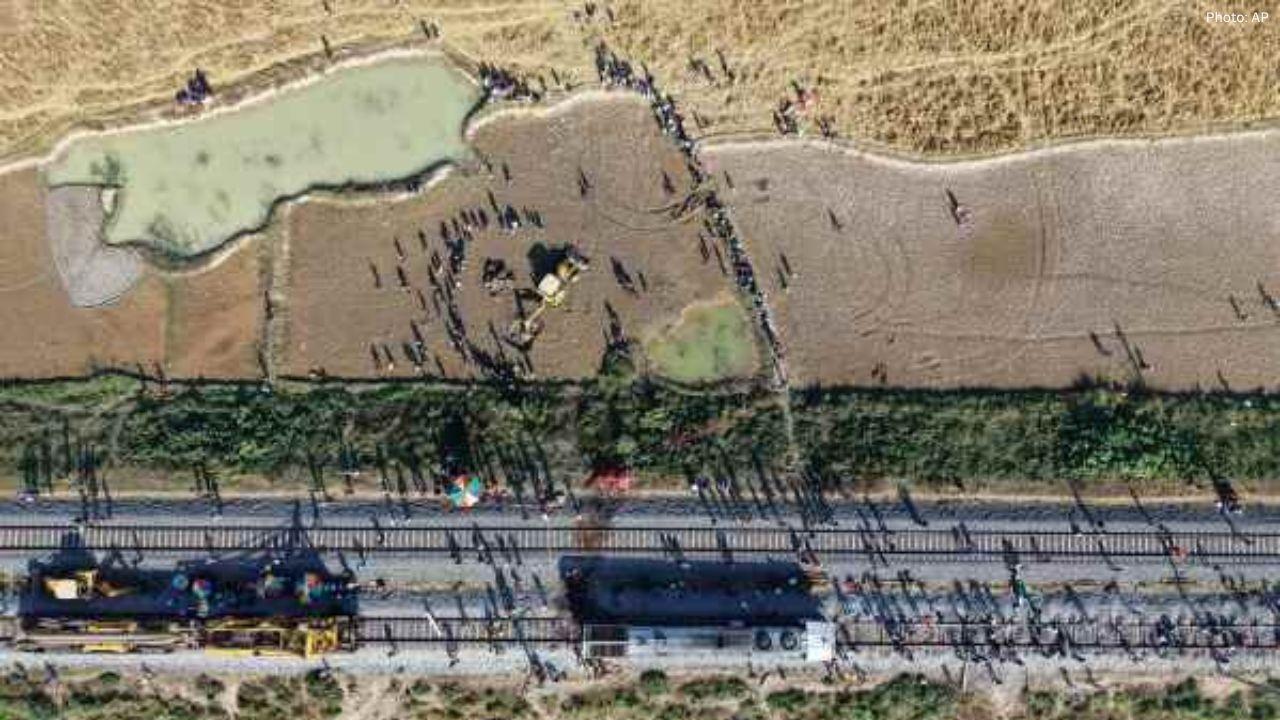
The derailment happened when several coaches suddenly left the tracks, causing panic among passengers. Some train cars overturned, while others were badly damaged. Rescue teams rushed to the scene, working through difficult conditions to pull survivors from the wreckage. Ambulances, firefighters, and police remained on site for hours, helping the injured and recovering bodies.
Hospitals in nearby towns were placed on emergency alert as dozens of injured passengers were brought in for treatment. Some suffered broken bones and head injuries, while others were treated for shock. Authorities fear the death toll could rise as several victims remain in critical condition.
Officials have not yet confirmed the exact cause of the derailment. Early investigations are focusing on track conditions, train speed, and possible technical failures. Weather and maintenance records are also being reviewed. Rail experts say derailments can result from many factors, including weak tracks, poor signaling systems, or mechanical problems.
The Mexican government has ordered a full investigation into the accident. Transport and railway officials have promised transparency and accountability. They say safety checks will be reviewed not only on the Interoceanic route but across other major rail lines as well.
Families of the victims are demanding answers. Many want to know whether safety rules were properly followed and whether warning signs were ignored. For communities that welcomed the rail project as a symbol of progress, the tragedy has turned hope into grief and anger.
The Interoceanic Corridor was designed to offer a faster alternative to global shipping routes and to reduce poverty in southern Mexico. This accident, however, highlights the risks of rushing large projects without strong safety systems in place. Infrastructure growth must go hand in hand with strict checks, training, and long-term maintenance.
As Mexico mourns the lives lost, the derailment serves as a painful reminder that human safety must come before economic goals. The findings of the investigation will be closely watched, not only by families and passengers, but by the entire nation. The key question now is whether lessons will be learned to prevent such a tragedy from happening again.
#trending #latest #MexicoTrainCrash #InteroceanicTrain #RailwayAccident #PublicSafety #TransportNews #InfrastructureSafety #MexicoNews #TrainDerailment #armustnews



Advances in Aerospace Technology and Commercial Aviation Recovery
Insights into breakthrough aerospace technologies and commercial aviation’s recovery amid 2025 chall

Defense Modernization and Strategic Spending Trends
Explore key trends in global defense modernization and strategic military spending shaping 2025 secu

Tens of Thousands Protest in Serbia on Anniversary of Deadly Roof Collapse
Tens of thousands in Novi Sad mark a year since a deadly station roof collapse that killed 16, prote

Canada PM Carney Apologizes to Trump Over Controversial Reagan Anti-Tariff Ad
Canadian PM Mark Carney apologized to President Trump over an Ontario anti-tariff ad quoting Reagan,

The ad that stirred a hornets nest, and made Canadian PM Carney say sorry to Trump
Canadian PM Mark Carney apologizes to US President Trump after a tariff-related ad causes diplomatic

Bengaluru-Mumbai Superfast Train Approved After 30-Year Wait
Railways approves new superfast train connecting Bengaluru and Mumbai, ending a 30-year demand, easi




