Post by : Saif
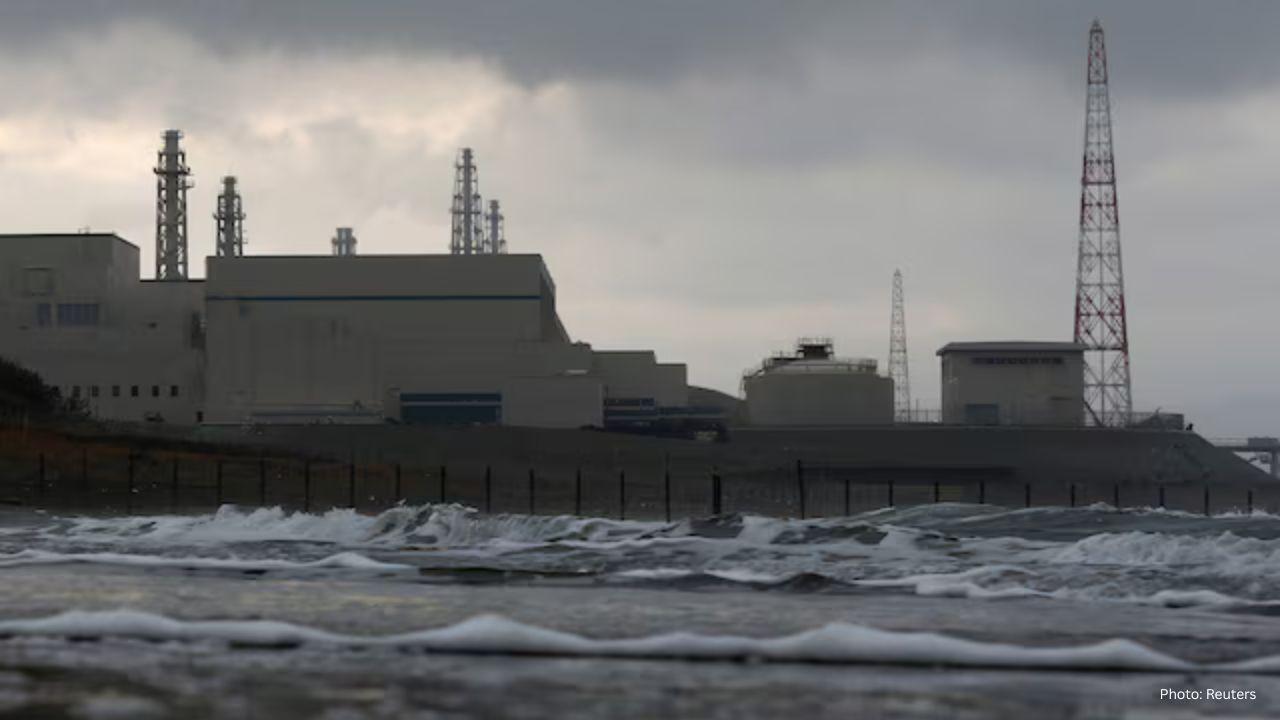
Japan is on the verge of a major energy decision as a regional governor prepares to announce whether he will allow a partial restart of the Kashiwazaki-Kariwa nuclear power plant, the largest in the world. The decision is expected from Niigata Prefecture Governor Hideyo Hanazumi on Friday, and it could mark a significant step for Japan’s nuclear energy revival.
The Kashiwazaki-Kariwa plant, operated by Tokyo Electric Power Company (TEPCO), has been inactive since the 2011 Fukushima disaster. Back then, a tsunami destroyed TEPCO’s Fukushima Daiichi plant, leading to a complete shutdown of all 54 nuclear reactors in the country. Restarting units at Kashiwazaki-Kariwa would be the first for TEPCO since that disaster.
If approved, TEPCO plans to restart units No. 6 and No. 7. Together, these two reactors can produce 2,710 megawatts of electricity, roughly a third of the plant’s total capacity of 8,212 MW. The restart would strengthen Japan’s energy supply, reduce the country’s heavy reliance on fossil fuels, and help control rising electricity costs. TEPCO has also said it plans to decommission some of the other five units at the facility.
Prime Minister Sanae Takaichi, who took office last month, has expressed support for more nuclear restarts to enhance Japan’s energy security. Chief Cabinet Secretary Minoru Kihara emphasized that restarting reactors is “extremely important from the perspective of reducing power supply and electricity prices, and securing decarbonized power sources.”
Currently, Japan has restarted 14 of the 33 operable reactors out of the 54 that were in use before Fukushima. However, concerns remain, including a recent report by Japan’s nuclear regulator about inadequate management of confidential security documents at Kashiwazaki-Kariwa, which could influence the governor’s decision.
Meanwhile, Kansai Electric Power, Japan’s top nuclear operator, has announced plans to explore building a new reactor in western Japan. If approved, it would be the first new nuclear unit in the country since the Fukushima disaster.
The decision by Governor Hanazumi is expected at 4 p.m. local time (0700 GMT) on Friday. It will be closely watched by energy experts, government officials, and international observers, as it could signal a turning point for Japan’s nuclear energy strategy and its efforts to reduce dependence on imported fossil fuels.
Restarting these reactors may also help Japan achieve a more balanced energy mix and contribute to global climate goals by providing more low-carbon electricity to the national grid.
#trending #latest #JapanNuclear #KashiwazakiKariwa #TEPCO #NuclearEnergy #EnergySecurity #JapanEnergy #FossilFuelReduction



Advances in Aerospace Technology and Commercial Aviation Recovery
Insights into breakthrough aerospace technologies and commercial aviation’s recovery amid 2025 chall

Defense Modernization and Strategic Spending Trends
Explore key trends in global defense modernization and strategic military spending shaping 2025 secu

Tens of Thousands Protest in Serbia on Anniversary of Deadly Roof Collapse
Tens of thousands in Novi Sad mark a year since a deadly station roof collapse that killed 16, prote

Canada PM Carney Apologizes to Trump Over Controversial Reagan Anti-Tariff Ad
Canadian PM Mark Carney apologized to President Trump over an Ontario anti-tariff ad quoting Reagan,

The ad that stirred a hornets nest, and made Canadian PM Carney say sorry to Trump
Canadian PM Mark Carney apologizes to US President Trump after a tariff-related ad causes diplomatic

Bengaluru-Mumbai Superfast Train Approved After 30-Year Wait
Railways approves new superfast train connecting Bengaluru and Mumbai, ending a 30-year demand, easi




