Post by : Saif
Japan has introduced a new program aimed at cutting wasteful government spending, hoping to ease public and market concerns about the country’s large national debt and expansionary fiscal policies. The plan, announced on Tuesday in Tokyo, will examine existing investment funds, tax benefits, and subsidy programs that may no longer be necessary.
The idea has been compared by analysts to the Department of Government Efficiency (DOGE) created earlier by U.S. President Donald Trump. However, Japanese officials say their approach is different, focusing mainly on reviewing and adjusting spending rather than restructuring government agencies.
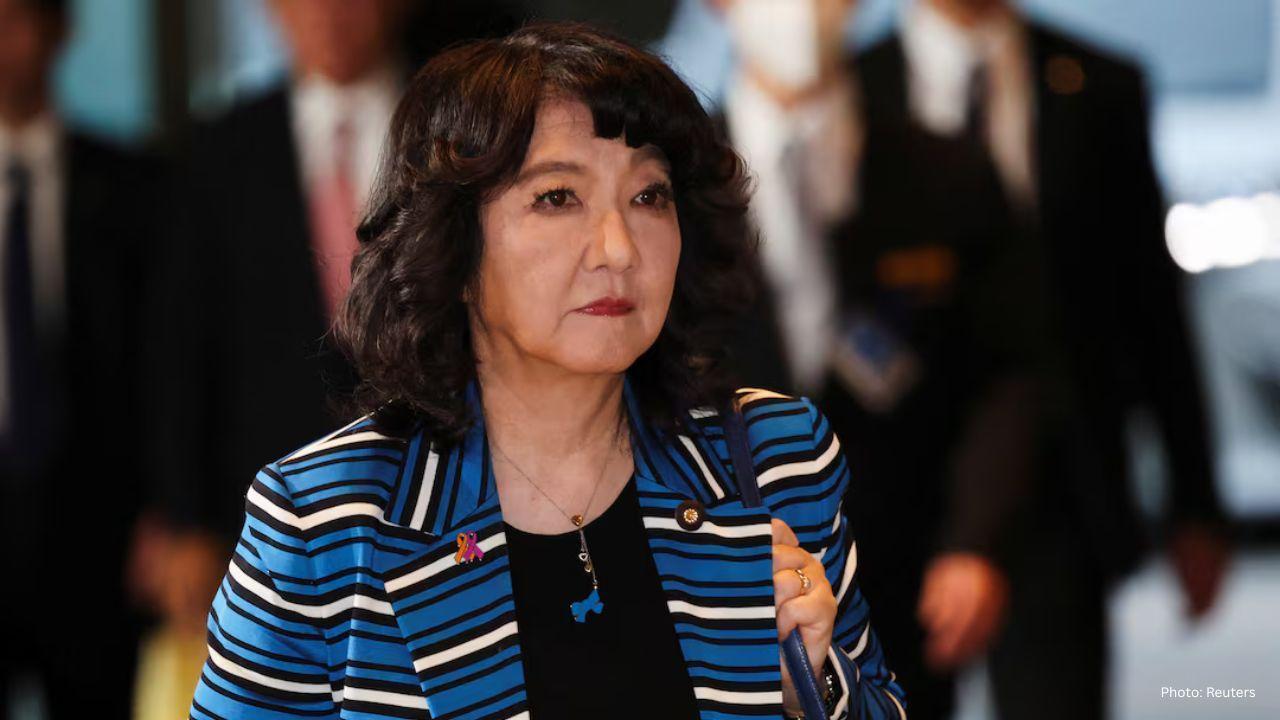
Finance Minister Satsuki Katayama is leading the review team, which includes senior officials from the finance ministry and other departments. She explained that the main goal is to ensure the government is spending wisely and responsibly. Katayama said it is important to show people that the government is constantly looking at how public money is used, especially at a time when Japan’s debt is already among the highest in the world.
Katayama made it clear that the review is not intended to eliminate ministries or overhaul the government structure. Instead, it will identify subsidies, tax breaks, or funds that are outdated, wasteful, or no longer serving a useful purpose. Some programs may be reduced immediately, while others will be considered more carefully as the fiscal 2027 budget is prepared next year.
In an unusual move, the government also plans to gather opinions from citizens through social media. People will be encouraged to share their thoughts on which government subsidies or spending practices they believe should be changed or removed. However, the government will not set a fixed target for how much spending should be cut, meaning the size of reductions will depend on the review’s findings.
The push for spending reform comes just days after Prime Minister Sanae Takaichi’s cabinet approved a large economic stimulus plan worth 21.3 trillion yen, or about $136 billion. The move underlined the government’s strategy of supporting the economy with strong financial measures, but it also caused market worries. The new spending contributed to a recent decline in the value of the yen and Japanese government bonds, adding pressure for reforms to restore confidence.
The government hopes that this new review process will demonstrate a commitment to responsible budgeting, balancing the need for economic support with the need to protect the country’s long-term financial stability. Japan has struggled with debt issues for decades, and officials believe careful spending reforms can help show that the government is serious about managing national finances wisely.
For now, the success of the plan will depend on transparency, public engagement, and whether the government is willing to make meaningful changes based on its findings. The coming months are likely to bring strong debate over which programs should be kept and which should be reduced or eliminated.
#trending #latest #Japan #Economy #GovernmentSpending #SatsukiKatayama #SanaeTakaichi #FiscalPolicy #PublicFinance #DebtManagement #Tokyo #GlobalEconomy



Advances in Aerospace Technology and Commercial Aviation Recovery
Insights into breakthrough aerospace technologies and commercial aviation’s recovery amid 2025 chall

Defense Modernization and Strategic Spending Trends
Explore key trends in global defense modernization and strategic military spending shaping 2025 secu

Tens of Thousands Protest in Serbia on Anniversary of Deadly Roof Collapse
Tens of thousands in Novi Sad mark a year since a deadly station roof collapse that killed 16, prote

Canada PM Carney Apologizes to Trump Over Controversial Reagan Anti-Tariff Ad
Canadian PM Mark Carney apologized to President Trump over an Ontario anti-tariff ad quoting Reagan,

The ad that stirred a hornets nest, and made Canadian PM Carney say sorry to Trump
Canadian PM Mark Carney apologizes to US President Trump after a tariff-related ad causes diplomatic

Bengaluru-Mumbai Superfast Train Approved After 30-Year Wait
Railways approves new superfast train connecting Bengaluru and Mumbai, ending a 30-year demand, easi




