Post by : Amit
where time flows like the sacred Ganges and ancient wisdom whispers through every narrow alley, the city of Kashi—known to the modern world as Varanasi—is quietly stepping into the future. Revered as one of the oldest living cities on the planet, Kashi’s labyrinth of ghats, temples, and centuries-old lanes has drawn seekers, pilgrims, and travelers for millennia. Now, in an unprecedented move blending heritage with high-tech innovation, the city is embracing artificial intelligence to transform how people move through its sacred streets.
In a first-of-its-kind initiative for India, Varanasi has been selected to pilot an AI-powered Pedestrian Management System (PMS)—a futuristic project aimed at easing the chaos of its bustling roads while preserving the soul of this ancient city. Backed by the Asian Development Bank (ADB), this visionary step places Kashi among a select group of Asian cities harnessing cutting-edge technology to create safer, smarter, and more livable urban environments.
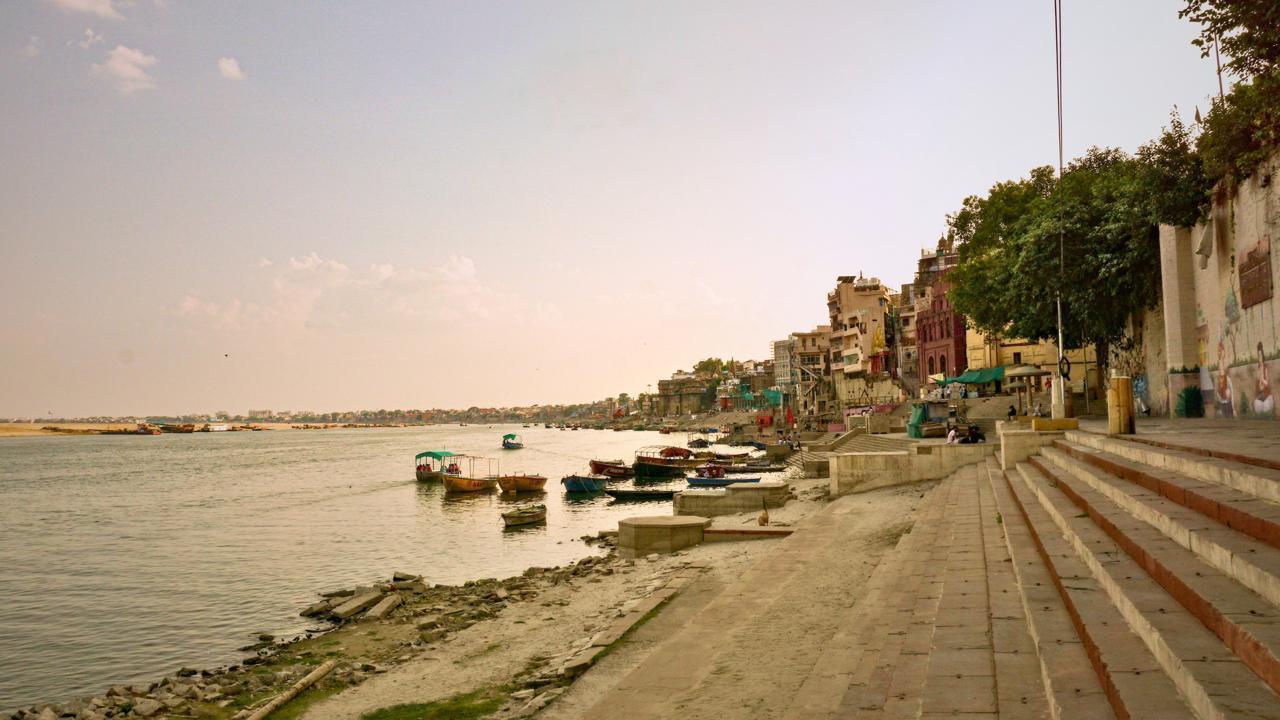
Every year, nearly 30 million people—a vibrant mix of pilgrims, tourists, and local residents—flow through the veins of Varanasi’s timeless streets. From the stone steps of the ghats where morning prayers rise with the mist to the sacred Kashi Vishwanath Temple that has stood as a spiritual beacon for centuries, the city’s urban landscape is a living mosaic of devotion, commerce, and culture. Yet these same streets, designed long before the automobile was imagined, are buckling under the pressure of modern life.
Varanasi’s pedestrian zones are often choked with a mixture of foot traffic, rickshaws, two-wheelers, and cars—turning the city’s vibrant charm into daily gridlock. For locals and visitors alike, navigating the ancient alleys can be a test of patience, safety, and endurance. The need for a 21st-century solution is urgent, yet the answer must honor the city’s 5,000-year-old soul.
That is where the AI-based Pedestrian Management System comes in—a technological intervention designed not to erase history but to protect it. Through the use of real-time surveillance, smart sensors, and predictive analytics, the system will continuously monitor footfall patterns, anticipate congestion, and adjust pedestrian and traffic flow accordingly. By using data to forecast potential bottlenecks before they occur, the system aims to reduce accidents, enhance walkability, and make every journey through the city smoother and safer.
Unlike conventional urban projects that often disrupt heritage sites, this initiative has been carefully crafted to work in harmony with Kashi’s ancient character. Visual clutter will be minimized, and the system’s digital infrastructure will be subtly integrated to ensure that the city’s spiritual and cultural essence remains untouched.
“This project is not just about managing traffic. It’s about preserving Kashi’s identity while making the city safer, more inclusive, and more livable for both its people and the millions who visit every year,” said a senior official from Varanasi Smart City Limited (VSCL), which is overseeing the project’s implementation.
The initiative is aligned with the Indian government’s Gati Shakti Master Plan and the Smart Cities Mission, both of which aim to usher in sustainable urban development across India’s rapidly growing cities. By placing pedestrians—rather than vehicles—at the center of city planning, Varanasi is embracing a global shift towards “walkable cities”, a movement gaining momentum worldwide as urban centers grapple with rising pollution, road fatalities, and deteriorating quality of life.
The stakes are high. In a world where urban living increasingly shapes well-being, safety, and economic opportunity, pedestrian-friendly cities offer enormous benefits. Studies have shown that cities designed around walkability boast lower pollution levels, healthier populations, stronger local economies, and higher quality of life.
For Varanasi, a city where small traders, artisans, and street vendors form the heartbeat of daily life, improved pedestrian safety could not only save lives but also revitalize the local economy. Safer streets mean more foot traffic, more commerce, and more opportunities for small businesses to thrive in an environment that has always been people-first.
The project also places a special emphasis on inclusivity. By improving navigation and safety for vulnerable groups—such as the elderly, women, children, and people with disabilities—the pedestrian management system seeks to create an urban space that is welcoming and accessible to all. In a city where daily life, spiritual practice, and commerce intersect so intimately, this focus on inclusivity carries deep social significance.
Environmental gains are expected as well. By reducing vehicle congestion in sensitive zones and encouraging more walking, the system could significantly lower air pollution in Varanasi’s densely packed heritage areas. Cleaner air around sacred sites, bustling markets, and riverside ghats would enhance the quality of life for residents and improve the visitor experience for tourists, who often come seeking not just history but a sense of peace and renewal.
Urban mobility experts point out that Varanasi’s move could serve as an inspiring model for other heritage cities—in India and beyond—that are struggling to balance the twin pressures of modernity and preservation. Cities like Jaipur, Udaipur, and Amritsar, each with their own rich history, could soon look to Kashi as a blueprint for how to embrace smart mobility without losing their soul.
For the people of Varanasi, this shift represents more than just a technological upgrade—it signals a reimagining of urban life in one of humanity’s oldest cities. As the project takes shape, the once-chaotic alleys where saints, poets, and seekers have walked for centuries could soon offer safer, healthier, and more organized passage without erasing the magic that has drawn visitors from every corner of the globe.
The significance of this moment is not lost on Varanasi’s residents. Many see the AI project as an opportunity to restore dignity to daily life, where sacred rituals, commerce, and community can flourish without being choked by modern congestion. It’s a vision where heritage and high-tech coexist, where centuries-old traditions meet the demands of a 21st-century world.
As millions continue to flock to this mystical city on the banks of the Ganga—seeking blessings, enlightenment, or simply a connection to something greater—they may soon find not only a timeless spiritual refuge but also a city where the past and the future walk hand in hand.
In Kashi, the journey through time is not ending—it is simply stepping into a new era, one carefully crafted with intelligence, reverence, and vision.
Kashi, Varanasi, India



Advances in Aerospace Technology and Commercial Aviation Recovery
Insights into breakthrough aerospace technologies and commercial aviation’s recovery amid 2025 chall

Defense Modernization and Strategic Spending Trends
Explore key trends in global defense modernization and strategic military spending shaping 2025 secu

Tens of Thousands Protest in Serbia on Anniversary of Deadly Roof Collapse
Tens of thousands in Novi Sad mark a year since a deadly station roof collapse that killed 16, prote

Canada PM Carney Apologizes to Trump Over Controversial Reagan Anti-Tariff Ad
Canadian PM Mark Carney apologized to President Trump over an Ontario anti-tariff ad quoting Reagan,

The ad that stirred a hornets nest, and made Canadian PM Carney say sorry to Trump
Canadian PM Mark Carney apologizes to US President Trump after a tariff-related ad causes diplomatic

Bengaluru-Mumbai Superfast Train Approved After 30-Year Wait
Railways approves new superfast train connecting Bengaluru and Mumbai, ending a 30-year demand, easi




