Post by : Amit
A Historic Step Toward a Greener Baltic Sea
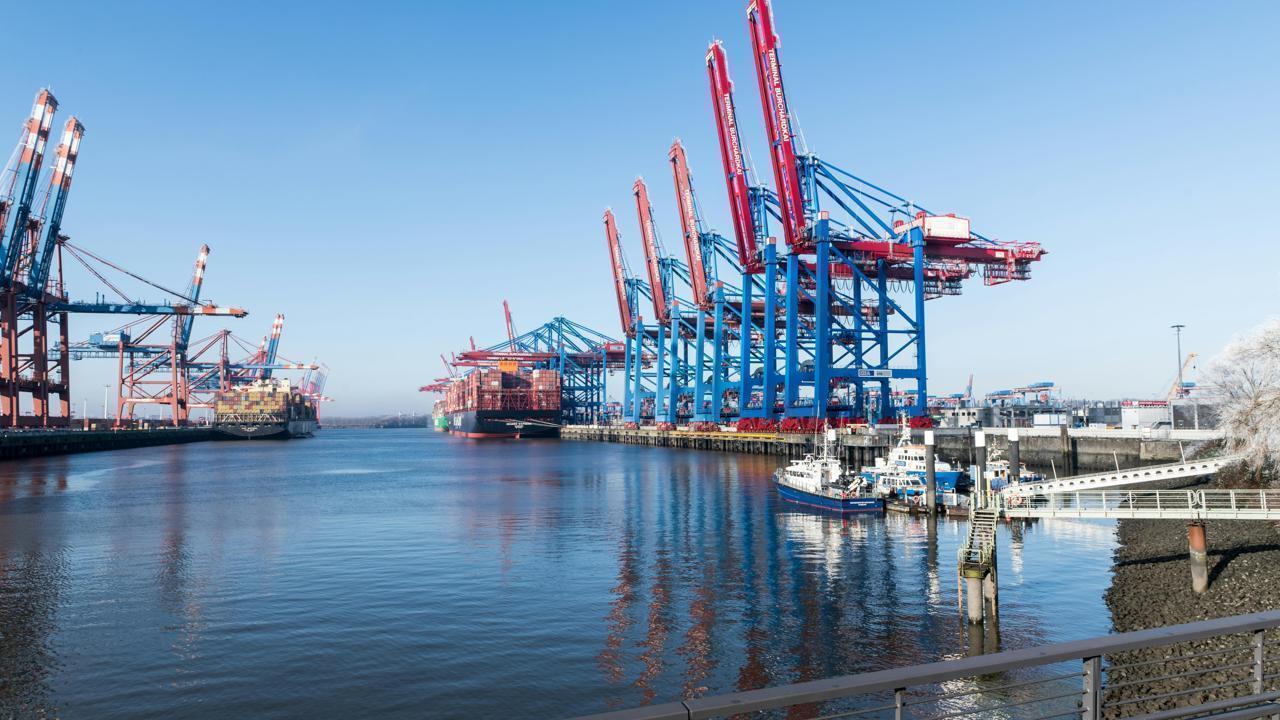
Lithuania’s Klaipeda Port has taken a groundbreaking leap in sustainable maritime infrastructure by launching construction of the Baltic region’s first green hydrogen production and refueling station. The project, which is being hailed as a landmark in the region’s clean energy transition, will serve both port operations and the broader transport sector. Once completed, it will help reduce greenhouse gas emissions, modernize port logistics, and position Klaipeda as a front-runner in Europe’s decarbonization race.
The announcement comes at a time when global ports are under pressure to cut their environmental footprint. With shipping accounting for nearly 3% of worldwide carbon emissions, maritime hubs like Klaipeda are becoming focal points for energy innovation. Lithuania’s only deep-water port, already a vital trade artery in the Baltic, is now setting its sights on becoming a green fuel leader for the region.
Green Hydrogen as the New Maritime Fuel
Green hydrogen—produced using renewable electricity through water electrolysis—has emerged as one of the most promising clean fuels for maritime and heavy-duty transport. Unlike traditional fuels, it emits no CO₂ when used, making it a key enabler for achieving net-zero shipping goals.
At Klaipeda, the station will generate hydrogen entirely from renewable energy sources, ensuring the project avoids fossil-based production pathways. The facility will provide fuel for a range of uses: hydrogen-powered port service vessels, heavy trucks transporting goods, and potentially even future fuel cell-powered ferries.
Port officials say the station’s modular design will allow production to scale up as demand grows. Initially, it will have the capacity to produce several hundred kilograms of hydrogen per day, enough to power multiple port operations without relying on diesel engines.
Strategic Importance for Lithuania and the Baltic
The green hydrogen station is more than just an environmental milestone—it is also a strategic move for Lithuania’s energy independence and competitiveness. Klaipeda is already home to a major liquefied natural gas (LNG) terminal, which has played a key role in reducing dependence on Russian energy imports. Now, with green hydrogen, the port is adding another layer to its energy diversification strategy.
By pioneering this infrastructure, Lithuania hopes to attract new shipping lines and logistics operators seeking low-carbon supply chain solutions. The Baltic Sea region, with its dense network of ports and short-sea shipping routes, is an ideal testing ground for hydrogen adoption in maritime transport. The project is also expected to influence neighboring countries, encouraging a coordinated approach to green fuel infrastructure.
Public and Private Collaboration Driving Progress
The hydrogen station project is being developed through a close partnership between Klaipeda State Seaport Authority, private technology providers, and renewable energy companies. Funding comes from both national resources and European Union programs aimed at decarbonizing transport.
Klaipeda’s Port Authority CEO, Algis Latakas, described the initiative as “a bold step that aligns with Lithuania’s climate goals and the EU’s Green Deal ambitions.” He emphasized that the port must “not only remain a key logistics hub but also become a leader in sustainable solutions.”
Construction is expected to move quickly, with the station targeted for operational readiness by late 2026. The EU’s Alternative Fuels Infrastructure Facility has identified the project as a model for replication across European ports.
Overcoming Challenges in Hydrogen Adoption
While green hydrogen holds enormous promise, industry experts caution that widespread adoption will require overcoming several hurdles. First is cost: producing hydrogen from renewable electricity remains significantly more expensive than conventional marine fuels. However, Klaipeda’s strategy to integrate hydrogen production directly with local renewable energy projects—such as offshore wind farms—could help reduce costs over time.
Second is demand. For the station to operate at full capacity, the port and surrounding transport ecosystem must transition significant parts of their fleets to hydrogen-compatible technologies. This means investment in hydrogen-powered service vessels, trucks, and potentially trains connecting the port to inland markets.
Lithuania’s Ministry of Energy has already signaled support, unveiling plans to incentivize hydrogen-ready equipment purchases through subsidies and tax breaks. These measures aim to ensure that supply and demand grow in parallel.
Environmental and Economic Payoffs
The environmental benefits of Klaipeda’s green hydrogen project are clear: reduced carbon emissions, improved air quality, and a significant cut in noise pollution from diesel engines. For the port community, this means healthier working conditions and a stronger reputation as an eco-friendly gateway for Baltic trade.
Economically, the project is expected to create new jobs in construction, operations, and maintenance. Hydrogen production also has the potential to attract related industries—such as hydrogen fuel cell manufacturing and maritime retrofitting services—to the Klaipeda region.
The Lithuanian government projects that by 2030, hydrogen could account for up to 5% of the country’s transport energy mix. The Klaipeda station is expected to be a major contributor toward meeting that goal.
Linking with Global Decarbonization Trends
The Klaipeda hydrogen station fits into a broader global pattern: major ports from Rotterdam to Singapore are now racing to install green fuel infrastructure. In Northern Europe, hydrogen is gaining traction not just for ships but also for trucks and trains, making ports like Klaipeda central nodes in emerging hydrogen corridors.
This shift is being driven by the International Maritime Organization’s stricter greenhouse gas reduction targets, which require at least a 20% cut in shipping emissions by 2030 compared to 2008 levels. By starting early, Klaipeda positions itself ahead of regulatory pressures, giving operators more time to adapt.
Connecting Sea and Land Transport Sectors
One of the most ambitious aspects of Klaipeda’s project is its dual focus on maritime and land transport. Hydrogen produced at the port will not be limited to ships—it will also supply heavy trucks and potentially buses in the city. This integration could turn Klaipeda into a model for “port-to-city” clean fuel ecosystems.
By establishing a hydrogen hub that serves multiple transport modes, Lithuania aims to maximize the station’s utility and speed up hydrogen adoption across sectors. Such a strategy not only improves return on investment but also builds public familiarity with hydrogen as a safe, everyday fuel.
Expansion and International Partnerships
While the initial focus is on meeting local demand, Klaipeda’s Port Authority has already hinted at expansion plans. Future phases could see increased production capacity, storage facilities for exporting hydrogen to other Baltic ports, and integration with green ammonia production for longer-range shipping.
International cooperation will be key. Klaipeda is in talks with ports in Sweden, Finland, and Germany to explore joint hydrogen corridors. These would enable hydrogen-powered vessels to operate seamlessly across the Baltic, re-fueling at multiple ports without reverting to fossil fuels.
A Turning Point for the Baltic Region
The groundbreaking ceremony for Klaipeda’s hydrogen station is more than just a ribbon-cutting—it represents a turning point for the Baltic Sea’s energy future. With climate change accelerating and maritime regulations tightening, ports that fail to adapt risk losing competitiveness. Klaipeda’s bold step puts it in the category of forward-thinking maritime hubs ready to lead the energy transition.
For Lithuania, the project also carries symbolic weight. It showcases the country’s ability to align environmental ambition with industrial growth—a message likely to resonate not just with Baltic neighbors, but with partners across Europe and beyond.
The Dawn of a New Maritime Era
As the first green hydrogen station in the Baltic takes shape, Klaipeda Port is sending a clear message: the era of fossil-fuel-dependent shipping is drawing to a close. By embracing hydrogen today, the port is not only investing in cleaner air and a healthier environment but also securing its role in the next generation of global trade.
If successful, Klaipeda’s project could inspire a wave of similar initiatives across the region, creating a network of green corridors that reshape how goods move between Europe’s northern shores. In an age where ports must be more than just transit points, Klaipeda is proving that innovation, sustainability, and economic growth can sail together toward the same horizon.
Green hydrogen, port infrastructure, Klaipeda Port hydrogen station



Advances in Aerospace Technology and Commercial Aviation Recovery
Insights into breakthrough aerospace technologies and commercial aviation’s recovery amid 2025 chall

Defense Modernization and Strategic Spending Trends
Explore key trends in global defense modernization and strategic military spending shaping 2025 secu

Tens of Thousands Protest in Serbia on Anniversary of Deadly Roof Collapse
Tens of thousands in Novi Sad mark a year since a deadly station roof collapse that killed 16, prote

Canada PM Carney Apologizes to Trump Over Controversial Reagan Anti-Tariff Ad
Canadian PM Mark Carney apologized to President Trump over an Ontario anti-tariff ad quoting Reagan,

The ad that stirred a hornets nest, and made Canadian PM Carney say sorry to Trump
Canadian PM Mark Carney apologizes to US President Trump after a tariff-related ad causes diplomatic

Bengaluru-Mumbai Superfast Train Approved After 30-Year Wait
Railways approves new superfast train connecting Bengaluru and Mumbai, ending a 30-year demand, easi




