Post by : Amit
KSRTC’s Premium Leap: Bengaluru’s New Era of Urban Bus Travel
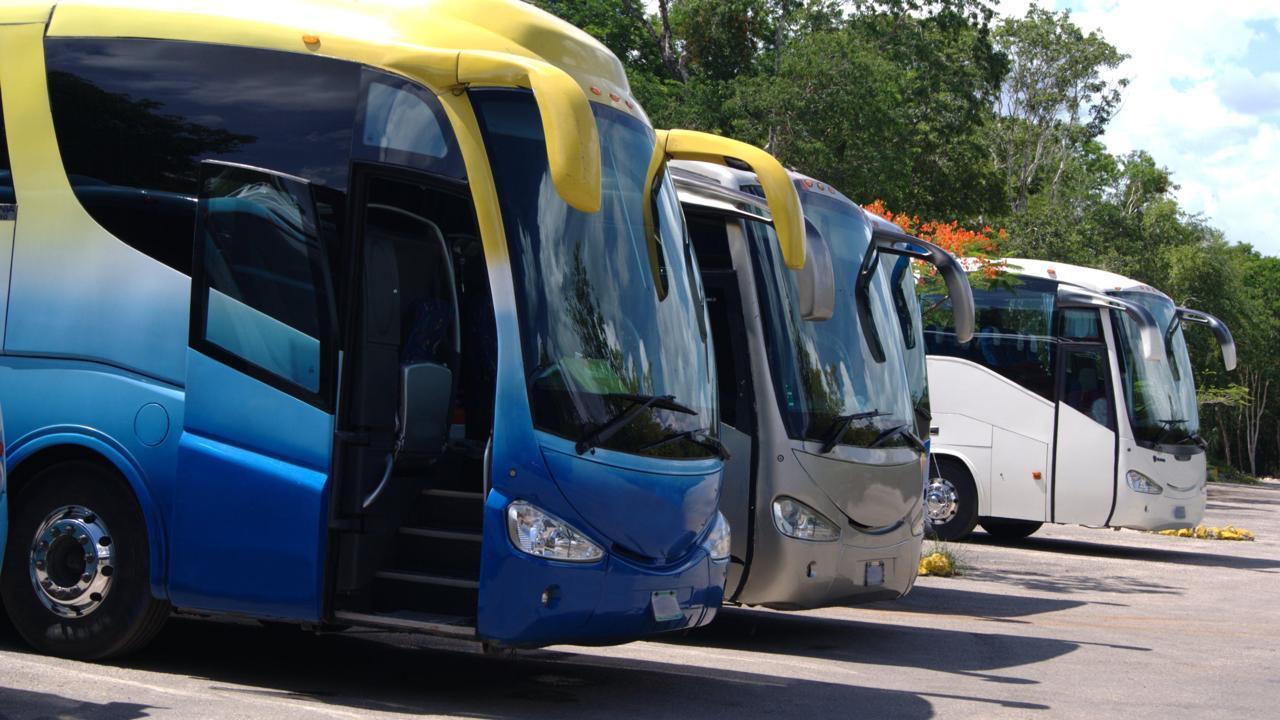
The Karnataka State Road Transport Corporation (KSRTC) has launched a fleet expansion that marks a strategic shift towards premium, comfort-oriented urban commuting. With Bengaluru at the center of the rollout, KSRTC’s latest additions are not just about more buses—they’re about reimagining how middle-class, tech-savvy, and comfort-seeking passengers engage with public transport.
These newly introduced premium buses—unveiled recently with much fanfare—come loaded with features that rival private taxis and app-based cabs. Air-conditioned interiors, plush pushback seats, surveillance systems, mobile charging ports, real-time location tracking, and contactless ticketing are just a few of the highlights.
This is not just another fleet expansion. This is KSRTC’s bid to recapture a vital market segment: daily commuters who have increasingly opted for private transport due to lack of comfort, reliability, and safety in state-run buses.
From Mass Transit to Class Transit: A Shift in Strategy
For years, KSRTC has been synonymous with long-distance bus travel. Its premium services like Airavat, Rajahamsa, and Ambaari have long been the preferred choice for intercity trips. However, the urban commuter—especially within Bengaluru—has often found KSRTC's services lacking in comfort and predictability.
This new initiative is a direct response to that criticism. With rising traffic congestion, fuel prices, and ride-hailing costs, there is a clear opportunity to win back city riders who want both affordability and comfort. KSRTC is hoping these buses will bridge the widening gap between ordinary public buses and expensive personal or private options.
Transport Minister Ramalinga Reddy, during the launch, emphasized the corporation's commitment to modernizing public transport. “We want public buses to be not just a necessity, but a choice people make willingly, for comfort and peace of mind,” he said.
Inside the Premium Experience: What’s New?
The premium fleet, currently being deployed in select urban and suburban corridors, includes buses that could easily pass off as private charters. With ventilated AC, low-floor entry, and ergonomic seating, these vehicles cater to a segment that KSRTC has long struggled to retain—office goers, tech professionals, and women commuters.
Features include:
KSRTC has also taken feedback from commuters in designing the new fleet. For instance, wider windows, better suspension, and ergonomic seat designs were added following a three-month trial and survey conducted in Bengaluru.
Filling the Comfort Gap Left by BMTC?
While the Bangalore Metropolitan Transport Corporation (BMTC) handles intra-city routes, KSRTC’s urban push has started raising eyebrows about a possible overlap. But officials from both corporations insist this is complementary, not competitive.
“BMTC will continue to dominate short-range city travel,” said a senior KSRTC officer. “Our focus is on peri-urban zones, long intra-city routes, and airport connectivity—areas that currently lack comfort options.”
One such example is the Bengaluru International Airport (BIAL) route, where the corporation has planned new luxury services. Currently, app-based cabs charge upwards of ₹1,000 for airport trips. KSRTC aims to offer a premium alternative at one-fourth the price, without compromising on comfort or safety.
Targeting Women and Professionals: A Safer, Smarter Ride
Women commuters, particularly in Bengaluru, have voiced concerns over safety and harassment in crowded buses and unreliable ride-sharing vehicles. The premium KSRTC fleet directly addresses these issues with on-board surveillance, women-only seating zones, and trained conductors.
KSRTC officials are also in talks with corporates and tech parks to facilitate subscription-based monthly passes, potentially turning these buses into employee shuttles for the IT sector.
This push is not just technological—it’s psychological. KSRTC wants to shift the public perception of government-run buses as “last resort” options into first-choice transport solutions for young professionals and female riders.
Sustainable Mobility at the Forefront
In line with Karnataka’s broader goals for green mobility, the premium fleet includes BS VI-compliant diesel buses, and plans are underway to convert part of the fleet to electric by mid-2026. A pilot program with five electric buses equipped with all premium features is already being tested on select routes in Electronic City and Yelahanka.
Transport experts say this is a critical moment for urban mobility in India. With rising pollution levels and climate change concerns, public transport must not only expand—but evolve sustainably. KSRTC’s fleet, if successfully scaled, could become a model for other Indian states, showing how premium services and eco-consciousness can coexist.
Ridership Response: Early Reviews Show Promise
While the program is still in its early days, ridership data has been encouraging. On select premium routes, occupancy has reached over 75% within the first two weeks, especially during peak office hours. Commuters have appreciated the “train-like discipline” of the buses—on-time arrivals, quieter interiors, and courteous staff.
Rashmi S., a software engineer who used the new service from Marathahalli to Jayanagar, said, “I used to dread my daily commute. But this feels like I’m flying economy class—clean, fast, and I can charge my phone while reading a book.”
These testimonials are already reshaping word-of-mouth momentum, which is crucial for a public transport brand trying to shed its outdated image.
From Pilot to Policy
KSRTC’s move ties into a larger trend seen across Indian cities. Premium public buses are making a comeback after years of low-budget focus. Cities like Pune, Ahmedabad, and Hyderabad have launched their own comfort-first bus programs with surprising success.
Urban planners argue that not every commuter wants the cheapest option—some are willing to pay more for time, safety, and predictability. If governments can offer premium options at mid-level pricing, ridership can shift dramatically from cars to buses, easing traffic and pollution alike.
KSRTC Managing Director Anbu Kumar noted, “Public transport doesn’t have to mean poor-quality rides. If we can provide a better experience than your personal car, people will make the switch voluntarily.”
Funding, Scaling, and Future
While the current rollout is funded through a mix of state subsidies and internal revenues, KSRTC is exploring private partnerships to scale quickly. Tie-ups with digital payment firms, auto manufacturers, and sustainability NGOs are on the cards.
The next big milestone will be the launch of an integrated app allowing bookings, pass renewals, GPS tracking, and feedback—all in one platform. KSRTC is also planning customizable services, where buses can adapt routes based on demand patterns using AI analytics.
By the end of FY 2025–26, the goal is to have over 500 premium buses operational across Karnataka, including dedicated women’s buses, airport express routes, and corporate shuttles.
An Urban Shift in Motion
KSRTC’s premium fleet signals a clear departure from past thinking. Public transport in India has long been framed as a basic right—but not always as a desirable lifestyle choice. That mindset is now shifting.
If the early signs are any indication, the people of Bengaluru—and Karnataka more broadly—are ready for this change. They don’t want to be stuck in endless traffic, burning fuel and patience. They want transit that is cleaner, smarter, and better suited to their urban lives.
Comfort, Class, and Connectivity—KSRTC Sets a New Standard
In a city where time is money, where comfort often trumps cost, and where sustainability is no longer optional, KSRTC has understood the assignment. By expanding its premium fleet, the corporation isn’t just adding buses—it’s offering a better urban experience.
If scaled with care, supported by technology, and embraced by commuters, this could very well mark the start of a public transport renaissance in Karnataka.
Because the future of travel isn’t just about moving people—it’s about moving them better.
KSRTC, Premium Buses, Urban Comfort Riders



Advances in Aerospace Technology and Commercial Aviation Recovery
Insights into breakthrough aerospace technologies and commercial aviation’s recovery amid 2025 chall

Defense Modernization and Strategic Spending Trends
Explore key trends in global defense modernization and strategic military spending shaping 2025 secu

Tens of Thousands Protest in Serbia on Anniversary of Deadly Roof Collapse
Tens of thousands in Novi Sad mark a year since a deadly station roof collapse that killed 16, prote

Canada PM Carney Apologizes to Trump Over Controversial Reagan Anti-Tariff Ad
Canadian PM Mark Carney apologized to President Trump over an Ontario anti-tariff ad quoting Reagan,

The ad that stirred a hornets nest, and made Canadian PM Carney say sorry to Trump
Canadian PM Mark Carney apologizes to US President Trump after a tariff-related ad causes diplomatic

Bengaluru-Mumbai Superfast Train Approved After 30-Year Wait
Railways approves new superfast train connecting Bengaluru and Mumbai, ending a 30-year demand, easi




