Post by : Amit
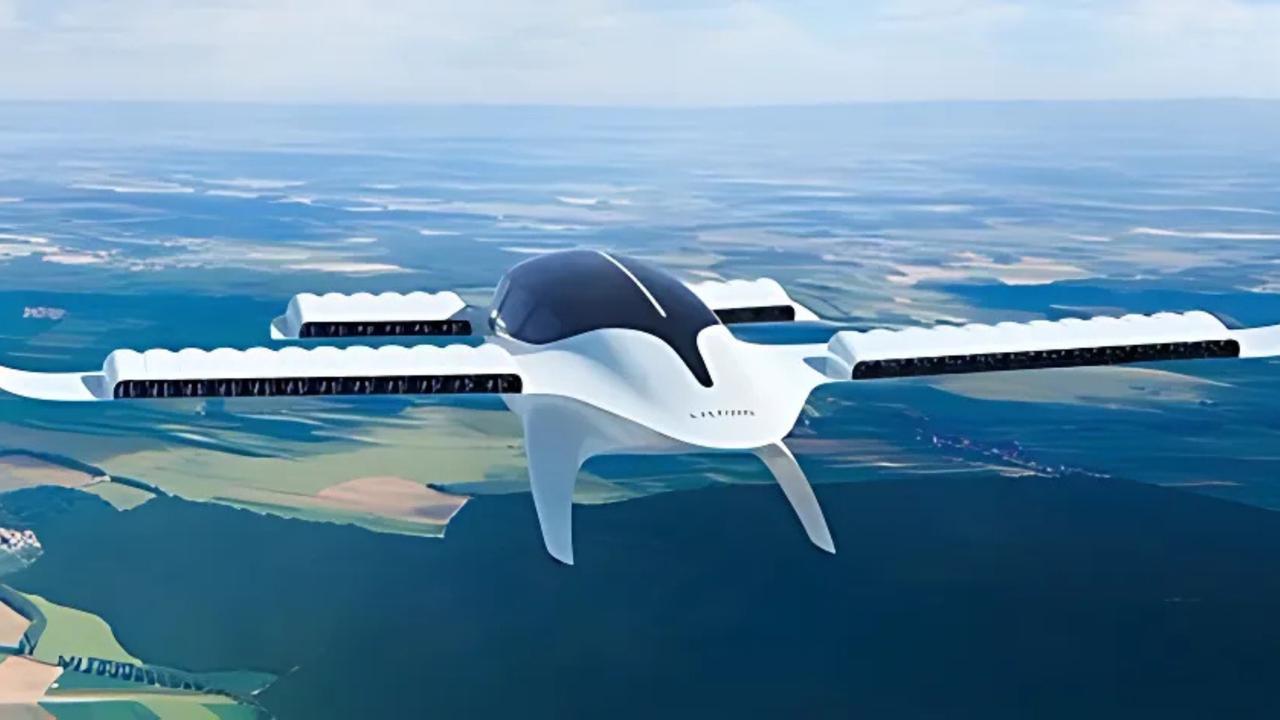
Photo : X / ch-aviation
A Pivotal Moment for Lilium’s Future
Lilium, the German electric air taxi developer once hailed as a frontrunner in advanced air mobility, has hit a major stumbling block. According to reports from Aviation Week, negotiations between Lilium’s administrator and key investors have run into a roadblock, casting new doubts on the company’s financial stability and ability to move forward with its ambitious vision of urban air transport. For Lilium, which has long championed its electric vertical takeoff and landing (eVTOL) jet as a transformative leap for aviation, this development comes at a critical juncture where funding is paramount.
Investor Uncertainty Derails Momentum
The setback stems from stalled talks with a major investor group, whose support was expected to be essential in helping Lilium through restructuring and its next stages of funding. The administrator overseeing the negotiations was tasked with reaching a settlement that could secure Lilium’s operations and pave the way for continued development. However, these efforts have now run into difficulties, signaling that investor appetite may be cooling. Industry watchers note that while advanced air mobility remains a sector of high interest, capital markets have become more cautious, particularly toward companies struggling with cash flow or extended timelines.
A Sector Under Pressure
The investor hesitation surrounding Lilium reflects wider pressures facing the eVTOL and advanced air mobility industry. Over the past five years, several startups have promised revolutionary electric aircraft, only to encounter regulatory, technological, and financial bottlenecks. Certification remains a long, costly road, with global regulators moving cautiously. At the same time, scaling production for new aerospace platforms requires immense capital—a challenge compounded by an environment of higher interest rates and investor skepticism. For Lilium, the lack of immediate clarity from its investor discussions adds to market unease, as competitors like Joby Aviation and Archer Aviation push ahead with their own certification milestones.
Administrator’s Role Under Spotlight
The administrator handling Lilium’s restructuring was expected to serve as a bridge between investors and company leadership, helping to shape a pathway toward financial stability. Their role was seen as a crucial safeguard for ensuring that negotiations were fair, transparent, and aligned with long-term growth. With talks now hitting a roadblock, analysts suggest that alternative funding models may need to be considered. This could include government-backed programs, strategic industrial partnerships, or additional equity offerings—each of which carries its own risks and complexities.
Technological Promise vs. Market Realities
Despite these financial uncertainties, Lilium continues to stress the technological potential of its eVTOL jet. The aircraft’s unique ducted fan design and claimed range of over 150 miles place it in a distinct category from competitors focused on shorter-distance urban hops. Advocates argue that this longer-range capability could open routes between cities, creating new regional air mobility markets. However, skeptics point out that innovation alone cannot shield Lilium from the market realities of certification delays, infrastructure needs, and investor patience. As one industry analyst noted, “The technology is bold, but aerospace history is filled with bold ideas that ran out of funding before they took off.”
Implications for Europe’s Air Mobility Ambitions
The outcome of Lilium’s investor negotiations carries broader implications for Europe’s standing in the global eVTOL race. While the U.S. has seen significant investment flows into startups like Joby and Archer, European ventures have faced greater challenges in raising capital. Lilium has been viewed as one of Europe’s best hopes for establishing leadership in advanced air mobility. Should its financial struggles persist, Europe’s role in shaping this next frontier of aviation could diminish, leaving the field more heavily dominated by U.S. and Asian companies.
Potential Pathways Forward
Although the immediate picture looks challenging, industry observers caution against writing off Lilium entirely. Companies in emerging aerospace sectors often face turbulent financial cycles before breakthroughs occur. If Lilium can secure new partners—possibly from traditional aerospace giants, energy firms, or infrastructure investors—it may still regain momentum. Furthermore, ongoing climate policies and the push for zero-emission transport could create fresh opportunities for eVTOL companies to secure government or EU-level backing. Yet, time remains a critical factor, as prolonged financial uncertainty could erode supplier confidence and delay certification milestones further.
A Defining Test for Electric Aviation
The stalled negotiations highlight just how fragile the road to electric aviation remains. While the promise of quiet, emission-free aircraft that can reduce urban congestion is compelling, delivering on this vision requires not only engineering excellence but also deep financial resilience. Lilium’s current predicament serves as a reminder that the race toward advanced air mobility is as much about boardroom negotiations and capital markets as it is about technology. The coming weeks may prove decisive, not only for Lilium but also for the trajectory of Europe’s role in shaping the skies of the future.
Aviaiton



Advances in Aerospace Technology and Commercial Aviation Recovery
Insights into breakthrough aerospace technologies and commercial aviation’s recovery amid 2025 chall

Defense Modernization and Strategic Spending Trends
Explore key trends in global defense modernization and strategic military spending shaping 2025 secu

Tens of Thousands Protest in Serbia on Anniversary of Deadly Roof Collapse
Tens of thousands in Novi Sad mark a year since a deadly station roof collapse that killed 16, prote

Canada PM Carney Apologizes to Trump Over Controversial Reagan Anti-Tariff Ad
Canadian PM Mark Carney apologized to President Trump over an Ontario anti-tariff ad quoting Reagan,

The ad that stirred a hornets nest, and made Canadian PM Carney say sorry to Trump
Canadian PM Mark Carney apologizes to US President Trump after a tariff-related ad causes diplomatic

Bengaluru-Mumbai Superfast Train Approved After 30-Year Wait
Railways approves new superfast train connecting Bengaluru and Mumbai, ending a 30-year demand, easi




