Post by : Amit
Photo : X / Royal Caribbean
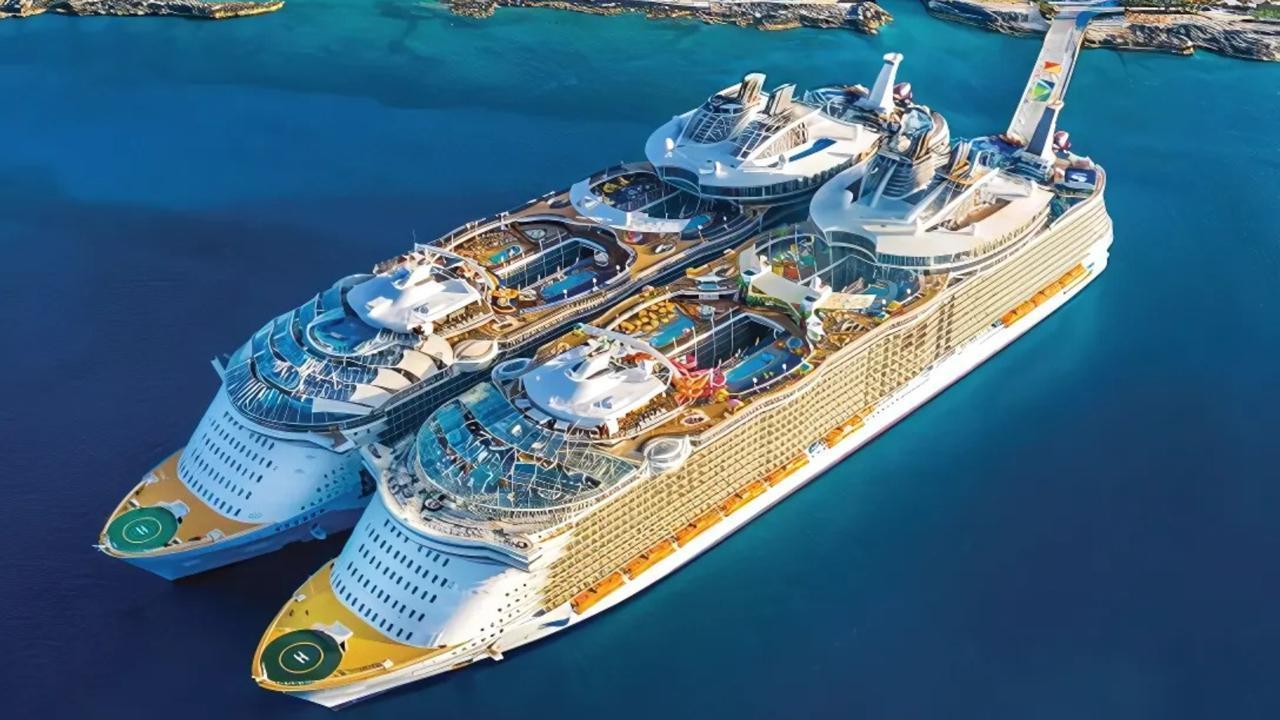
Royal Caribbean International has officially added the ‘Star of the Seas’—its latest LNG-fueled cruise ship—to its expanding fleet, reinforcing the company’s commitment to sustainability and next-generation marine engineering. The delivery of this cutting-edge vessel marks another milestone in the cruise industry’s ongoing transition towards cleaner fuels and reduced environmental impact.
Set to debut in August 2025, ‘Star of the Seas’ will operate from Port Canaveral, Florida, offering Caribbean itineraries while serving as a showcase of how advanced fuel technology can blend seamlessly with luxury travel experiences.
LNG Propulsion: Charting a Greener Course for Cruising
The ‘Star of the Seas’ is the latest addition to Royal Caribbean’s Icon Class—the company’s largest and most technologically advanced class of ships. At the heart of this new vessel is its liquefied natural gas (LNG) propulsion system, a cleaner alternative to conventional marine fuels.
LNG-powered ships produce up to 25% fewer CO₂ emissions, virtually eliminate sulfur oxide (SOx) emissions, and drastically reduce nitrogen oxide (NOx) and particulate matter, making them a key tool in the cruise industry’s push to meet global climate goals and International Maritime Organization (IMO) regulations.
Combining Sustainability with Passenger Luxury
Despite the focus on sustainability, Royal Caribbean has not compromised on the luxurious experience for which it is known. The ‘Star of the Seas’ is designed to host thousands of passengers, offering world-class amenities, entertainment, and dining while minimizing the vessel’s ecological footprint.
The ship incorporates:
These features reflect the company’s vision of making cruising cleaner, quieter, and more energy efficient, all while delivering unforgettable vacations.
A Milestone for the Icon Class
The Icon Class—to which the ‘Star of the Seas’ belongs—represents Royal Caribbean’s largest and most eco-conscious class of vessels. The first in the series, the ‘Icon of the Seas’, debuted earlier this year and received widespread attention for its innovative use of LNG and renewable technologies.
With each new addition to the class, Royal Caribbean strengthens its position as a leader in sustainable cruising, responding to growing consumer demand for travel options that minimize environmental impact.
LNG: The Future of Clean Cruising?
While LNG is not entirely carbon-free, it offers significant environmental benefits compared to traditional heavy fuel oils. It serves as a transition fuel—helping cruise lines immediately lower emissions while the industry works towards long-term solutions such as green hydrogen, biofuels, and ammonia.
Royal Caribbean’s investment in LNG infrastructure also prepares its fleet for future fuel flexibility, as many LNG engines are adaptable to burn alternative low- or zero-carbon fuels when they become commercially viable.
Meeting Global Emission Targets
The addition of the ‘Star of the Seas’ is aligned with Royal Caribbean Group’s Destination Net Zero strategy, which aims to achieve net-zero emissions by 2050. In the nearer term, the company is committed to delivering a net-zero cruise ship by 2035, with LNG vessels forming a vital stepping stone towards that goal.
As international regulations tighten, including new IMO carbon intensity targets and regional emission controls in Europe and North America, cruise operators face mounting pressure to decarbonize. The ‘Star of the Seas’ exemplifies how innovative design and fuel choices can help meet both environmental and commercial objectives.
Enhancing Operational Flexibility and Port Readiness
By deploying LNG-fueled vessels like the ‘Star of the Seas’, Royal Caribbean is also preparing for the future of green port operations. Many key cruise destinations and ports—including those in the Caribbean, Mediterranean, and Northern Europe—are investing heavily in LNG bunkering and shore power infrastructure, ensuring compatibility with next-generation ships.
The use of LNG enables the vessel to access more environmentally sensitive destinations while complying with strict local emission controls, broadening itinerary possibilities for the operator.
Industry-Wide Implications: Setting New Standards
The delivery of the ‘Star of the Seas’ signals a broader industry shift towards sustainable cruise tourism. With more operators following suit—such as Carnival Corporation, MSC Cruises, and Disney Cruise Line—LNG propulsion is fast becoming the new standard for large passenger vessels.
As consumer awareness of environmental sustainability grows, cruise lines that demonstrate leadership in green innovation are expected to gain a competitive edge, appealing to both regulators and eco-conscious travelers.
Towards Zero-Emission Cruising
The ‘Star of the Seas’ represents an important waypoint on the cruise sector’s journey towards zero-emission operations. While LNG offers immediate emissions reductions, the industry is actively researching and piloting next-generation fuels such as:
The continued evolution of ship design, propulsion systems, and energy management will ultimately shape the cruise industry’s ability to meet climate goals without sacrificing the guest experience.
A Star Shines in the Green Maritime Transition
With the successful delivery of the LNG-powered ‘Star of the Seas’, Royal Caribbean is once again proving that luxury travel and environmental responsibility can go hand in hand. By embracing cutting-edge fuel technology and sustainable design, the cruise giant not only enhances its fleet but also sets a compelling example for the broader shipping and tourism sectors.
As the world moves towards cleaner oceans and carbon-neutral travel, vessels like the ‘Star of the Seas’ shine as beacons of innovation, progress, and possibility.
Royal Caribbean



Advances in Aerospace Technology and Commercial Aviation Recovery
Insights into breakthrough aerospace technologies and commercial aviation’s recovery amid 2025 chall

Defense Modernization and Strategic Spending Trends
Explore key trends in global defense modernization and strategic military spending shaping 2025 secu

Tens of Thousands Protest in Serbia on Anniversary of Deadly Roof Collapse
Tens of thousands in Novi Sad mark a year since a deadly station roof collapse that killed 16, prote

Canada PM Carney Apologizes to Trump Over Controversial Reagan Anti-Tariff Ad
Canadian PM Mark Carney apologized to President Trump over an Ontario anti-tariff ad quoting Reagan,

The ad that stirred a hornets nest, and made Canadian PM Carney say sorry to Trump
Canadian PM Mark Carney apologizes to US President Trump after a tariff-related ad causes diplomatic

Bengaluru-Mumbai Superfast Train Approved After 30-Year Wait
Railways approves new superfast train connecting Bengaluru and Mumbai, ending a 30-year demand, easi




