Post by : Saif
Lockheed Martin, one of the world’s biggest defense companies, has received a new contract worth about $1.7 billion. This happened even though its most advanced fighter jet has faced years of criticism over cost, delays, and performance problems. The decision has once again raised serious questions about accountability, military spending, and how governments manage large defense projects.
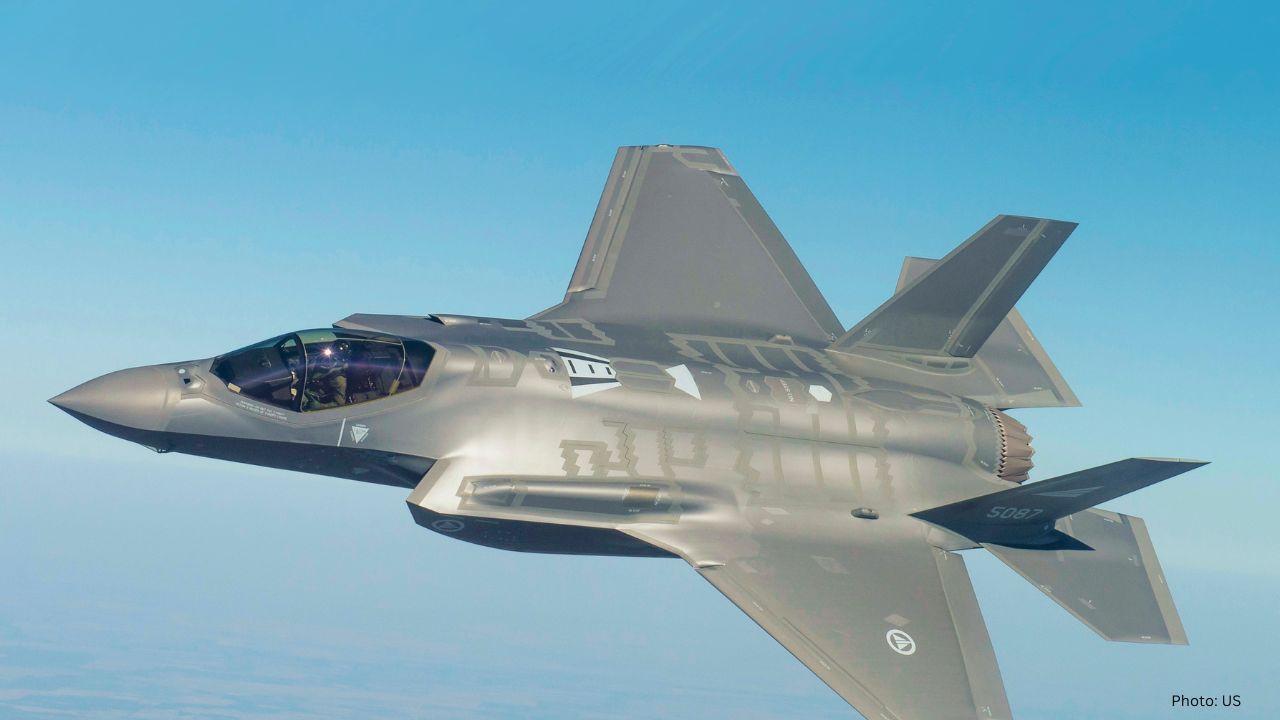
The fighter jet at the center of this debate is often described as the most advanced in the world. It is designed to avoid radar, share data with other military systems, and operate in modern combat environments. On paper, it looks powerful and futuristic. But in real use, the aircraft has struggled to meet many expectations.
Over the years, reports from pilots, defense experts, and government watchdogs have pointed out several issues. These include maintenance difficulties, software problems, limited readiness rates, and very high operating costs. In some cases, jets were unable to fly because spare parts were missing or repairs took too long. Critics argue that an advanced jet is not truly effective if it cannot be kept ready for missions.
Despite these problems, Lockheed continues to receive large contracts. The latest $1.7 billion deal is meant to support production, upgrades, and sustainment of the fighter jet fleet. Supporters of the program say the aircraft is still improving and that long-term investments are necessary to fix earlier design flaws. They also argue that stopping or slowing the program would harm national security and cost even more money in the future.
However, many experts remain unconvinced. They point out that the jet has been under development for decades and has already cost taxpayers hundreds of billions of dollars. Each new contract, they say, rewards poor performance and removes pressure on the manufacturer to deliver better results. Some critics believe the government has become too dependent on a single company and has little choice but to keep paying.
Another concern is transparency. While officials often promise improvements, clear timelines and measurable results are not always shared with the public. This makes it difficult for taxpayers to understand whether their money is being used wisely. When a project is labeled as “too big to fail,” it can escape proper scrutiny.
The situation also affects allied countries. Many nations have bought the same fighter jet and face similar problems. Some have reported lower availability rates and higher maintenance costs than expected. These countries depend on the manufacturer and the original buyer to fix issues, leaving them with limited control.
Supporters of Lockheed argue that building advanced military aircraft is extremely complex. They say no modern fighter jet program is free from problems and that improvements take time. They also stress that the jet still offers unique capabilities that other aircraft do not have.
Still, the core question remains: should companies continue to receive massive payments when promised performance is not fully delivered? For many observers, the answer is not clear-cut. National defense is important, but so is responsible spending.
The $1.7 billion contract shows how difficult it is to balance security needs with financial discipline. It also highlights the need for stronger oversight, clearer goals, and real consequences when expectations are not met.
As governments continue to invest in advanced weapons, citizens will likely keep asking tough questions. Technology alone does not guarantee strength. True strength comes from systems that work as promised, on time, and at a fair cost.
#trending #latest #DefenseSpending #LockheedMartin #FighterJets #MilitaryTechnology #Accountability #AviationNews #GlobalSecurity



Advances in Aerospace Technology and Commercial Aviation Recovery
Insights into breakthrough aerospace technologies and commercial aviation’s recovery amid 2025 chall

Defense Modernization and Strategic Spending Trends
Explore key trends in global defense modernization and strategic military spending shaping 2025 secu

Tens of Thousands Protest in Serbia on Anniversary of Deadly Roof Collapse
Tens of thousands in Novi Sad mark a year since a deadly station roof collapse that killed 16, prote

Canada PM Carney Apologizes to Trump Over Controversial Reagan Anti-Tariff Ad
Canadian PM Mark Carney apologized to President Trump over an Ontario anti-tariff ad quoting Reagan,

The ad that stirred a hornets nest, and made Canadian PM Carney say sorry to Trump
Canadian PM Mark Carney apologizes to US President Trump after a tariff-related ad causes diplomatic

Bengaluru-Mumbai Superfast Train Approved After 30-Year Wait
Railways approves new superfast train connecting Bengaluru and Mumbai, ending a 30-year demand, easi




