Post by : Amit
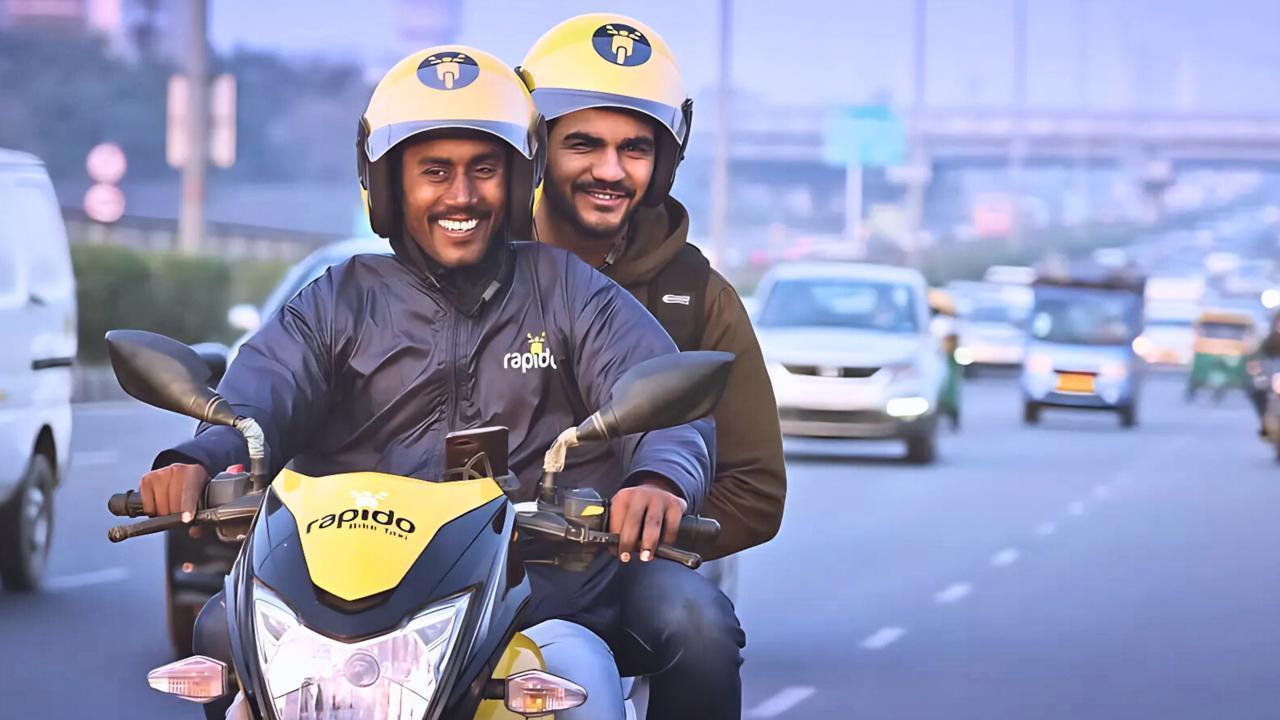
Photo: Facebook / Rapido-Bike Taxi Job Offering
Mumbai’s Urban Transport Debate Heats Up as Minister’s Roadside Intervention Sparks Policy Conversation Nationwide
In a bold and unprecedented move, Maharashtra’s newly appointed Transport Minister, Pratap Sarnaik, physically stopped and seized a Rapido bike-taxi operating illegally in Mumbai, marking a decisive turning point in the state’s transport regulation enforcement. The act—caught on video and widely circulated—has triggered widespread public discourse about the legality, utility, and future of app-based bike-taxi services in India’s largest cities.
The incident occurred earlier this week when Sarnaik, traveling along Mumbai’s Western Express Highway, noticed a two-wheeler branded with Rapido livery carrying a pillion passenger. Recognizing the operation as a violation of current Maharashtra transport regulations, he instructed his convoy and security staff to intercept the bike, confronting the driver and ordering the vehicle to be seized by local traffic police on the spot.
A Minister Who Takes the Road (and the Law) Into His Own Hands
Sarnaik’s action is symbolic of a renewed focus on enforcing urban mobility rules amid rising concerns over regulatory gaps, unauthorized operations, and growing safety hazards caused by unregulated ride-hailing services.
Addressing the media after the incident, Minister Sarnaik said:
“There are clear rules that prohibit the operation of commercial bike-taxis like Rapido in Mumbai under current laws. These illegal operators bypass licensing, safety norms, and taxes, compromising public safety. Enforcement is not optional—it is necessary.”
The Transport Department followed up with a citywide directive to traffic officers to identify and stop illegal bike-taxis. Several vehicles were impounded in Andheri, Goregaon, and Kurla within 24 hours of the minister’s public stance, indicating that a large-scale crackdown may be imminent.
India’s Bike-Taxi Boom vs Maharashtra’s Regulatory Vacuum
App-based bike-taxi platforms like Rapido, Ola Bike, and UberMoto have surged in popularity across Indian cities by offering cheap, fast, and convenient mobility solutions. They cater to commuters seeking affordable transport, especially for short trips and last-mile connectivity—a major concern in metro cities like Mumbai where public transport is overburdened.
However, unlike other states such as Karnataka, Telangana, and Delhi, which have enacted provisional or full regulations for bike-taxis, Maharashtra has not legalized commercial operations of two-wheelers for passenger use under the Motor Vehicles Act.
The Bombay High Court ruled in February 2024 that bike-taxi operations are illegal in Maharashtra until the state government issues official guidelines. The court directed companies like Rapido to cease operations until clarity is provided.
Despite this legal injunction, enforcement has been inconsistent, with thousands of Rapido rides being booked every day in Mumbai, especially in suburbs like Thane, Andheri, and Navi Mumbai.
Ground Reality: Demand, Dependence & Legal Loopholes
While the law stands against them, the market dynamics and public demand favor the bike-taxis. With Mumbai’s over-crowded trains, delayed buses, and unpredictable weather, commuters often turn to two-wheelers for faster point-to-point travel.
“Bike-taxis help me reach work on time and cost half of what cabs or autos charge,” said Amrita Shah, a college student in Dadar. “If they're not legal, the government should at least create a safe and regulated way to use them.”
For drivers too, Rapido and similar platforms offer a lifeline.
“After losing my job in a textile mill, I joined Rapido. I earn ₹800–₹1,000 a day—enough to feed my family,” said Rajesh Pawar, a Rapido rider in Andheri East. “Now, with this crackdown, I fear I’ll lose my only income source.”
Taxi & Auto Unions: Supporters of the Crackdown
While riders and commuters express concern, traditional transport unions are cheering the crackdown. Auto and taxi drivers have long accused bike-taxi platforms of operating without permits, undercutting regulated fares, and bypassing mandatory taxes that licensed operators must pay.
Mahadev Patil, leader of Mumbai Autorickshaw Union, stated:
“We welcome the minister’s action. These bike-taxis are illegal and are hurting the livelihood of thousands of legal auto and taxi drivers. We demand full enforcement and total ban until proper policy is in place.”
Unions argue that two-wheelers were never intended for public transport and that their use as taxis violates core principles of the Motor Vehicles Act, particularly around passenger safety and third-party insurance.
Experts Call for Progressive Policy, Not Penalization
Urban transport researchers and policy advocates argue that banning bike-taxis is not a sustainable solution, especially when cities are growing, traffic is worsening, and public transit remains overburdened.
Dr. Aparna Raghavan, senior researcher at Mumbai Mobility Observatory, said:
“Bike-taxis solve real urban challenges: last-mile connectivity, affordability, and traffic decongestion. Banning them doesn’t solve the problem—it pushes it underground. What’s needed is a clear regulatory framework.”
Key recommendations from experts include:
A Policy Shift on the Horizon?
Minister Sarnaik has acknowledged the complexity of the situation and hinted that policy reforms are on the way. The state government has constituted a committee to review:
“We are not against technology or new business models,” Sarnaik said. “But innovation cannot come at the cost of safety or legality. We will soon bring clarity through appropriate legislation.”
Mumbai’s Urban Transport Dilemma: The Bigger Picture
This incident has spotlighted a broader issue: how Indian cities are struggling to catch up with new-age mobility models—from bike-taxis and e-rickshaws to ride-sharing and micro-mobility platforms.
Most of these services exist in legal limbo, operating in loopholes while citizens and drivers navigate uncertainties. Without strong laws that balance innovation with compliance, cities risk losing the benefits of tech-driven transport solutions.
“They’re quick, cheap, and reliable. Fix the laws, don’t penalize commuters.”
“In emergencies, bike-taxis reach places faster than ambulances or cars.”
Against Bike-Taxis
“No safety! No helmets! No insurance! They shouldn’t be allowed until rules are in place.”
“They take away the earnings of legal drivers.”
Social media has also exploded with hashtags like #LegalizeRapido, #MobilityForAll, and #SafeStreetsFirst, reflecting a divided yet engaged public.
The Crackdown May Just Be the Beginning
Minister Sarnaik’s hands-on intervention may have stopped one bike-taxi, but it has unleashed a much larger debate on the future of mobility in India’s megacities. With thousands relying on services like Rapido, and a growing gig economy built around them, the government now faces the challenge of balancing innovation, safety, employment, and legality.
The next few months could shape Maharashtra’s transport legacy for years to come—either through comprehensive reform or further confrontation.
Until then, the roads remain tense, the rides uncertain, and the policy clock ticking.
Rapido, Maharashtra



Advances in Aerospace Technology and Commercial Aviation Recovery
Insights into breakthrough aerospace technologies and commercial aviation’s recovery amid 2025 chall

Defense Modernization and Strategic Spending Trends
Explore key trends in global defense modernization and strategic military spending shaping 2025 secu

Tens of Thousands Protest in Serbia on Anniversary of Deadly Roof Collapse
Tens of thousands in Novi Sad mark a year since a deadly station roof collapse that killed 16, prote

Canada PM Carney Apologizes to Trump Over Controversial Reagan Anti-Tariff Ad
Canadian PM Mark Carney apologized to President Trump over an Ontario anti-tariff ad quoting Reagan,

The ad that stirred a hornets nest, and made Canadian PM Carney say sorry to Trump
Canadian PM Mark Carney apologizes to US President Trump after a tariff-related ad causes diplomatic

Bengaluru-Mumbai Superfast Train Approved After 30-Year Wait
Railways approves new superfast train connecting Bengaluru and Mumbai, ending a 30-year demand, easi




