Post by : Amit
The state government of Meghalaya has approved a comprehensive State Parking Policy designed to alleviate worsening traffic congestion in its urban centers. The new policy, coupled with significant amendments to the decades-old Medical Attendance Rules, reflects the government’s push for smarter infrastructure and better public services.
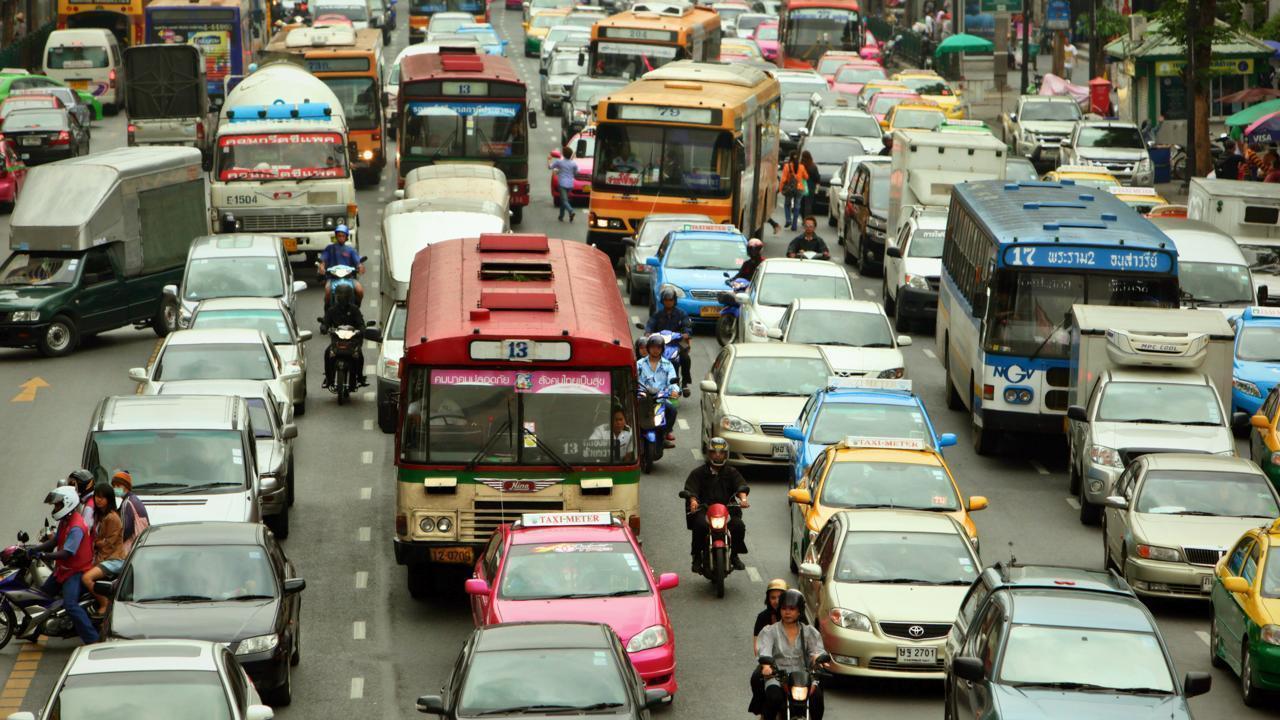
Announcing the decisions after a recent cabinet meeting, Meghalaya’s Chief Minister Conrad K. Sangma said that the parking policy is a much-needed step to address one of the most visible and frustrating challenges facing the state's cities—severe traffic gridlock caused by unregulated roadside parking and a growing number of vehicles.
A Roadmap to Urban Mobility Transformation
The new parking policy focuses on three key pillars: regulating existing parking spaces, developing multi-level parking infrastructures, and introducing smart parking solutions across commercial and residential zones. Cities like Shillong and Tura, long plagued by narrow streets and chaotic parking practices, are expected to benefit significantly once these changes are in place.
“Our cities have been grappling with congestion for too long. This policy is aimed at bringing structure and order to urban traffic, improving the daily commuting experience for citizens,” Chief Minister Sangma said. He emphasized that proper parking management is not just about traffic flow but also about enhancing pedestrian safety and overall urban quality of life.
For years, Meghalaya’s urban centers have struggled with double parking, illegal roadside halts, and gridlocked intersections, made worse by the rapid rise in private vehicle ownership. The policy sets clear guidelines on parking pricing, enforcement mechanisms, and encourages private sector participation in building and managing parking infrastructure.
In addition, the government is looking to incorporate smart city technologies such as real-time parking availability apps, automated payment systems, and integration with public transportation networks to modernize urban mobility.
Healthcare Reforms for Government Employees
Alongside the traffic reforms, the Meghalaya cabinet also approved critical amendments to the Assam Medical Attendance Rules of 1948, which govern the medical reimbursement process for state government employees. The outdated system had long been criticized for bureaucratic delays and complex procedures, often leaving employees struggling to access timely medical benefits.
The updated rules are designed to streamline medical reimbursement processes and improve healthcare access for thousands of government workers and their families. The reforms aim to provide faster claim settlements, greater clarity on eligibility, and enhanced transparency in medical expense coverage.
A Broader Vision for Better Governance
Chief Minister Sangma highlighted that these twin decisions—urban mobility reform and improved healthcare benefits—reflect Meghalaya’s broader vision of progressive governance that meets the evolving needs of its citizens. With rapid urbanization on the rise, there is growing recognition that traffic congestion, poor urban planning, and outdated administrative rules can significantly hamper economic growth, public well-being, and governance efficiency.
Experts have lauded the Meghalaya government’s move, calling it a much-needed intervention that could set a precedent for other small but fast-growing Indian states facing similar urban challenges. Effective parking policies are often a cornerstone of sustainable urban development, as they help reduce pollution, travel delays, and even stimulate economic activity by making commercial areas more accessible.
Implementation and Public Response
The success of Meghalaya’s new parking policy, however, will hinge on effective on-the-ground implementation, including public awareness, strong enforcement, and investment in supporting infrastructure. As the state prepares to roll out these reforms, urban planners, local authorities, and citizens will be watching closely to see whether these policies can finally turn the tide on the state’s chronic traffic chaos.
The combined focus on urban mobility and healthcare reform marks a progressive chapter for Meghalaya—one where governance adapts proactively to the demands of a changing society, laying the groundwork for smarter, healthier, and more livable cities.
government,Policy



Advances in Aerospace Technology and Commercial Aviation Recovery
Insights into breakthrough aerospace technologies and commercial aviation’s recovery amid 2025 chall

Defense Modernization and Strategic Spending Trends
Explore key trends in global defense modernization and strategic military spending shaping 2025 secu

Tens of Thousands Protest in Serbia on Anniversary of Deadly Roof Collapse
Tens of thousands in Novi Sad mark a year since a deadly station roof collapse that killed 16, prote

Canada PM Carney Apologizes to Trump Over Controversial Reagan Anti-Tariff Ad
Canadian PM Mark Carney apologized to President Trump over an Ontario anti-tariff ad quoting Reagan,

The ad that stirred a hornets nest, and made Canadian PM Carney say sorry to Trump
Canadian PM Mark Carney apologizes to US President Trump after a tariff-related ad causes diplomatic

Bengaluru-Mumbai Superfast Train Approved After 30-Year Wait
Railways approves new superfast train connecting Bengaluru and Mumbai, ending a 30-year demand, easi




