Post by : Amit
In a decisive move to modernize one of the world’s busiest urban transit networks, Mexico City has entered into a groundbreaking $3 billion public-private partnership (PPP) aimed at overhauling its transportation infrastructure over the next five years. The ambitious initiative marks one of the most significant investments in urban mobility in Latin America in recent years.
Under the new agreement, the city government will collaborate with a consortium of private operators to implement sweeping upgrades across three critical transit domains: the Bus Rapid Transit (BRT) network, metro signaling systems, and non-motorized transport infrastructure such as bicycle lanes and pedestrian walkways.
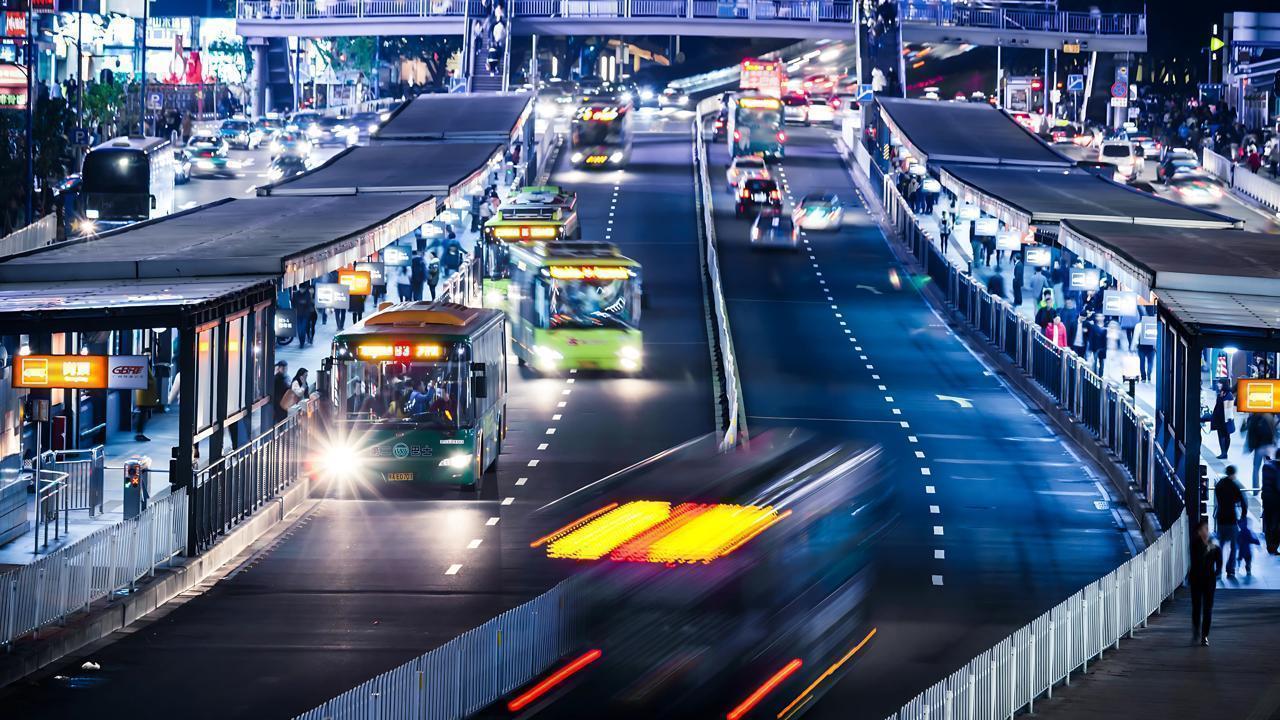
The investment will target long-overdue improvements in efficiency, safety, and sustainability. The BRT system, which serves millions of commuters daily, is set to receive new high-capacity buses, expanded corridors, and smart ticketing integration. Meanwhile, the aging signaling systems of the city’s metro—many of which date back decades—will undergo a comprehensive technological upgrade to reduce delays, enhance safety, and increase frequency.
In a notable shift toward sustainable urban planning, the PPP will also fund the development of non-motorized transport options. City planners aim to expand protected cycling networks, improve pedestrian infrastructure, and increase last-mile connectivity, especially in underserved neighborhoods.
Speaking at the announcement ceremony, Mexico City Mayor Martí Batres lauded the partnership as a “historic step forward” for the capital’s mobility future. “This collaboration is not just about infrastructure,” he stated, “but about rethinking how our city moves—more efficiently, more inclusively, and more sustainably.”
He emphasized that the PPP model would leverage private sector innovation and efficiency while maintaining strong public oversight to ensure transparency and equitable access to all residents.
Analysts expect the initiative to generate thousands of jobs during construction and operations, while also significantly reducing the city’s carbon emissions. With transportation accounting for over 30% of Mexico City’s greenhouse gas output, the shift toward low-emission mobility is seen as critical for the city's climate goals.
Private partners have pledged to implement electric and hybrid technologies in the new BRT fleets and integrate solar-powered infrastructure into new facilities where feasible.
Urban mobility experts suggest the project could serve as a model for other megacities in the region facing similar infrastructure and environmental challenges. By combining public ambition with private sector execution, Mexico City is aiming to lead the way in modernizing transport in the Global South.
The first phases of construction are expected to begin by the end of 2025, with major milestones projected for late 2027. The city has promised quarterly progress updates and a robust system of public feedback throughout the project’s lifecycle.
Mexico City's $3 billion PPP deal is more than a transit upgrade—it's a strategic leap toward a cleaner, smarter, and more connected urban future.
Mexico



Advances in Aerospace Technology and Commercial Aviation Recovery
Insights into breakthrough aerospace technologies and commercial aviation’s recovery amid 2025 chall

Defense Modernization and Strategic Spending Trends
Explore key trends in global defense modernization and strategic military spending shaping 2025 secu

Tens of Thousands Protest in Serbia on Anniversary of Deadly Roof Collapse
Tens of thousands in Novi Sad mark a year since a deadly station roof collapse that killed 16, prote

Canada PM Carney Apologizes to Trump Over Controversial Reagan Anti-Tariff Ad
Canadian PM Mark Carney apologized to President Trump over an Ontario anti-tariff ad quoting Reagan,

The ad that stirred a hornets nest, and made Canadian PM Carney say sorry to Trump
Canadian PM Mark Carney apologizes to US President Trump after a tariff-related ad causes diplomatic

Bengaluru-Mumbai Superfast Train Approved After 30-Year Wait
Railways approves new superfast train connecting Bengaluru and Mumbai, ending a 30-year demand, easi




